

Pencegahan & Deteksi Dini Penyakit
15 Causes of a Lump Near the Ear You Shouldn’t Ignore!

Written By
Admin TzuChi • 22 November 2026
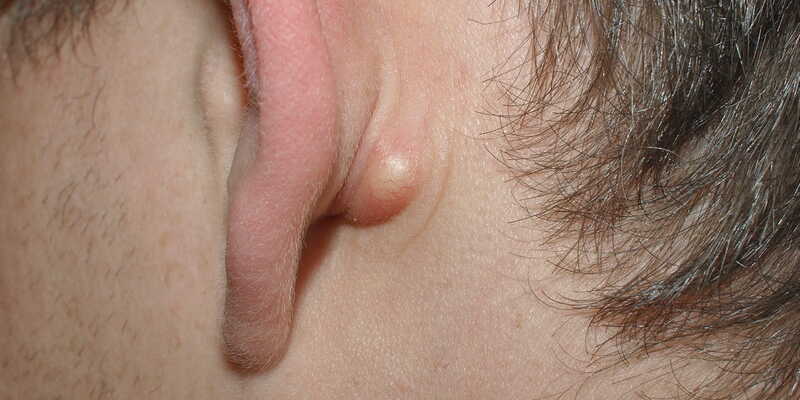
A lump behind the ear often results from swollen lymph nodes, a minor skin or ear infection, or a small, harmless cyst.
Although it may seem insignificant, it can provide clues about your overall health.
Wondering what else can cause a lump behind the ear and whether it could be dangerous? Read on to understand the possible causes and treatment options before drawing your own conclusions.
Causes of a Lump Behind the Ear
Lump behind the ear
Illustration of a small sebaceous cyst behind the ear | Source: Deherba
Lumps behind the ear can vary in size and texture. Some are soft, movable, and painless, while others feel hard like bone and hurt when pressed.
Various conditions can cause a lump in this area. In a retrospective study involving 52 patients, masses behind the ear were classified as neoplastic (28.8%), inflammatory (25%), congenital (42.3%), and traumatic (3.8%). A thorough medical assessment is therefore needed to determine the exact cause.
Here are 15 possible causes to know about:
1. Swollen Lymph Nodes (Lymphadenopathy)
A lump behind the ear is often caused by lymph nodes swelling in response to an infection. However, cysts, tumors, and other skin conditions can also cause lumps in this area.
Lymph nodes around the ears and neck may swell when the immune system fights infections such as a cold, influenza, a throat infection, or an ear infection.
This swelling can occur in babies and young children, including two-year-olds. The lump is generally soft, movable, and sometimes tender to the touch.
2. Acute Otitis Media
Acute otitis media is a middle ear infection that often causes fluid buildup and pressure behind the eardrum.
The infection may cause nearby lymph nodes to swell, creating a tender lump behind the affected right or left ear.
3. Mastoiditis
Mastoiditis is a serious bacterial infection of the mastoid bone, located behind the ear. It usually develops as a complication of an untreated middle ear infection.
Symptoms may include a very painful swelling behind the ear that feels firm, along with redness and fever.
4. Abscess
An abscess is a collection of pus—a thick fluid—that forms as the body responds to a localized bacterial infection.
An abscess behind the ear may feel warm, swollen, and painful when pressed. A large abscess may require drainage.
5. Lipoma
A lipoma is a benign, noncancerous growth of fatty tissue. It develops beneath the skin and usually feels soft, movable, and rubbery.
It can cause a painless lump around the ear, including behind either the right or left ear.
6. Sebaceous Cyst
A sebaceous cyst is a noncancerous cyst associated with a blocked oil gland and may contain sebum and keratin.
It is generally movable beneath the skin and may cause a painless lump around the ear. If it becomes inflamed or infected, it may become painful.
7. Epidermoid Cyst
An epidermoid cyst is a noncancerous sac beneath the skin, often filled with thick, yellowish keratin.
It may feel firm and resemble a hard lump behind the ear.
8. Nodular or Cystic Acne
This is a severe form of inflammatory acne that develops deep beneath the skin. These lesions are larger and firmer than ordinary pimples.
They may cause a red, swollen lump around the ear that hurts when pressed.
9. Boil (Furuncle)
A boil is a bacterial infection involving a hair follicle.
It begins as a small, red, painful lump around the ear, then grows larger and fills with pus.
10. Keloid
A keloid is an excessive, raised growth of scar tissue that usually develops after an injury or trauma, such as an ear piercing.
It may feel firm and appear darker than the surrounding skin. Keloids around the ear are often painless unless irritated.
11. Benign Tumors of the Ear or Salivary Gland
Noncancerous growths, such as osteomas or fibromas, may develop around the ear. Tumors can also arise in the nearby parotid salivary gland.
Some of these growths may feel hard like bone.
12. Cancer (Nasopharyngeal Cancer or Lymphoma)
Although uncommon, a lump that does not disappear, keeps growing, feels very hard, has an irregular shape, or is difficult to move requires assessment for possible malignancy.
Nasopharyngeal cancer or lymphoma can cause lymph node enlargement around the ear and neck.
13. Viral Infections (Mononucleosis, Measles, or Rubella)
Systemic viral infections, such as mononucleosis, measles, and rubella, may cause widespread lymph node enlargement.
This can include swelling behind either ear, accompanied by fever and other symptoms.
14. Scalp Infections, Such as Folliculitis
An infection of the hair follicles on the scalp near the ear can cause inflammation and small lumps behind the ear.
These may feel itchy or painful.
15. Local Trauma or Injury
A lump around the ear may also result from swelling after a bump, insect bite, or another injury.
Trauma-related swelling may be accompanied by bruising and generally improves over time.
How to Treat a Lump Behind the Ear
Treatment depends on the underlying cause. After establishing a diagnosis, a doctor will recommend the most appropriate approach.
Common treatment options include the following:
1. Topical Treatment
Topical treatment may be recommended for certain minor skin conditions, such as acne, boils, or infections involving hair follicles.
Treatment may include:
- Antibiotic creams or ointments: Used for appropriate localized bacterial skin infections.
- Warm compresses: May help relieve pain and swelling and encourage small boils or abscesses to drain.
- Acne medication: Topical products containing active ingredients used to treat acne around the ear.
2. Antibiotic Therapy
If the lump is related to a bacterial infection, such as certain cases of otitis media, mastoiditis, or bacterial lymphadenitis, a doctor may prescribe oral antibiotics. Severe infections may require intravenous antibiotics.
Take antibiotics exactly as prescribed, including the recommended duration, even if symptoms improve. Consult your doctor before stopping or changing treatment.
3. Surgical Procedures
A procedure may be necessary for certain persistent or large lumps behind the ear. Options include:
- Cyst or lipoma removal: A surgeon may remove a large or troublesome benign lump. For a cyst, removal may include its surrounding capsule.
- Abscess drainage: A large abscess may need to be opened and drained by a doctor to remove pus and relieve pressure and pain.
- Cancer treatment: If the lump is malignant, a specialist team will determine the appropriate treatment, which may include surgery, chemotherapy, radiotherapy, or a combination, depending on the cancer type and stage.
Also read: Ear Endoscopy: Meaning, Procedure, and Surgical Costs
When Should You See a Doctor?
Seek medical assessment if a lump behind the ear:
- Does not disappear within 3–4 weeks.
- Feels very hard, is fixed in place, or has an irregular shape.
- Continues to grow rapidly.
- Is accompanied by concerning symptoms such as a high fever, unexplained weight loss, hearing problems, or fluid or blood coming from the ear.
Choose a trusted healthcare facility for a comprehensive evaluation.
Visit a specialist or general practitioner at a facility such as Tzu Chi Hospital if you suspect a serious health problem.
Use our Find a Doctor service to find a doctor suited to your needs. Contact us via WhatsApp to schedule a consultation and appointment.
This article has been reviewed by Dr. Satrio Wishnu Pratomo, B.Med.Sc, Sp.THT-BKL.