

Health
Food Allergy Symptoms: How to Recognise Mild Signs and Dangerous Reactions

Written By
Admin • 18 November 2026
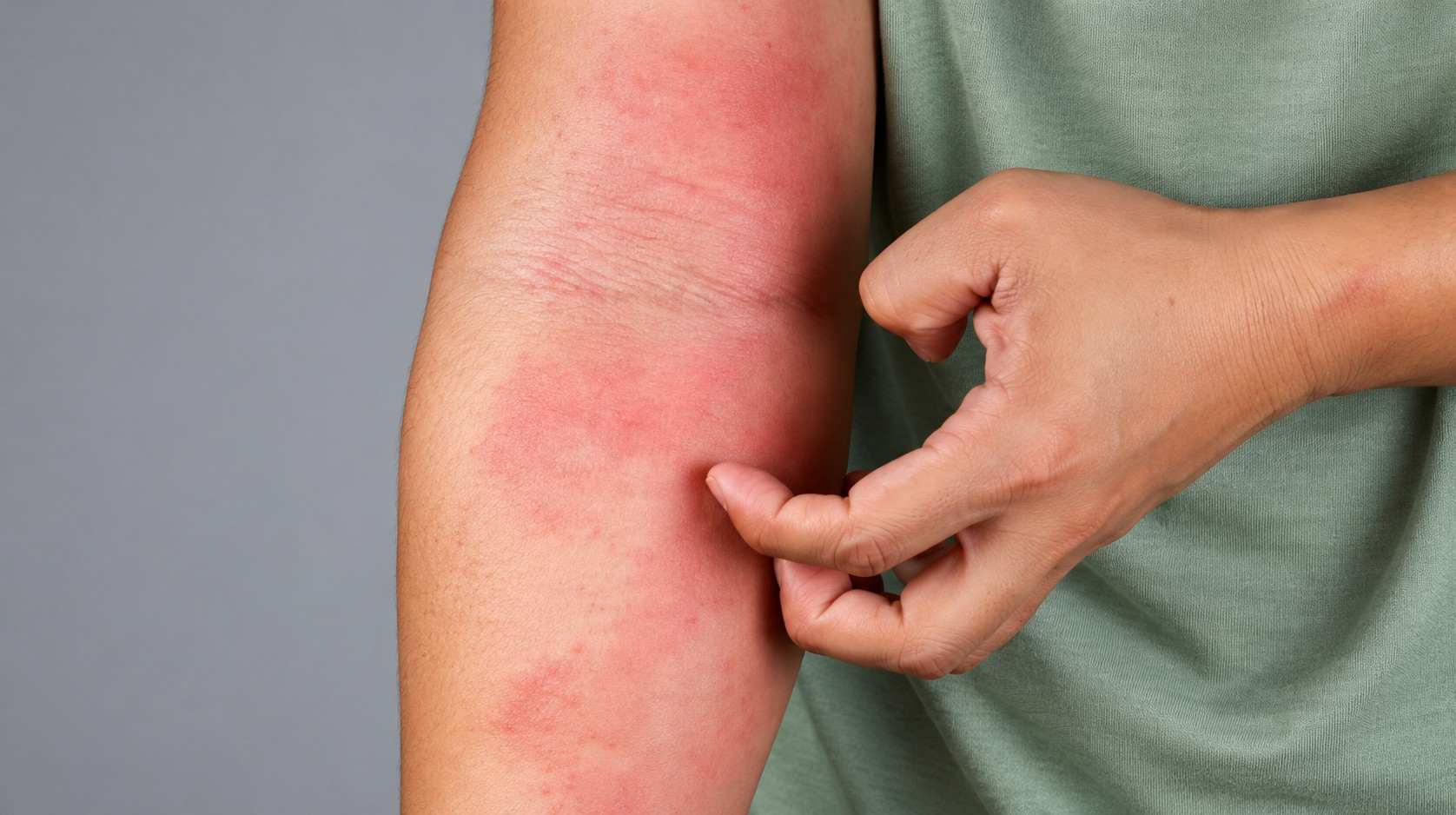
Food allergy symptoms usually appear within minutes to two hours after eating, such as an itchy mouth, hives, swollen lips, vomiting, or shortness of breath. In some people, the reaction can get worse quickly. Recognising the pattern early helps you decide when symptoms can be monitored and when you need urgent help.
A food allergy is also different from simply not getting along with certain foods. This article explains food allergy symptoms in children and adults, the foods that most often trigger them, how to tell an allergy apart from an intolerance, the types of allergy tests available, and the steps you can take.
What Is a Food Allergy?
A food allergy is a reaction in which the immune system mistakenly treats a certain protein in food as a threat. When that food is eaten again, the body releases chemicals such as histamine that trigger symptoms, even from a very small amount.
The most common type is mediated by IgE antibodies, and its symptoms appear quickly. There are also non-IgE-mediated allergies. Their symptoms appear more slowly, from a few hours to a few days, and mainly affect the digestive tract and skin. This type is more common in babies, for example in cow's milk protein allergy.
The Indonesian Paediatric Society (IDAI) estimates that food allergies affect 2–10 percent of the world's population. The rate is higher in children under five, at around 6–8 percent, and lower in adults, at around 3–4 percent. In Indonesia, national figures are not yet available, but the number of cases tends to be rising.
Food Allergy Symptoms to Watch For
Food allergy symptoms can affect one or several parts of the body at once. One typical feature is that they recur: every time the trigger food is eaten, similar symptoms come back.
1. Itching or Tingling in the Mouth
Itching, tingling, or discomfort in the lips, tongue, and throat is often the earliest sign. It can be felt even while the food is still being chewed.
2. Hives, Rashes, and Swelling
The skin may develop itchy red welts (hives or urticaria), redness, or a rash. Some people experience swelling of the lips, eyelids, or face, known as angioedema. In babies and children with eczema, a food allergy can make eczema flare up, although eczema is not always caused by food.
Keep in mind that not every rash means a food allergy. In children, rashes are more often triggered by irritation, the weather, or skincare products.
3. Nausea, Vomiting, Stomach Pain, and Diarrhoea
The digestive tract may react with nausea, vomiting, stomach cramps, or diarrhoea. In babies with a delayed-type allergy, signs may include repeated vomiting, fussiness during feeding, mucus or blood in the stool, and poor weight gain.
Even so, diarrhoea in children is most often caused by a viral infection. According to IDAI, a food allergy should only be suspected if diarrhoea lasts more than 14 days, contains blood, or comes with weight loss. Whatever the cause, repeated vomiting and diarrhoea need attention because they can lead to dehydration, especially in babies and children.
4. Breathing Problems
A blocked nose, sneezing, watery eyes, coughing, a hoarse voice, and wheezing can accompany an allergic reaction to food. Breathing symptoms need to be taken more seriously, especially in people who also have asthma.
5. Anaphylaxis, a Life-Threatening Reaction
Anaphylaxis is a severe allergic reaction that develops quickly and affects breathing, heart rate, or blood pressure. Warning signs include:
- swelling of the tongue or throat, difficulty swallowing, or a change in voice;
- shortness of breath, fast and shallow breathing, or wheezing;
- dizziness, weakness, feeling faint, or loss of consciousness;
- a racing heart, pale and clammy skin, or bluish lips;
- appearing confused or very restless.
Anaphylaxis can occur without a skin rash. According to IDAI, the highest risk of anaphylaxis usually comes from peanuts, tree nuts, fish, and shellfish.
If these signs appear after eating, go to the nearest ER immediately or call the emergency number 119. Anaphylaxis is treated with an injection of epinephrine (adrenaline) by medical staff. Do not wait for symptoms to settle on their own or rely only on ordinary allergy medicine.
How Quickly Do Food Allergy Symptoms Appear?
In IgE-mediated allergies, symptoms almost always appear within seconds to minutes after eating, and usually no later than two hours. Severe reactions can worsen within just minutes.
Non-IgE-mediated allergies may only become noticeable after a few hours to a few days. Because of this long gap, the link between the food and the symptoms often goes unnoticed. Keeping a daily food diary, along with when symptoms appear, can be very helpful for your doctor.
Foods That Commonly Trigger Allergies
Almost any food can trigger an allergy, but a small number of foods account for most cases:
- cow's milk and dairy products;
- eggs;
- peanuts and tree nuts, such as cashews, almonds, or walnuts;
- fish;
- shellfish, such as prawns, crab, and clams;
- wheat, soy, and sesame.
Among Indonesian children, IDAI reports a cow's milk allergy rate of around 2–7.5 percent, with cow's milk protein being the second most common trigger after eggs. Some food allergies in children, especially to cow's milk and eggs, can improve with age, so they need to be reassessed regularly.
Food Allergy, Intolerance, or Food Poisoning?
All three can cause symptoms after eating, but their causes and risks are different.
|
Aspect |
Food allergy |
Food intolerance |
Food poisoning |
|---|---|---|---|
|
Cause |
Immune reaction to a food protein |
The body has difficulty digesting certain substances, such as lactose |
Food contaminated with germs or toxins |
|
Who is affected |
Only people who are sensitive |
People with certain conditions |
Anyone who ate the same food |
|
Amount of trigger |
Even a tiny amount can cause a reaction |
Symptoms depend on how much is eaten |
Depends on the level of contamination |
|
Typical symptoms |
Itching, hives, swelling, vomiting, shortness of breath |
Bloating, rumbling stomach, diarrhoea |
Nausea, vomiting, diarrhoea, sometimes fever |
|
Can cause anaphylaxis? |
Yes |
No |
No |
Food Intolerance
An intolerance does not involve the immune system. The most common example is lactose intolerance, which is difficulty digesting the natural sugar in milk. Symptoms include bloating, a rumbling stomach, nausea, or diarrhoea, and they usually depend on how much is consumed. An intolerance does not cause hives, facial swelling, or anaphylaxis.
Food Poisoning
Food poisoning is caused by food contaminated with germs or toxins. Because the source is contaminated food, symptoms often affect several people who ate the same dish. An allergy, on the other hand, only affects people who are sensitive to the protein in that food.
Picky Eating in Children
Children who are picky eaters usually just refuse or spit out food, with no physical reaction afterwards. With an allergy, symptoms come from within the body and recur every time the trigger food is eaten.
Who Is at Higher Risk?
The risk of food allergy is higher in children under five and in people with a family history of allergies. Food allergies are also more common in people who have eczema, asthma, or allergic rhinitis. In babies, eczema that appears early and is severe is linked to a greater likelihood of food allergy.
Food Allergy Tests: How Doctors Confirm the Diagnosis
A food allergy cannot be diagnosed from a single episode of symptoms. The doctor will ask about the suspected food, how much was eaten, how long it took for symptoms to appear, how the food was prepared, and whether the symptoms always recur. Family history of allergies and other medical conditions will also be considered.
The doctor may then recommend the following allergy tests as needed:
- Skin prick test: a drop of allergen extract is placed on the skin, then the resulting bump is assessed.
- Specific IgE blood test: to check the body's sensitivity to certain allergens.
- Guided elimination diet: the suspected food is stopped for a set period under a doctor's supervision.
- Oral food challenge: the food is given gradually under medical supervision. This method is considered the most reliable way to confirm an allergy.
A positive skin or blood test does not necessarily mean an allergy; the result must match the symptoms experienced. That is why allergy tests should be done on a doctor's recommendation, not as a routine check. Also avoid cutting out many foods without a clear diagnosis, especially in children, as this can affect nutrition and growth.
Managing a Food Allergy Day to Day
Once the trigger is known, the main treatment is avoiding that food, including in small amounts, unless your doctor advises otherwise. These habits can help:
- Read the ingredient label every time you buy packaged products, as recipes can change.
- Prevent cross-contamination, for example by using separate cooking utensils and chopping boards.
- Tell restaurant staff about your allergy when eating out and ask about the ingredients used.
- Inform schools, caregivers, or colleagues about the allergy and its warning signs.
- Keep the allergy action plan from your doctor, including any medicine you need to carry at all times.
Mild reactions such as itching or limited hives can be treated with antihistamines as advised by a doctor or pharmacist. These medicines cannot replace epinephrine in a severe reaction. In children, foods that have previously triggered an allergy should not be reintroduced without a doctor's assessment.
Frequently Asked Questions About Food Allergies
How long does a food allergy reaction last?
In IgE-mediated allergies, symptoms usually appear within minutes to two hours after eating. Mild reactions such as hives generally settle within a few hours to about a day once the trigger food is stopped. If symptoms do not improve, keep coming back, or are accompanied by shortness of breath, see a doctor promptly.
Can a food allergy go away?
Yes, especially in children. Allergies to cow's milk and eggs often improve with age. In contrast, allergies to peanuts, fish, and seafood tend to persist into adulthood. That is why doctors usually reassess regularly before the trigger food can be tried again.
What medicine treats a food allergy?
For now, the main treatment for a food allergy is avoiding the trigger food. Antihistamines can help relieve mild reactions such as itching or hives as advised by a doctor, while severe reactions or anaphylaxis require an epinephrine injection and treatment in the ER.
Should children avoid certain foods when starting solids if their parents have allergies?
According to IDAI, this is not necessary as long as there is no clear allergy diagnosis. Introducing foods by mouth from the time a baby starts solids actually helps the body learn tolerance. Talk to a paediatrician if your child has severe eczema or has had a reaction after eating.
When should you have an allergy test?
An allergy test should be done when symptoms recur after eating certain foods or after a severe reaction, and on a doctor's recommendation. Testing without a clear reason risks giving a meaningless positive result, which may lead to a child avoiding foods that are actually safe.
When Should You See a Doctor?
See a doctor for yourself or your child if:
- symptoms keep appearing after eating the same food;
- a baby often vomits, is fussy during feeding, has blood or mucus in the stool, or is not gaining weight well;
- a baby's eczema is severe or does not improve with skincare;
- you have had a severe reaction and do not know the trigger;
- you are unsure about introducing certain foods to a child with a history of allergies.
Bring a food diary, the times symptoms appeared, and photos of any rash. This information helps the doctor choose the most suitable tests. Go to the ER immediately if there is shortness of breath, swelling of the tongue or throat, severe dizziness, or fainting after eating.
If you or your child has symptoms that point to a food allergy, consult a Tzu Chi Hospital doctor suited to the patient's age:
- Internal Medicine Specialist, Allergy and Immunology Consultant for adult patients, such as Dr. Prasna Pramita, Sp.PD, Subsp AI, MARS, FINASIM.
If needed, the doctor may recommend a skin prick test or a specific IgE blood test to confirm the trigger.
Find a doctor at Tzu Chi Hospital, book a consultation via Tzu Chi Hospital WhatsApp, or call our Call Center at 021 5095 0888.
Topic