

Pencegahan & Deteksi Dini Penyakit
15 Warning Signs of Vertigo Associated with Acid Reflux

Written By
Admin TzuChi • 18 November 2026

A study reported that approximately 75% of patients with vertigo also had a history of Gastroesophageal Reflux Disease (GERD), commonly known as acid reflux.
However, many people find it difficult to distinguish vertigo symptoms associated with acid reflux from those caused by other medical conditions because the symptoms often overlap.
Recognizing these symptoms is important to understand when self-care measures may be appropriate and when medical attention is necessary.
This article explains the possible relationship between GERD and vertigo, 15 associated symptoms, and available management options.
Understanding the Relationship Between GERD and Vertigo
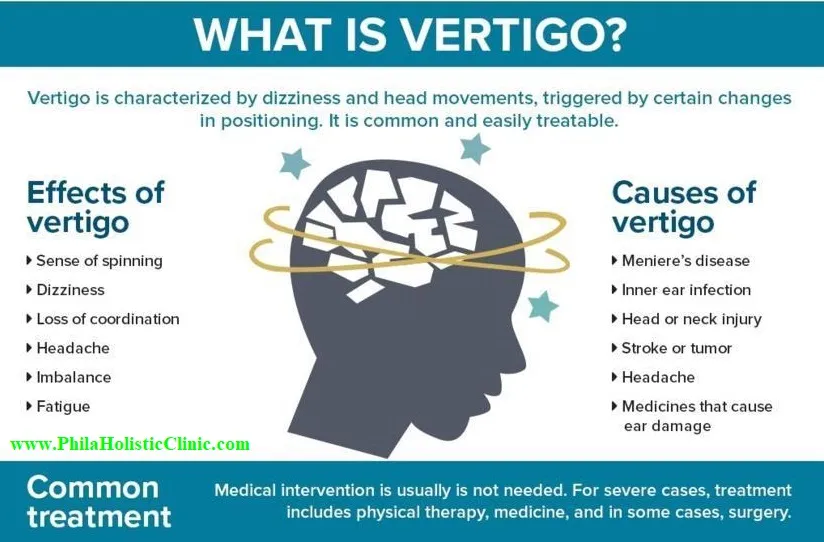
Illustration of Vertigo | Source: Philadelphia Acupuncture Clinic
Vertigo is commonly described as a spinning sensation, typically caused by disorders affecting the inner ear or central nervous system.
Some studies have explored a possible association between vertigo and gastroesophageal reflux. However, the relationship remains uncertain, and acid reflux has not been established as a common direct cause of vertigo.
A survey among university students found that only 23.5% of respondents recognized vertigo as a symptom potentially associated with reflux, while most were unaware of this possible relationship.
Although classic GERD symptoms such as heartburn are widely recognized, other complaints, including nausea, vomiting, and dizziness, may receive less attention.
One proposed explanation involves Laryngopharyngeal Reflux (LPR), a condition in which stomach contents flow backward beyond the esophagus and reach the throat or larynx.
This can irritate tissues in the upper airway and may be associated with throat discomfort or certain ear-related symptoms.
Several mechanisms have been proposed to explain a possible connection between reflux and dizziness.
1. Vagus Nerve Irritation
The vagus nerve, also known as cranial nerve X, is one of the major nerves connecting the brain with several internal organs, including the stomach and esophagus.
Acid reflux may stimulate sensory pathways and autonomic reflexes involving the vagus nerve.
These responses may contribute to symptoms such as nausea, lightheadedness, or presyncope, which is the sensation of nearly fainting.
However, these symptoms are not equivalent to true vertigo, and direct vagus nerve irritation has not been established as a common cause of spinning vertigo.
2. Eustachian Tube Dysfunction
Laryngopharyngeal reflux may be associated with inflammation or irritation of tissues in the throat.
Some researchers have proposed that inflammation near the Eustachian tube could contribute to abnormal middle-ear pressure regulation.
The Eustachian tube connects the middle ear to the upper throat and helps maintain normal air pressure in the middle ear.
Eustachian tube dysfunction may cause ear fullness, pressure changes, or balance-related discomfort.
However, a direct causal relationship between LPR, Eustachian tube dysfunction, and true peripheral vertigo has not been conclusively established.
Vertigo that occurs intermittently or after positional changes may also be caused by inner-ear conditions, including benign paroxysmal positional vertigo (BPPV).
Related Article: Omeprazole: Benefits, Dosage, How to Take It, and Side Effects
15 Signs and Symptoms of Vertigo Associated with Acid Reflux

The following are 15 symptoms and clinical features that may occur in individuals experiencing acid reflux alongside vertigo or dizziness.
These symptoms do not necessarily mean that acid reflux is causing vertigo. Some may indicate separate conditions that require medical evaluation.
1. Sudden Positional Vertigo When Lying Down
Sudden positional vertigo refers to an intense spinning sensation that occurs when changing head or body position, particularly when lying down, turning over in bed, or bending forward.
A horizontal sleeping position can also make acid reflux more likely because gravity provides less assistance in keeping stomach contents from flowing backward into the esophagus.
However, vertigo triggered by lying down or changing head position is more typically associated with vestibular disorders, especially BPPV.
Therefore, experiencing vertigo while lying down does not establish acid reflux as its cause.
2. A Lump-in-the-Throat Sensation (Globus Pharyngeus)
Individuals with GERD or laryngopharyngeal reflux may experience a persistent sensation of a lump, mucus, or something stuck in the throat.
This sensation is medically known as globus pharyngeus.
It may occur even when the person is not swallowing.
Globus sensation can be associated with irritation of the throat or larynx, although several other conditions may produce similar symptoms.
When this sensation occurs alongside dizziness, both complaints should be evaluated rather than automatically attributed to reflux.
3. Tinnitus and Ear Pain Without Infection
Some individuals experiencing vertigo also report ear-related symptoms, such as:
-
Tinnitus: Ringing, buzzing, or other sounds in the ears without an external source.
-
Otalgia: Ear pain that may occur without an obvious ear infection.
One proposed explanation involves inflammation near the Eustachian tube, potentially affecting middle-ear pressure regulation.
However, tinnitus and ear pain have numerous possible causes, including inner-ear disorders, Eustachian tube dysfunction, and other ear-related conditions.
These symptoms are not specific indicators of acid reflux.
4. Chronic Cough or Morning Hoarseness
Acid reflux that occurs during sleep, also known as nocturnal reflux, may contribute to irritation of the throat and larynx.
Possible symptoms include:
-
Persistent dry cough.
-
Hoarseness.
-
Frequent throat clearing.
-
Throat irritation.
-
Voice changes, particularly after waking.
These symptoms may occur in individuals with suspected laryngopharyngeal reflux.
However, morning hoarseness or chronic coughing alone cannot confirm LPR, and other causes should also be considered.
5. Nausea Accompanied by a Sour or Bitter Taste
Nausea can occur during episodes of vertigo and is also commonly associated with digestive conditions.
When nausea occurs together with a sour or bitter taste in the mouth, acid regurgitation may be present.
Regurgitation happens when stomach contents flow backward into the esophagus or mouth.
Although these symptoms may occur at approximately the same time, their simultaneous appearance does not necessarily confirm that reflux is responsible for vertigo.
6. Dizziness Accompanied by Excessive Belching
Some individuals experience dizziness or nausea alongside frequent belching.
Belching is a natural process that releases swallowed air or gas from the upper digestive tract.
People with GERD may experience belching, abdominal discomfort, and other digestive symptoms.
In some cases, belching may provide temporary relief from feelings of abdominal pressure.
However, excessive belching does not establish the cause of dizziness, and true vertigo should be assessed separately when necessary.
7. Heartburn That Radiates to Other Areas
Heartburn is a burning sensation in the chest, commonly associated with gastroesophageal reflux.
The discomfort may sometimes extend toward the upper chest or throat.
However, chest discomfort radiating to the back, neck, jaw, or arms should not automatically be attributed to GERD.
Such symptoms may also occur with serious cardiovascular conditions, including a heart attack.
Seek emergency medical attention if chest discomfort is accompanied by shortness of breath, cold sweats, fainting, or pain spreading to the jaw or arms.
8. Anxiety and Heart Palpitations
Some individuals experiencing dizziness or vertigo may also report anxiety, sudden fear, or a racing heartbeat.
These symptoms can occur together because dizziness itself may trigger an emotional or autonomic response.
GERD symptoms may also cause discomfort that contributes to feelings of anxiety.
However, palpitations and dizziness can have other medical causes, including heart rhythm disorders, dehydration, and changes in blood pressure.
Therefore, recurrent or severe symptoms should be evaluated by a healthcare professional.
Related Article: What Is a Normal Heart Rate? How to Measure It and When to Be Concerned
9. Intermittent Difficulty Swallowing (Dysphagia)
Frequent acid reflux may cause inflammation of the esophagus.
Over time, chronic inflammation can sometimes lead to complications, including narrowing of the esophagus, known as an esophageal stricture.
This may cause difficulty swallowing or the sensation that food is getting stuck.
The symptoms may initially appear intermittently.
Difficulty swallowing requires medical evaluation, especially if it is progressive, persistent, or accompanied by weight loss.
10. Extreme Fatigue After an Episode
People with nighttime reflux may experience disrupted sleep.
Nocturnal reflux can cause discomfort, coughing, or repeated awakenings, sometimes without the individual fully remembering them.
Poor sleep quality may contribute to:
-
Daytime fatigue.
-
Reduced concentration.
-
A feeling of weakness.
-
Difficulty maintaining normal daily activities.
However, extreme fatigue after vertigo may also be related to the vertigo episode itself, an underlying vestibular condition, or another medical problem.
Fatigue alone cannot identify GERD as the cause of vertigo.
11. Shortness of Breath That Appears to Improve After Antacids
Some individuals with reflux report breathing discomfort, particularly after large meals or when lying down.
Reflux may contribute to certain respiratory symptoms through irritation of the upper airway or other proposed mechanisms.
In some cases, individuals may notice improvement in discomfort after taking antacids.
However, improvement after antacids does not prove that shortness of breath is caused by acid reflux.
Shortness of breath should never be assumed to be harmless, especially when accompanied by chest pain, dizziness, cold sweats, or weakness.
Seek urgent medical attention if breathing difficulty is sudden, severe, or worsening.
12. Sudden Cold Sweats (Diaphoresis)
Cold sweats may occasionally accompany dizziness, nausea, or near-fainting episodes.
One possible mechanism is a vasovagal response, which can cause a temporary decrease in heart rate and blood pressure.
Symptoms may include:
-
Cold sweats.
-
Pale skin.
-
Nausea.
-
Lightheadedness.
-
Feeling faint.
However, these symptoms are not specific to GERD.
Cold sweats associated with chest pain, severe dizziness, or fainting may indicate a medical emergency and require immediate evaluation.
13. Increased Sensitivity to Certain Foods
Some people notice that reflux symptoms occur more frequently after consuming certain foods or beverages.
Commonly reported triggers include:
-
High-fat foods.
-
Chocolate.
-
Mint.
-
Coffee or other caffeinated beverages.
-
Alcohol.
These foods or beverages may worsen reflux symptoms in susceptible individuals.
Certain substances may influence the function of the lower esophageal sphincter (LES), which normally helps prevent stomach contents from flowing backward into the esophagus.
However, experiencing dizziness after eating these foods does not necessarily mean that acid reflux is causing vertigo.
Keeping a record of food intake and symptoms may help identify patterns that can be discussed with a doctor.
14. Mild Hypoglycemia Associated with Reduced Food Intake
Persistent nausea or digestive discomfort may cause some individuals with GERD to eat smaller portions or delay meals.
In certain circumstances, inadequate food intake may contribute to low blood glucose levels, particularly in people taking diabetes medications.
Symptoms of hypoglycemia may include:
-
Dizziness or lightheadedness.
-
Weakness.
-
Sweating.
-
Trembling.
-
Difficulty concentrating.
These symptoms can sometimes be mistaken for vertigo.
However, hypoglycemia usually causes lightheadedness rather than the spinning sensation characteristic of true vertigo.
If low blood glucose is suspected, appropriate testing may be needed.
15. Upper Abdominal Pain That Improves with PPIs or Antacids
Upper abdominal discomfort or heartburn may improve after treatment with medications that reduce or neutralize stomach acid.
These medications include:
-
Proton Pump Inhibitors (PPIs): Medications that reduce stomach acid production.
-
Antacids: Medications that neutralize stomach acid and may provide temporary symptom relief.
Improvement in reflux symptoms after treatment may support a diagnosis of an acid-related disorder.
However, improvement in dizziness or vertigo during reflux treatment does not conclusively prove that GERD was responsible.
Persistent or recurrent vertigo requires appropriate evaluation to determine whether an inner-ear, neurological, cardiovascular, or other condition is involved.
Related Article: Upper Gastrointestinal Endoscopy: Definition, Procedure, and Costs
Get Appropriate Care for Vertigo and Acid Reflux at Tzu Chi Hospital
Although lifestyle modifications and over-the-counter medications may help relieve certain acid reflux symptoms, recurrent vertigo should not be overlooked.
When vertigo occurs alongside gastrointestinal symptoms, a comprehensive medical evaluation may be necessary to identify the underlying causes.
Depending on the symptoms, patients may need consultation with specialists in Gastroenterology, Ear, Nose, and Throat (ENT), or Neurology.
These examinations can help distinguish reflux-related complaints from vestibular disorders and other conditions that may require different treatments.
If you frequently experience vertigo accompanied by symptoms such as heartburn, upper abdominal discomfort, or a sour taste in your mouth, consider scheduling a medical consultation.
Early evaluation can help identify the underlying condition and determine an appropriate treatment plan.
At Tzu Chi Hospital, patients have access to specialist medical services supported by experienced healthcare professionals and modern medical facilities.
For emergencies, visit the Emergency Department at Tzu Chi Hospital immediately.
For routine consultations, you can schedule an appointment through Tzu Chi Hospital's WhatsApp service or use the Find a Doctor feature on the hospital's official website to select a suitable specialist.
This article has been medically reviewed by Dr. Hendra Koncoro, Sp.PD, KGEH (Internal Medicine Specialist, Consultant in Gastroenterology and Hepatology).
References
-
IJORL. Vertigo in Association with Gastro-Esophageal Reflux Disease.
-
PubMed Central. Prevalence and Risk Factors of Gastro-Esophageal Reflux Disease Among College Students at a Public University in Riyadh, Saudi Arabia.