
Disease
Seborrheic Dermatitis: Causes, Symptoms, and How to Treat It

Written By
Admin • 21 November 2026
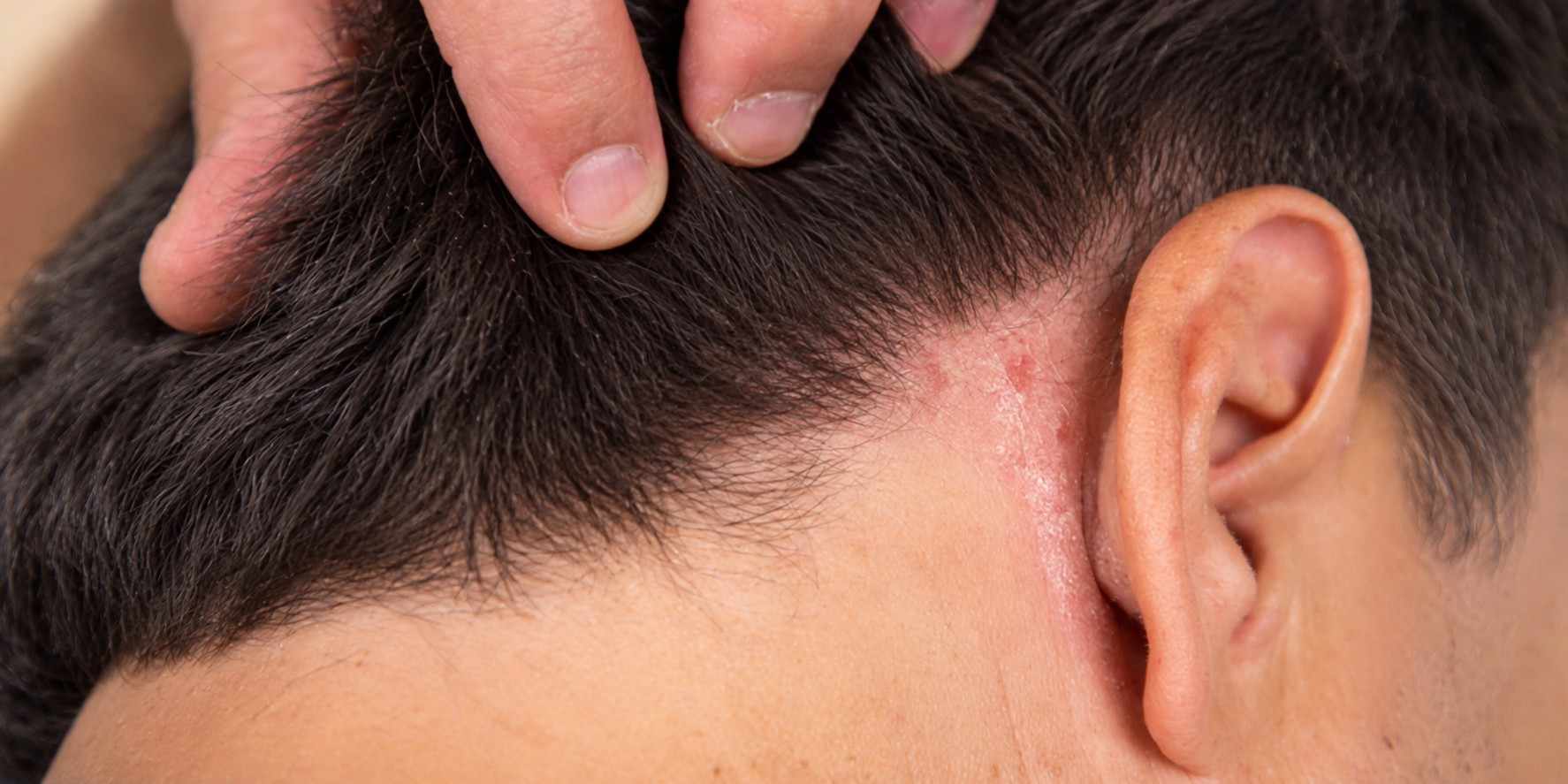
Seborrheic dermatitis is a chronic skin inflammation that causes red patches with greasy, yellowish-white scales, mainly on the scalp, face, and chest. It is not contagious and can be controlled with the right care, such as antifungal shampoos or creams, although it often flares up during stress or fatigue.
Many people think seborrheic dermatitis is just ordinary dandruff, so it is not treated thoroughly. Here is an explanation of the symptoms of seborrheic dermatitis, its causes and triggers, how it differs from other skin conditions, and how to treat it and prevent flare-ups.
What Is Seborrheic Dermatitis?
Seborrheic dermatitis is an inflammatory skin disease that appears in areas of the body with many oil glands. It can affect both babies and adults, and in adults it is more common in men aged 30–40.
The most commonly affected areas include:
- the scalp, where the mild form is known as dandruff;
- the eyebrows, eyelids, and sides of the nose;
- behind the ears and the ear canal;
- the beard and moustache area;
- the centre of the chest and skin folds.
Seborrheic Dermatitis in Babies
In babies, seborrheic dermatitis on the scalp is known as cradle cap: a thick, yellowish, greasy crust. It can also appear in the nappy area. Seborrheic dermatitis in babies is generally not itchy, not harmful, and usually clears up on its own within a few weeks to months.
Symptoms of Seborrheic Dermatitis
Symptoms of seborrheic dermatitis can vary from person to person, but they generally include:
- red patches with greasy white or yellowish scales;
- dandruff or skin flakes on the scalp, eyebrows, beard, or moustache;
- itching, especially on the scalp;
- peeling skin around the nose, eyebrows, and behind the ears;
- redness of the eyelids (blepharitis), sometimes with crusts at the base of the eyelashes.
On darker skin, the patches do not always look red, but may appear lighter or darker than the surrounding skin.
Causes and Triggers
The exact cause of seborrheic dermatitis is not yet known. Experts suspect it is linked to Malassezia spp, a yeast that naturally lives on the skin's surface. In some people, this fungus grows more in oily areas and triggers an inflammatory reaction, especially when the skin's protective barrier is weak.
Some factors that can trigger or worsen seborrheic dermatitis include:
- stress and fatigue;
- changes in weather, especially cold, dry air;
- very oily skin;
- using skincare products that contain alcohol;
- neurological disorders such as Parkinson's disease;
- a weakened immune system, for example in people with HIV;
- depression and certain medicines.
Seborrheic dermatitis is not caused by poor hygiene and is not contagious.
How It Differs from Dandruff, Psoriasis, and Eczema
Dandruff is a mild form of seborrheic dermatitis on the scalp, consisting of skin flakes without obvious inflammation.
Psoriasis usually causes thick, well-defined plaques with silvery scales, and often also appears on the elbows, knees, or nails.
Eczema (atopic dermatitis) is generally very itchy, the skin looks dry, and it often appears in the creases of the elbows or knees, especially in people with a history of allergies.
Because the symptoms can look similar, an examination by a dermatologist is needed if the patches do not improve or keep coming back.
How to Treat Seborrheic Dermatitis
Seborrheic dermatitis cannot yet be cured completely, but its symptoms can be well controlled. The aims of treatment are to reduce the fungus, relieve inflammation, and prevent flare-ups.
Antifungal and Anti-Dandruff Shampoos
For the scalp, use a shampoo containing active ingredients such as ketoconazole, selenium sulphide, or zinc pyrithione. Massage the shampoo into the scalp, leave it for about 5–10 minutes, then rinse. Ketoconazole shampoo is usually used twice a week until symptoms are under control, then once a week or every two weeks as maintenance.
The same shampoo can also be used to wash affected areas of the beard, moustache, or chest.
Antifungal Creams
For the face and body, your doctor may prescribe an antifungal cream such as ketoconazole or miconazole to apply to the patches.
Anti-Inflammatory Medicines from a Doctor
If the inflammation is quite severe, your doctor may prescribe a mild corticosteroid cream for short-term use or a calcineurin inhibitor. These medicines should be used as directed by your doctor, especially on the face, to avoid side effects such as skin thinning.
In widespread cases or cases that do not improve, your doctor may consider oral antifungal medicine.
Caring for Seborrheic Dermatitis in Babies
- Wash your baby's scalp daily with a gentle baby shampoo.
- Soften the crusts by applying a little baby oil or olive oil a few hours before washing.
- Gently loosen the crusts with a soft baby hairbrush or cloth, then wash thoroughly.
- Avoid picking or scratching the crusts, as this can cause wounds and infection.
- Do not use antifungal shampoos or medicated creams on babies without a doctor's advice.
How to Prevent Seborrheic Dermatitis Flare-Ups
- Keep using an antifungal shampoo once a week or every two weeks even after symptoms improve.
- Manage stress and get enough sleep.
- Clean your face and scalp regularly with a gentle cleanser.
- Avoid hair and skin products that contain alcohol or strong fragrances.
- Use a suitable moisturiser, especially in cold weather or air-conditioned rooms.
- Shave or trim your beard and moustache if flare-ups often occur in those areas.
Frequently Asked Questions about Seborrheic Dermatitis
Can seborrheic dermatitis be cured completely?
In adults, seborrheic dermatitis is generally chronic and can recur, but its symptoms can be well controlled with treatment and regular care. In babies, it usually clears up on its own within a few months.
Is seborrheic dermatitis contagious?
No. Seborrheic dermatitis is not spread through touch or by sharing combs or towels.
Does seborrheic dermatitis cause hair loss?
Seborrheic dermatitis itself rarely causes baldness. However, scratching the scalp too hard can cause temporary hair loss. Hair usually grows back once the inflammation is under control.
Does food affect seborrheic dermatitis?
No particular food has been strongly proven to trigger seborrheic dermatitis. A balanced diet is still recommended, and if you feel your symptoms worsen after certain foods, note them down and discuss them with your doctor.
Can I use anti-dandruff shampoo every day?
Antifungal shampoo is usually used twice a week during a flare-up and once a week for prevention. On other days, use a gentle regular shampoo. Follow the instructions on the package or your doctor's advice.
When Should You See a Doctor?
See a doctor if:
- symptoms do not improve after several weeks of using over-the-counter shampoos or creams;
- the patches spread widely, are very itchy, or disturb your sleep and daily activities;
- the skin looks pus-filled, weepy, painful, or feels hot, which may signal an infection;
- seborrheic dermatitis keeps coming back or suddenly appears in a severe form;
- the crusts on your baby's scalp spread to the body, look inflamed, or your baby is fussy and has difficulty feeding.
Find a dermatologist at Tzu Chi Hospital to confirm the diagnosis and get the right treatment for seborrheic dermatitis, and a paediatrician for your little one's concerns, or book a consultation via WhatsApp Tzu Chi Hospital or call our Call Center at 021 5095 0888.
This article has been reviewed by Dr. Christy Fransisca, Sp.DVE
Related Articles
- Eczema in Babies: Causes, Symptoms, and How to Treat It
- Tinea Versicolor on the Skin: Signs, Causes, and How to Treat It
Topic