

Tindakan Medis & Terapi
Ear Endoscopy: Functions, Procedure, and Costs

Written By
Admin TzuChi • 21 November 2026
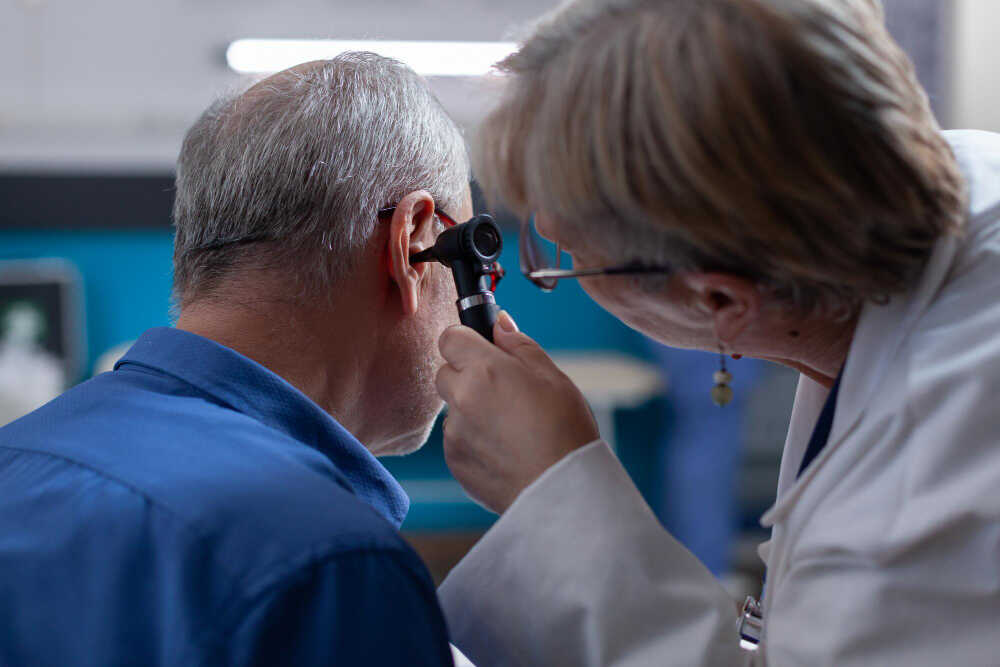
When ear problems persist or hearing becomes impaired, ear endoscopy is an effective diagnostic method for identifying the underlying condition.
This procedure not only provides clear visualization but also offers greater diagnostic accuracy compared to conventional examination methods.
In modern healthcare, endoscopy has become an important tool in diagnosing and managing ear, nose, and throat (ENT) conditions, helping patients receive appropriate and effective treatment.
Let's learn more about ear endoscopy below!
What Is Ear Endoscopy?
Illustration of Ear Endoscopy
Endoscopy is a medical procedure that uses an instrument called an endoscope, which can be a rigid endoscope.
In ENT (Ear, Nose, and Throat) practice, this procedure is also known as otoendoscopy or otoscopy. The instrument is equipped with a lens, a light source, and a high-resolution camera at its tip.
Its purpose is to provide detailed visualization of the ear canal, eardrum, and areas that may be difficult to examine using conventional methods through a monitor.
This advantage distinguishes ear endoscopy from a regular otoscope, which provides a more limited field of view.
Endoscopy is not exclusively used for ear examinations. If you have heard of nasal endoscopy (rhinoscopy) for diagnosing sinusitis or throat endoscopy (laryngoscopy) for examining the vocal cords, these are also part of ENT endoscopic procedures.
The use of endoscopy throughout the ENT region allows doctors to obtain comprehensive images and identify potential connections between conditions affecting the ears, nose, and throat.
Purposes of Ear Endoscopy (ENT)
Ear endoscopy is not limited to visual examination. It also serves important clinical purposes for both diagnosis and therapeutic procedures.
What are the purposes of ear endoscopy? Let's explore them below!
1. Comprehensive Diagnosis
Endoscopy provides detailed visualization to identify the underlying causes of conditions that may not be visible to the naked eye.
a. Identifying Impacted Earwax
Endoscopy is an important tool for detecting hardened earwax buildup, also known as cerumen impaction.
Compared to ear irrigation, which may sometimes push earwax deeper into the ear canal, endoscopy allows doctors to directly visualize the blockage and determine the safest method of removal.
b. Detecting Foreign Objects
Foreign objects in the ear are a common emergency, particularly among children. Endoscopy allows doctors to clearly identify the position and type of foreign object, such as insects, beads, or cotton swab fragments, and guides its removal while minimizing the risk of damaging ear structures.
c. Evaluating the Eardrum
Doctors can examine the eardrum in detail to identify signs of perforation, retraction, or tympanosclerosis (hardening of the eardrum), which may affect hearing.
2. Guided Therapeutic Procedures
In addition to its diagnostic function, endoscopy can also be used to guide therapeutic medical procedures. These include:
-
Surgery or invasive procedures involving the ear canal: Helping doctors perform cleaning, tissue repair, or removal of abnormalities that cannot be managed using conventional methods.
-
Ear medication injection: Allowing medication to be administered directly and precisely to the affected area for more targeted treatment.
-
Ear ventilation tube insertion: Performed in patients with recurrent middle ear fluid or hearing problems caused by obstruction, helping improve middle ear ventilation.
-
Eardrum repair (tympanoplasty): A procedure to repair tears or damage to the tympanic membrane to help restore hearing function.
-
Removal of benign ear tumors: Such as cysts or polyps in the ear canal or middle ear that may interfere with function or cause recurrent infections.
-
Other therapeutic procedures based on medical indications: Including removal of foreign objects, management of bleeding, and correction of abnormal ear structures.
a. Foreign Object and Earwax Removal
Using microsurgical instruments inserted through the endoscope, doctors can remove foreign objects and earwax with greater precision and safety. This helps reduce the risk of injury to the ear canal and eardrum.
b. Tissue Sampling (Biopsy)
If suspicious growths or cysts are identified, endoscopy helps guide doctors in collecting tissue samples (biopsies) from the appropriate area.
Preparation Before Ear Endoscopy
Preparing for Ear Endoscopy: Consultation with a Doctor
Although this procedure is non-invasive, there are several steps you can take to help ensure the examination goes smoothly.
Here are the recommended preparation steps:
1. Consultation and Medical History
Before the procedure, the doctor will conduct a consultation to review your medical history, including any allergies or existing medical conditions. You will also be asked about your symptoms, such as pain, itching, or hearing loss.
2. Practical Guidelines for Patients
There are two important things to keep in mind before the examination:
-
Avoid Cleaning the Ear Canal Too Deeply: Do not use cotton swabs or other objects to clean your ears before the examination. Doing so may push earwax or foreign objects further into the ear canal.
-
Medication Information: Inform your doctor if you are taking blood-thinning medications or other medicines that may affect the procedure.
ENT Endoscopy Procedure
Ear Endoscopy Procedure
This procedure is relatively quick and safe and generally does not require general anesthesia, except in certain pediatric cases that require special management.
Here are the proper steps involved in ear endoscopy:
1. Procedure Steps
The patient will be asked to sit comfortably. The ENT specialist will briefly explain the examination process. An ear endoscope, which resembles a pen with a camera at its tip, will then be gently inserted into the ear canal.
During the procedure, images from inside the ear are projected onto a high-resolution monitor, allowing the doctor to examine and analyze the condition in detail. Patients may also be able to view the images directly on the screen, helping them better understand their ear condition.
2. Visual Assessment and Analysis
This procedure allows doctors to obtain accurate visual information. If an insect is found inside the ear, the doctor may introduce a special solution to immobilize the insect before removing it.
In cases of impacted earwax, the doctor will carefully remove it using specialized micro-instruments. According to clinical journal data, endoscopy may improve the success rate of foreign body removal by up to 95% compared with conventional methods while reducing the risk of complications.
3. The Role of ENT Endoscopy Equipment
In addition to the doctor's skills and expertise, the accuracy of endoscopic diagnosis depends greatly on the supporting technology. Modern ENT endoscopy equipment has significantly improved image quality.
This equipment consists of several integrated components:
-
Endoscopic Otoscope: The primary instrument for ear endoscopy, designed with high-definition optics and an integrated LED lighting system.
-
HD Monitor: Displays high-resolution images from inside the ear, helping doctors identify even very small abnormalities.
-
Recording System: Some devices are equipped with video or photo recording features, which are useful for medical documentation and comparing conditions before and after treatment.
Ear Endoscopy Costs (ENT)
The cost of ear endoscopy is often an important consideration for many patients.
In Indonesia, ENT endoscopy costs vary depending on several factors, including:
-
Location and Type of Healthcare Facility: Costs at large private hospitals in major cities tend to be higher than those at ENT clinics in other regions.
-
Procedure Complexity: Diagnostic procedures generally cost less. However, additional procedures, such as foreign body removal or earwax extraction, may increase the total cost.
-
Health Insurance: Check your insurance coverage. Many health insurance providers cover this procedure, particularly when it is part of a clinically indicated diagnostic examination.
As a general reference, ear endoscopy costs in Indonesia typically range from IDR 350,000 to IDR 1,500,000 or more, depending on the complexity of the procedure and the healthcare facility's location.
For the most accurate and transparent information regarding ear endoscopy costs at Tzu Chi Hospital PIK, patients are encouraged to contact the hospital's call center directly.
Factors Affecting Ear Endoscopy Costs
| Factor | Impact on Cost |
|---|---|
| Type of Procedure | Diagnostic (lower cost) vs. Therapeutic (higher cost) |
| Endoscope Type | Standard vs. High Definition (HD) |
| Healthcare Facility Location | Major cities (higher cost) vs. smaller cities (lower cost) |
Read Also: Gastroscopy: Definition, Procedure, and Surgical Costs
When Should You See a Doctor?
Do not delay visiting an ENT specialist if you experience persistent or bothersome ear symptoms. Early awareness and timely medical attention are essential to prevent ear conditions from becoming more serious.
You should consult a doctor promptly if you experience:
-
Severe Ear Pain: Intense and persistent pain that does not improve with pain medication.
-
Hearing Loss: Sudden or gradual reduction in your ability to hear.
-
Ringing in the Ears (Tinnitus): Persistent ringing or buzzing sounds that interfere with concentration.
-
Ear Discharge: Fluid, pus, or blood coming from the ear, which may indicate a serious infection.
-
A Feeling of Fullness or Blockage: A persistent sensation of fullness in the ear despite attempts to clean it, which may indicate a blockage.
Rather than delaying care and allowing your concerns to continue, take a proactive step toward protecting your health. Get an accurate diagnosis and appropriate treatment for the digestive complaints you are experiencing.
Do not let uncertainty affect your quality of life. At Tzu Chi Hospital PIK, our professional medical team and comprehensive facilities are ready to support your healthcare needs.
Would you like to consult a doctor directly? Find and select your preferred doctor through our Find a Doctor menu to arrange a consultation.
Need immediate assistance in an emergency? Our 24-hour Emergency Department is always ready to assist you.
Have further questions about our procedures or services? Contact our team via WhatsApp.
This article has been reviewed by dr. Ivana, Sp.THT.