

Pencegahan & Deteksi Dini Penyakit
What Is Hematology? Learn the Procedure and How to Get Your Blood Tested

Written By
Admin TzuChi • 25 November 2026
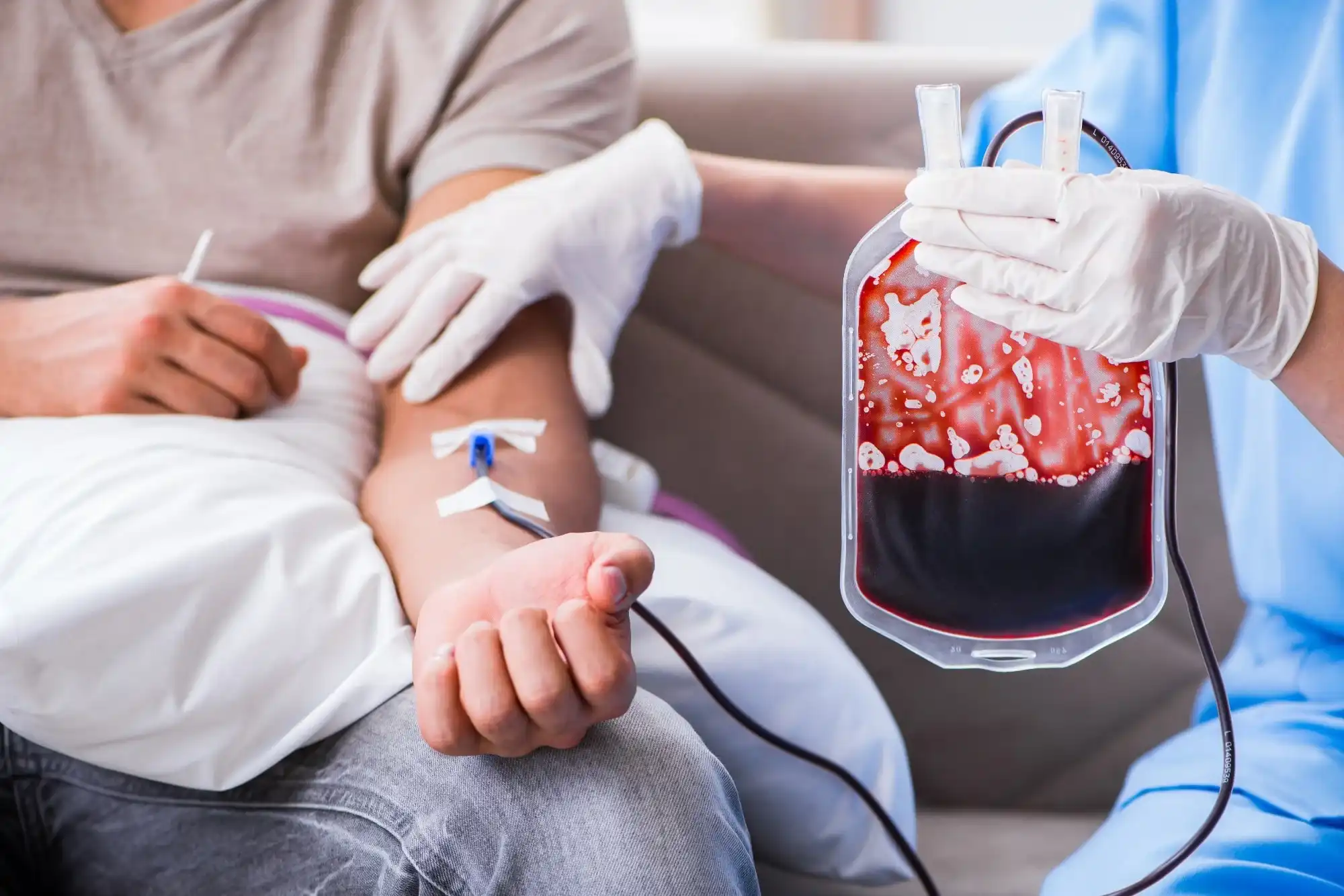
Hematology is the branch of medicine that studies blood, the blood-forming organs, and the disorders related to them.
For many people, the word “hematology” brings worry and fear, such as: could mild symptoms turn into a serious illness?
Global studies show that the burden of blood cancers, from the number of cases to DALYs (a measure of the total years of healthy life lost due to illness or early death), remains very large and continues to rise.
This underlines that hematology tests offer important benefits for early detection and treatment by professionals.
To answer all of this, follow the full explanation below and find answers to your concerns about your blood health in more depth.
Let's take a look together.
What Is Hematology?
Hematology is the branch of medicine that focuses on the study of blood, the organs that produce blood (such as the bone marrow), and all disorders or diseases related to blood components.
According to international research, anaemia remains a major problem in many countries, with high prevalence and a significant impact on “years lived with disability”, underlining the importance of routine hematology tests for early detection and professional treatment.
- Blood is the fluid of life that flows throughout your body. It consists of plasma and blood cells.
- Tests in this field are often called hematology tests or a complete blood count.
- Your blood plays a vital role in many body functions, from carrying oxygen and nutrients and fighting infection to stopping bleeding. Understanding the hematology system is key to detecting health problems as early as possible, even before serious symptoms appear.
Read also: Hematology-Oncology: Types, Factors, and Available Therapies
What Is the Purpose of a Hematology Test?
Having a hematology test is a very important proactive step for your long-term health.
Why? Because a hematology test gives a complete picture of what is happening inside your body, so your doctor can detect, diagnose, and monitor various medical conditions.
Here are the purposes of a hematology test:
- Detecting anaemia: this test measures red blood cells, hemoglobin, and hematocrit to find out whether you have anaemia (low blood).
- Identifying infection and inflammation: the white blood cell count can indicate infection, inflammation, or even autoimmune disease in your body.
- Evaluating blood clotting: a platelet test helps assess the risk of excessive bleeding or abnormal blood clot formation.
- Screening for blood cancer: in certain cases, abnormal complete blood count results can be an early clue to a serious condition such as leukaemia.
Types of Hematology Tests
To get a complete picture of your blood health, your doctor may recommend several types of hematology tests or blood-related tests, such as:
1. Complete Blood Count (CBC)
This is the most common and fundamental routine hematology test. A CBC measures the main components of blood, including:
- Red blood cells (erythrocytes): the number of oxygen-carrying cells.
- Hemoglobin (Hb): the oxygen-carrying protein inside red blood cells.
- Hematocrit (Hct): the percentage of blood volume taken up by red blood cells.
- White blood cells (leukocytes): the number of cells that fight infection.
- Platelets: cells that help blood clot.
2. White Blood Cell Differential Count
This test breaks down the types of white blood cells, such as neutrophils, lymphocytes, monocytes, eosinophils, and basophils. An increase or decrease in one type can point to a particular type of infection or disease.
3. Erythrocyte Sedimentation Rate (ESR)
The erythrocyte sedimentation rate test measures how quickly red blood cells settle at the bottom of a tube. A fast settling rate is often an indicator of inflammation or chronic disease in the body.
4. Coagulation Panel
Blood clotting tests also include Prothrombin Time (PT) and Activated Partial Thromboplastin Time (aPTT), which measure how quickly your blood clots and are important for detecting bleeding problems or thrombosis.
5. Peripheral Blood Smear
If the CBC shows significant abnormalities, a laboratory technician will look at a blood sample under a microscope to visually examine the shape, size, and maturity of blood cells, giving more precise detail.
Signs You Should Have a Hematology Test
There are several conditions or symptoms that signal you should have a hematology test soon.
Don't delay getting a medical check-up or consultation if you experience the following.
1. Extreme and Persistent Fatigue
If you often feel very tired, weak, or easily exhausted even without heavy activity and with enough sleep, this could be a sign of anaemia (a lack of oxygen-carrying red blood cells), which is a common blood disorder.
2. Easy Bleeding or Bruising
Bruising easily or bleeding that is hard to stop (such as prolonged nosebleeds) can be a sign of a problem with your platelets.
3. Repeated or Prolonged Infections
Getting sick often or having infections that take a long time to heal may indicate a problem with your white blood cells, a fundamental part of the blood system that serves as the body's defence.
4. Swollen Lymph Nodes
Persistent swelling in the neck, armpits, or groin with no clear cause can indicate infection, inflammation, or even lymphoma.
5. Fever with No Clear Cause
A long-lasting fever of unknown cause may be a clue to inflammation or a more serious blood condition.
6. As Part of a Routine Medical Check-Up
Even without symptoms, a routine hematology test is an essential part of an annual medical check-up to monitor your overall health.
Hematology Test Procedure
The hematology test process is fairly simple and quick. It does not require a hospital stay, and blood collection usually takes less than 5 minutes.
The steps of a hematology test are:
1. Blood Sample Collection (Phlebotomy)
First, a doctor or nurse will take a small sample of your blood, usually from a vein in your arm. The area will be cleaned beforehand.
2. Laboratory Processing
Next, your blood sample is taken to the laboratory to be analysed with special equipment (such as a CBC analyser) to count and measure the blood components.
The laboratory process also determines the hematology test fee you will pay.
3. Analysis and Interpretation of Results
Third, a clinical pathologist will analyse the data, and your treating doctor will interpret the results based on your clinical condition.
Preparing for a Hematology Test
Good preparation helps ensure accurate hematology results. Although routine hematology tests generally need little preparation, there are a few things to note:
1. Confirm Whether You Need to Fast
Ask your doctor whether your complete blood count requires fasting. Usually, a routine complete blood count does not, but if you are also having a blood sugar test or lipid (cholesterol) panel, fasting may be required.
2. Drink Enough Water
The second step is to drink enough water (but not too much). Good hydration keeps your veins well filled, making it easier to collect the blood sample (phlebotomy).
3. Tell Your Doctor About Your Medications
Tell the doctor or nurse about all medicines, vitamins, or supplements you are taking, as some of them can affect blood test results.
4. Stay Calm
Anxiety can affect your heart rate and blood pressure. Try to stay calm before and during blood collection.
Hematology Test Results
After your test, you will receive a laboratory report with numbers. It is important to know that these numbers must be interpreted by a doctor, taking into account your clinical condition and medical history.
Here are examples of blood components measured in a hematology test and what they mean:
|
Blood Component |
Normal Meaning |
Abnormal Meaning |
|---|---|---|
|
Red blood cells (RBC) |
Optimal oxygen transport |
Anaemia (low) or polycythaemia (high) |
|
White blood cells (WBC) |
Healthy body defence |
Infection, inflammation, or bone marrow disorder |
|
Platelets (PLT) |
Good blood-clotting ability |
Risk of bleeding (low) or clotting (high) |
|
Hemoglobin (Hb) |
Oxygen-carrying capacity |
Anaemia (low) |
Here is how the main results are interpreted:
1. Low Red Blood Cells (Anaemia)
Low red blood cells (anaemia) may mean your body does not have enough red blood cells or hemoglobin to carry oxygen. Anaemia can be caused by iron, vitamin B12, or folate deficiency, or by chronic bleeding.
2. High White Blood Cells (Leukocytosis)
High white blood cells (leukocytosis) are often a sign of a response to (bacterial) infection or acute inflammation. A high white cell count can also occur due to stress, severe allergies, or more serious conditions such as leukaemia.
3. Low White Blood Cells (Leukopenia)
Low white blood cells (leukopenia) may indicate a problem with the bone marrow not producing enough white blood cells, a severe viral infection, or side effects of certain medicines, which weakens your immune system.
4. High Platelets (Thrombocytosis)
High platelets can increase the risk of abnormal blood clotting (thrombosis), although this is often a response to acute inflammation or certain conditions.
5. Low Platelets (Thrombocytopenia)
Low platelets increase the risk of excessive bleeding or bruising because the blood has difficulty clotting. This can be caused by bone marrow damage, medicines, or autoimmune disease.
Read also: 20 Foods to Raise Your Platelet Count, Including Eggs and Shellfish!
Where to Have a Hematology Test
Today, you can have a routine hematology test at many healthcare facilities, but it is strongly recommended to choose a trusted facility with advanced equipment and competent specialist doctors.
Hospitals such as Tzu Chi Hospital PIK provide comprehensive laboratory and diagnostic services that can perform all types of hematology tests to the highest quality standards.
Besides modern equipment, our medical team has the expertise to analyse and interpret hematology and other test results accurately.
When Should You See a Doctor?
Blood disorders often go unnoticed until complications such as extreme fatigue, uncontrolled bleeding, or even organ damage appear and are felt directly.
That is why early detection through routine blood tests and professional consultation can truly save your life.
Click the Find a Doctor menu on the Tzu Chi Hospital PIK website to discuss your condition and get the right treatment plan.
To keep your health optimally monitored, remember to have a medical check-up at least once a year as the best preventive step.
If you receive abnormal hematology results, now is the right time to contact us via WhatsApp to schedule a consultation with a doctor.
This article has been reviewed by dr. Rajesh, Sp.PD-KHOM