

Disease
Oral Herpes: Symptoms, Causes, and Treatment Options

Written By
Admin • 14 November 2026
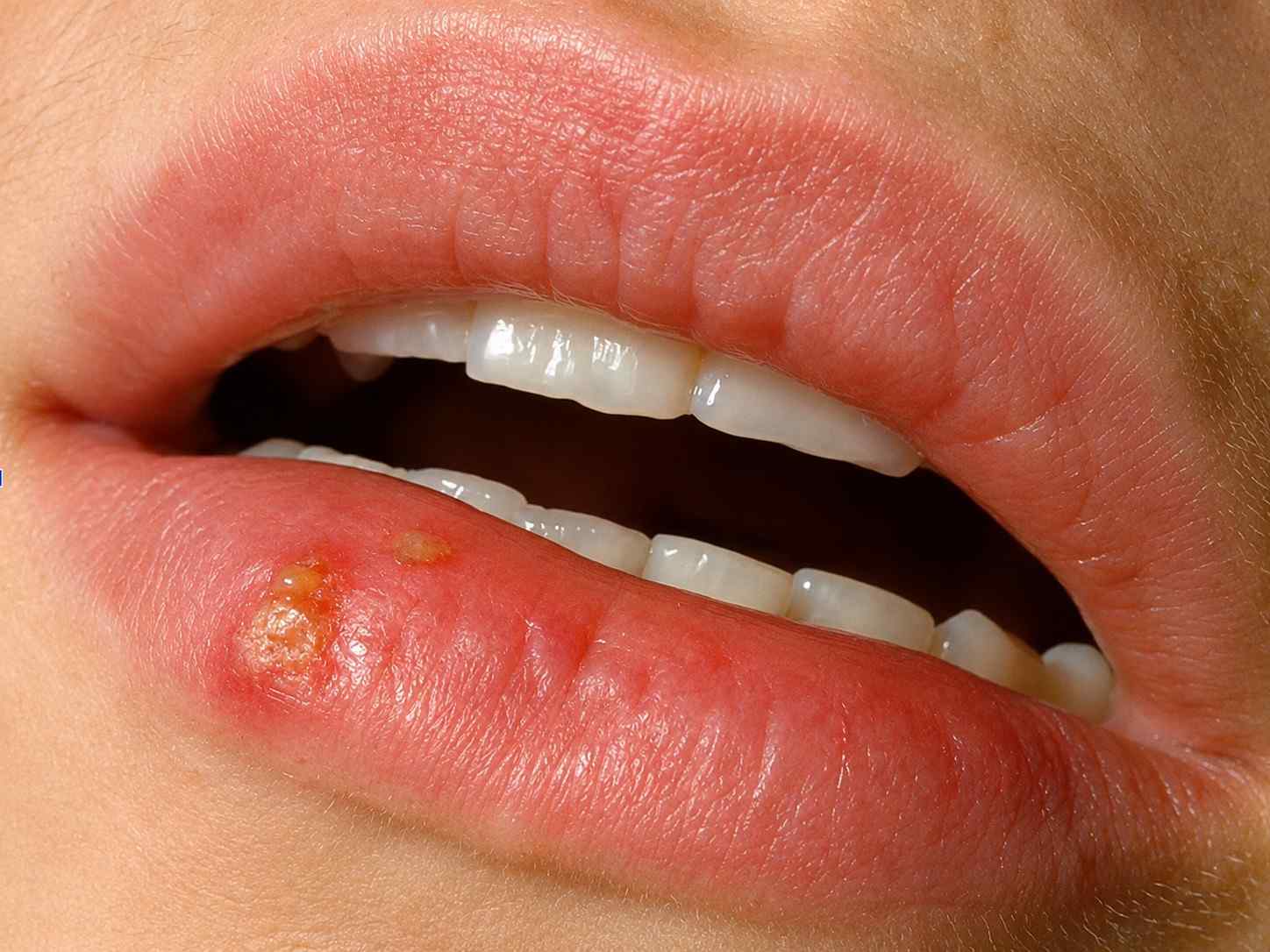
Oral herpes, commonly known as a cold sore or fever blister, is a common viral infection affecting the lips and surrounding mouth area. It can cause discomfort and affect a person's self-confidence, particularly because the sores appear on the face and may be easily noticed by others.
In Indonesia, these sores are sometimes mistaken for ordinary canker sores or a condition commonly described as panas dalam. However, their causes and treatments are different.
Understanding the symptoms, causes, and treatment options for oral herpes is an important first step toward managing the condition effectively and preventing transmission to others.
What Is Oral Herpes?
Oral herpes is a viral infection that affects the lips and mouth. It can remain in the body for life and may cause recurrent outbreaks.
It is most commonly caused by Herpes Simplex Virus Type 1 (HSV-1) and is characterized by small, fluid-filled blisters called vesicles, which may appear around the lips, at the corners of the mouth, or inside the oral cavity.
Although oral herpes is generally not dangerous for most otherwise healthy people, the virus is not completely eliminated from the body after infection.
Following the initial infection, HSV-1 remains dormant in nerve cells, commonly within the trigeminal ganglion, a collection of nerve cells associated with facial sensation.
Under certain conditions, the virus may reactivate and travel along the nerves toward the skin or mucosal surface, causing sores to appear, often in areas affected during previous outbreaks.
According to the World Health Organization (WHO), more than half of the world's population under the age of 50 has HSV-1 infection.
Many people are unaware that they carry the virus because not everyone develops noticeable symptoms.
Causes and Transmission of Oral Herpes
The primary cause of oral herpes is Herpes Simplex Virus Type 1 (HSV-1), which spreads mainly through direct contact with infected skin, sores, saliva, or oral surfaces.
Common transmission routes include:
-
Direct contact with active sores: Kissing or direct skin-to-skin contact with someone who has an active herpes sore is an important route of transmission.
-
Sharing personal items: Sharing drinking glasses, eating utensils, lip balm, or towels that have been recently contaminated with saliva or secretions from active sores may pose a transmission risk, although direct contact is the main route.
-
Oral-genital contact: HSV-1 can spread from the mouth to the genital area through oral sexual activity, potentially causing genital herpes.
-
Transmission from mother to baby: Neonatal herpes can occur when a baby is exposed to herpes simplex virus during childbirth, particularly through active genital infection. This is a serious condition that requires urgent medical attention.
One important fact is that HSV-1 may spread even when no visible sores are present.
This is known as asymptomatic viral shedding, when the virus is released from infected skin or mucosal surfaces without causing noticeable lesions.
In addition to understanding transmission, it is important to recognize factors that may trigger recurrent outbreaks.
Common triggers include:
-
Emotional or physical stress.
-
Fever or illness.
-
Extreme fatigue.
-
Excessive sun exposure.
-
Hormonal changes, including those associated with menstruation.
-
A weakened immune system due to certain diseases or medications.
In tropical climates such as Indonesia, ultraviolet (UV) exposure to the lips may be a significant trigger for some people.
Symptoms of Oral Herpes
Oral herpes symptoms typically develop through several recognizable stages: the prodromal stage, vesicular stage, and crusting stage.
Understanding these stages can help people recognize an outbreak early and distinguish oral herpes from ordinary mouth ulcers.
1. Prodromal Stage
The prodromal stage occurs before visible sores appear.
During this early phase, a person may experience:
-
Itching around the lips.
-
Tingling sensations.
-
Burning or warmth.
-
Mild pain or tenderness.
These sensations can serve as warning signs that a cold sore is about to develop.
The prodromal stage may occur approximately one to two days before the blisters become visible.
This is often the best time to begin antiviral treatment because early therapy may reduce the duration and severity of an outbreak.
People who experience recurrent cold sores may become familiar with these early warning signs, allowing them to seek treatment promptly.
2. Vesicular Stage
After the prodromal stage, small blisters filled with clear or yellowish fluid begin to appear.
These vesicles often form clusters in areas where itching, burning, or tingling was previously experienced.
The blisters may feel painful or tender when touched.
During this stage, the risk of transmission is particularly high because blister fluid contains a significant amount of virus.
Over the following days, the blisters may rupture, leaving shallow, painful open sores.
This can cause discomfort when eating, drinking, or speaking.
3. Crusting Stage
After the blisters rupture, the sores gradually dry and form yellowish or brownish crusts.
Crusting is part of the natural healing process.
It is important to avoid scratching, picking, or removing the scabs because doing so may:
-
Delay wound healing.
-
Increase the risk of secondary bacterial infection.
-
Potentially cause scarring.
In uncomplicated cases, recurrent oral herpes generally heals within approximately 7–14 days, although healing time can vary.
Medical Treatment for Oral Herpes
Although oral herpes often resolves without specific treatment, medical therapy may help shorten outbreaks, relieve discomfort, and reduce the risk of complications.
Doctors may recommend several treatment options depending on the severity and frequency of symptoms.
1. Antiviral Medications
Antiviral medications are the main medical treatment for oral herpes.
These medications work by inhibiting HSV-1 replication, helping reduce symptoms and potentially shortening the healing period.
Common antiviral medications include:
-
Acyclovir: A widely used antiviral medication available in oral and topical formulations. Intravenous acyclovir may be used for severe infections.
-
Valacyclovir: A medication that is converted into acyclovir in the body and has improved oral absorption, allowing less frequent dosing in certain treatment regimens.
-
Famciclovir: Another oral antiviral medication that may be used to treat herpes simplex infections.
The effectiveness of antiviral treatment depends partly on how early it is started.
Treatment initiated during the first warning signs or prodromal stage generally offers greater benefit than treatment started after the sores are fully developed.
These medications should be used according to a doctor's prescription and instructions.
2. Pain Relief
To manage pain and discomfort, doctors may recommend medications such as:
-
Paracetamol (acetaminophen).
-
Ibuprofen.
Ibuprofen also has anti-inflammatory properties that may help reduce pain and inflammation.
For children, medication selection and dosage must be appropriate for their age, weight, and medical condition.
Consult a healthcare professional before giving these medications to children.
3. Topical Treatments
Topical antiviral creams, such as acyclovir or penciclovir, may be applied directly to cold sores.
These treatments can provide a modest reduction in healing time, particularly when used early.
Products containing docosanol may also help shorten symptoms when started promptly.
Protective topical products, including certain zinc oxide formulations, may help shield irritated skin and reduce discomfort, although they do not eliminate the virus.
Topical treatments should be used according to professional guidance and product instructions.
Home Care for Oral Herpes
In addition to medical treatment, several home care measures may help relieve symptoms and support healing.
-
Apply a cold compress: Gently placing a clean cloth soaked in cool water over the affected area for a few minutes may reduce pain, itching, and swelling.
-
Keep the affected area clean: Wash your hands thoroughly before and after touching the sores to reduce the risk of spreading the virus.
-
Avoid popping blisters: Squeezing or deliberately rupturing blisters can delay healing and increase the risk of bacterial infection.
-
Avoid irritating foods: Very acidic, salty, or spicy foods may worsen discomfort. Choose softer, non-irritating foods during recovery.
-
Protect your lips from sunlight: If UV exposure triggers outbreaks, consider using lip balm with SPF when outdoors.
-
Get adequate rest and manage stress: Healthy sleep habits and stress management may help support overall immune health.
These self-care measures are supportive and do not replace medical treatment, particularly in severe or frequently recurring cases.
How to Prevent Oral Herpes Transmission
Because HSV-1 can spread through close contact, preventive measures are important, especially during active outbreaks.
The following practices can help reduce the risk of transmission:
-
Avoid direct contact during active outbreaks: Do not kiss others or engage in oral contact when cold sores or early warning symptoms are present.
-
Do not share personal items: Avoid sharing lip balm, toothbrushes, drinking glasses, eating utensils, or towels, particularly during an active outbreak.
-
Wash your hands regularly: Good hand hygiene helps reduce the risk of spreading HSV-1 to other body areas or to other people.
-
Protect newborns and immunocompromised individuals: Avoid kissing newborn babies or exposing people with weakened immune systems to active cold sores, as they may face a greater risk of serious complications.
-
Communicate with your partner: Discuss the risk of HSV-1 transmission, including transmission through oral contact and oral sexual activity.
Using these precautions helps protect family members, partners, and others from unnecessary exposure.
Open communication also encourages prevention without creating unnecessary stigma around a common viral infection.
When Should You See a Doctor?
Most uncomplicated cold sores heal within one to two weeks.
However, you should seek medical attention if:
-
This is your first outbreak, especially if symptoms are severe.
-
The sores have not improved after two weeks or are becoming worse.
-
The sores are extremely painful and do not respond to usual pain relief.
-
You develop a high fever.
-
You have a weakened immune system due to conditions such as HIV, cancer, or chemotherapy.
-
A newborn or young infant develops symptoms that may indicate herpes infection. Suspected neonatal herpes is a medical emergency.
-
Sores develop near the eye, or you experience eye pain, redness, or changes in vision.
-
Outbreaks occur frequently, such as more than six times a year, and interfere with your quality of life.
Do not delay seeking medical advice if you are concerned about your symptoms.
Schedule an examination through Tzu Chi Hospital WhatsApp to connect with an appropriate medical specialist, or find a doctor using the Find a Doctor feature.
Tzu Chi Hospital provides services for patients using BPJS Kesehatan, private health insurance, or self-payment, subject to applicable coverage and service conditions.
Medically reviewed by Dr. Deasy Thio, Sp.DVE, FINSDV, FAADV.