

Disease
Pancreatic Cancer: Symptoms, Stages, and Survival Rates

Written By
Admin • 12 November 2026
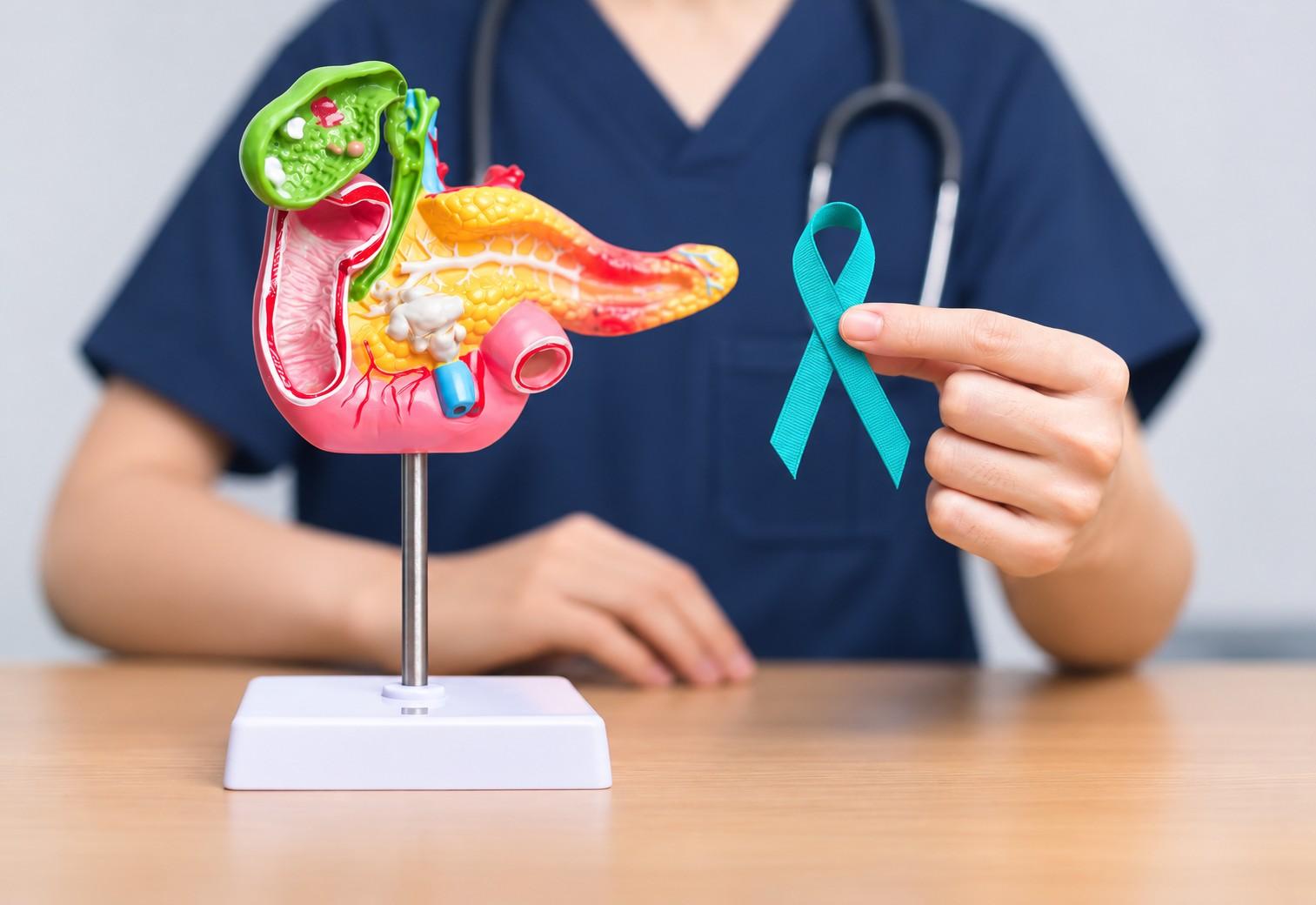
Pancreatic cancer is often described as a silent killer because it usually causes few or no noticeable symptoms in its early stages. In addition, there is currently no routine screening method recommended for the general population without symptoms.
As a result, many cases are diagnosed only after the cancer has spread to other organs, making treatment options more limited. Understanding the risk factors and recognizing possible warning signs are important steps toward earlier detection.
What Is Pancreatic Cancer?
The pancreas is an organ that plays a vital role in digestion and blood sugar regulation. It produces digestive enzymes that help break down food and hormones such as insulin and glucagon that regulate blood glucose levels.
Measuring approximately 15 cm in length, the pancreas is located behind the stomach.
The most common type of pancreatic cancer, accounting for approximately 9 out of 10 cases, develops from the pancreatic ducts. These tumors frequently occur in the head of the pancreas.
Pancreatic cancer is considered an aggressive form of cancer. Overall, approximately 12 out of every 100 patients survive for at least five years after diagnosis.
However, the five-year survival rate may be approximately 37% when the cancer is detected while still localized.
This is why recognizing possible symptoms as early as possible is important. Unfortunately, early symptoms are often vague and may be mistaken for less serious health conditions.
Symptoms of Pancreatic Cancer
Pancreatic cancer symptoms can be subtle and easily confused with other medical conditions. The following warning signs deserve attention.
1. Abdominal Pain That Radiates to the Back
A dull pain in the upper abdomen or middle back, particularly when it worsens while lying down, may be a symptom of pancreatic cancer.
This can occur when a growing tumor presses against nearby nerves and tissues, causing pain that spreads beyond the pancreas.
The discomfort may feel like burning or pressure extending from the upper abdomen toward the back. Some patients experience worsening pain after eating or changing body positions.
Because these symptoms may resemble gastritis or other digestive problems, they are sometimes overlooked.
If abdominal or back pain persists or does not improve with usual treatment, consult a doctor for further evaluation.
2. Yellowing of the Skin and Eyes (Jaundice)
Yellowing of the skin and the whites of the eyes is known medically as jaundice.
This can develop when a tumor located in the head of the pancreas blocks the bile duct, causing bilirubin to accumulate in the bloodstream.
Other associated symptoms may include:
-
Dark urine resembling strong tea.
-
Pale or grayish stools.
-
Itching throughout the body.
Jaundice caused by bile duct obstruction does not always produce severe pain.
Because jaundice can have several possible causes, prompt medical evaluation is essential.
3. Sudden Onset of Diabetes
Newly diagnosed diabetes, particularly in adults over 50 without clear risk factors, may occasionally be associated with pancreatic cancer.
The pancreas produces insulin, a hormone responsible for regulating blood glucose levels.
A pancreatic tumor may interfere with insulin production or function, potentially affecting blood sugar control.
Research estimates that approximately 1 in 100 adults diagnosed with new-onset diabetes after age 50 may have previously undetected pancreatic cancer.
However, most cases of newly diagnosed diabetes are not caused by pancreatic cancer.
If diabetes develops unexpectedly, especially when accompanied by unexplained weight loss, discuss the need for further evaluation with your doctor.
4. Unexplained Weight Loss
Significant weight loss without an obvious cause, particularly when accompanied by reduced appetite, is an important symptom to investigate.
Pancreatic cancer may interfere with digestion and nutrient absorption by affecting the production or flow of digestive enzymes.
Cancer-related metabolic changes and inflammation may also contribute to the loss of muscle and body fat.
This type of severe weight and muscle loss associated with serious illness is known as cachexia.
If you notice unexplained weight loss despite no significant changes in diet or physical activity, consult a healthcare professional.
5. Nausea and Digestive Problems
Persistent nausea, bloating, and indigestion may occur if a pancreatic tumor interferes with the digestive tract or normal pancreatic function.
When insufficient digestive enzymes reach the intestines, the body may have difficulty digesting fats.
This may cause stools that are:
-
Greasy or oily.
-
Floating in the toilet.
-
Unusually foul-smelling.
If digestive symptoms persist for more than two or three weeks or do not improve with usual treatment, medical evaluation is recommended.
6. Deep Vein Thrombosis (DVT)
Deep vein thrombosis (DVT) is a blood clot that forms in a deep vein, commonly in the legs.
Pancreatic cancer may increase the tendency for blood clots to develop.
Possible symptoms include:
-
Swelling in one leg.
-
Pain in the calf or lower limb.
-
Redness or warmth around the affected area.
Although DVT can have many causes, unexplained or recurrent blood clots may require further investigation.
Suspected DVT requires prompt medical assessment because blood clots can lead to serious complications.
Causes and Risk Factors of Pancreatic Cancer
Pancreatic cancer generally does not develop from a single cause.
Its risk is influenced by a combination of lifestyle factors, underlying medical conditions, and genetic predisposition.
1. Smoking
Smoking is one of the most important modifiable risk factors for pancreatic cancer.
People who smoke have approximately twice the risk of developing pancreatic cancer compared with those who have never smoked.
Carcinogenic substances in tobacco smoke enter the bloodstream and may contribute to cellular damage.
Quitting smoking gradually reduces this risk. After approximately ten years without smoking, the risk may approach that of people who have never smoked.
2. Type 2 Diabetes Mellitus
Type 2 diabetes and pancreatic cancer have a complex, two-way relationship.
Long-standing diabetes is associated with an increased risk of pancreatic cancer. Conversely, pancreatic cancer may sometimes cause new-onset diabetes.
Metabolic changes, insulin resistance, and altered hormone levels may contribute to this association.
Proper diabetes management remains essential for overall health and the prevention of complications.
3. Obesity
Obesity has been associated with an approximately 20% higher risk of pancreatic cancer compared with maintaining a healthy body weight.
Excess body fat, particularly around abdominal organs, is associated with metabolic changes and chronic inflammation.
Obesity also frequently occurs alongside type 2 diabetes, another potential risk factor.
4. Chronic Pancreatitis
Chronic pancreatitis is long-term or recurrent inflammation of the pancreas.
Persistent inflammation may damage pancreatic tissues and increase the risk of cellular changes that can eventually contribute to cancer development.
Long-term excessive alcohol consumption is one possible cause of chronic pancreatitis.
People with chronic pancreatitis may require ongoing medical monitoring and appropriate treatment.
5. Family History and Genetic Factors
Approximately 1 in 10 cases of pancreatic cancer is associated with hereditary factors or a family history of the disease.
Risk may be higher for individuals with close relatives who have been diagnosed with pancreatic cancer.
Some genetic changes associated with pancreatic cancer are also linked to breast and ovarian cancers, including mutations in the BRCA2 gene.
Genetic counseling can help determine whether genetic testing or specialized surveillance is appropriate.
6. Exposure to Industrial Chemicals
Long-term exposure to certain industrial chemicals, including some solvents and pesticides, has been investigated as a possible risk factor for pancreatic cancer.
Workers who frequently handle these substances should follow occupational safety guidelines, use appropriate personal protective equipment, and undergo medical examinations when recommended.
How Is Pancreatic Cancer Diagnosed?
Diagnosing pancreatic cancer may require several examinations to determine whether a tumor is present and assess its location, size, and possible spread.
Common diagnostic methods include:
-
CT Scan or MRI: Imaging examinations that help doctors assess the pancreas, tumor location, nearby blood vessels, and possible cancer spread.
-
Endoscopic Ultrasound (EUS): A procedure using an endoscope equipped with ultrasound technology to examine the pancreas closely. Doctors may also obtain a tissue sample through a biopsy when indicated.
-
CA 19-9 Blood Test: A tumor marker that may support disease evaluation but cannot independently confirm pancreatic cancer. Levels may also increase in noncancerous conditions, including bile duct or pancreatic inflammation.
For individuals with certain inherited genetic risks or a strong family history, periodic surveillance with EUS or MRI may be considered.
The recommended starting age depends on the genetic condition and family history. In some high-risk groups, surveillance may begin around ages 40–50 or ten years before the youngest pancreatic cancer diagnosis in the family.
Treatment Options for Pancreatic Cancer
Treatment depends on the cancer stage, tumor location, involvement of surrounding blood vessels, possible spread, and the patient's overall health.
1. Whipple Procedure (Pancreaticoduodenectomy)
The Whipple procedure is a major operation that may be performed for cancer located in the head of the pancreas when the tumor can be surgically removed.
The procedure typically involves removing:
-
The head of the pancreas.
-
The duodenum.
-
The gallbladder.
-
Part of the bile duct.
-
In certain surgical techniques, part of the stomach.
The surgeon then reconstructs the digestive tract to allow digestive processes to continue.
In selected patients and at appropriately experienced centers, the procedure may be performed using laparoscopic or robotic techniques.
The choice of surgical approach depends on the patient's condition, tumor characteristics, and the surgical team's expertise.
Approximately 15–20% of patients are diagnosed when their cancer may still be considered surgically resectable.
2. Distal Pancreatectomy
Distal pancreatectomy is a surgical procedure that removes the body or tail of the pancreas affected by cancer.
In some cases, the spleen must also be removed because of its close anatomical relationship and shared blood supply.
This procedure may offer a potentially curative treatment option when a tumor remains suitable for surgical removal.
3. Adjuvant and Neoadjuvant Chemotherapy
Chemotherapy uses medications to destroy cancer cells or inhibit their growth.
Depending on treatment goals, chemotherapy may be given:
-
After surgery (adjuvant chemotherapy): To reduce the risk of recurrence from cancer cells that may remain.
-
Before surgery (neoadjuvant chemotherapy): To control the disease, shrink certain tumors, and potentially improve the chance of successful surgery in selected cases.
Doctors choose the treatment regimen based on the patient's physical condition, organ function, disease stage, and tumor characteristics.
4. Radiation Therapy
Radiation therapy uses high-energy radiation to damage and destroy cancer cells.
For pancreatic cancer, it may be considered in selected circumstances, including locally advanced disease, as part of a combined treatment approach, or to help control symptoms.
Modern radiation technologies allow more precise treatment planning to limit unnecessary exposure to nearby healthy tissues.
5. Targeted Therapy
Targeted therapy is designed to act against specific molecular characteristics of cancer cells.
These treatments are suitable only for certain patients whose tumors have relevant genetic alterations or biomarkers.
For example, patients with certain inherited or tumor-associated genetic changes, including alterations involving the BRCA pathway, may qualify for selected targeted treatments.
Molecular testing may help doctors identify appropriate treatment options.
How to Reduce the Risk of Pancreatic Cancer
Not all pancreatic cancers can be prevented, especially those associated with inherited genetic factors.
However, several lifestyle measures may help reduce risk.
1. Quit Smoking
Quitting smoking is among the most important steps to reduce pancreatic cancer risk.
The risk gradually decreases after smoking cessation.
Smoking cessation support may be available through community health centers, hospitals, and counseling programs.
2. Maintain a Healthy Weight and Stay Physically Active
Maintaining a healthy body weight and exercising regularly can support metabolic health.
For example, walking for 30 minutes a day, five days a week, may be beneficial depending on individual physical abilities.
A balanced diet rich in vegetables, fruits, and whole grains, while limiting processed meats and high-sugar foods, is also recommended.
3. Limit Alcohol Consumption
Excessive alcohol consumption can increase the risk of chronic pancreatitis, which is associated with pancreatic cancer.
Limiting or avoiding alcohol can help protect the pancreas and other organs.
4. Manage Diabetes Effectively
For people with diabetes, maintaining appropriate blood glucose control helps prevent complications and supports metabolic health.
Important measures include taking prescribed medications, monitoring blood glucose, following dietary recommendations, and remaining physically active.
5. Consider Genetic Counseling If You Have a Family History
If a close family member has been diagnosed with pancreatic cancer, discuss this history with your doctor.
Genetic testing may be considered to identify mutations in genes such as BRCA2, PALB2, or other relevant genes.
For individuals who meet high-risk criteria, doctors may recommend surveillance using MRI or EUS.
When Should You See a Doctor?
Consult a doctor promptly if you experience abdominal pain radiating to the back, yellowing of the skin or eyes, sudden-onset or unexpectedly worsening diabetes, unexplained weight loss, persistent nausea, or unexplained blood clots.
People with a family history of pancreatic cancer or certain inherited genetic mutations should discuss their need for specialized surveillance before symptoms develop.
Do not delay medical evaluation if you experience concerning symptoms.
Schedule an appointment through Tzu Chi Hospital WhatsApp or use the Find a Doctor feature to locate an appropriate medical specialist.
Tzu Chi Hospital serves patients using BPJS Kesehatan, private health insurance, and self-payment options, subject to applicable service requirements.
Medically reviewed by Dr. Rajesh Kalwani, Sp.PD-KHOM, FINASIM
References
-
American Cancer Society. (2024). Cancer Information & Resources. cancer.org
-
World Health Organization. (2023). Cancer Fact Sheet. who.int
-
Mayo Clinic. (2024). Cancer – Symptoms and Causes. mayoclinic.org
-
Cleveland Clinic. (2024). Cancer: Types, Symptoms & Treatments. my.clevelandclinic.org
-
Indonesian Ministry of Health. (2022). National Guidelines for Cancer Management. kemkes.go.id
Topic