
Nutrition
12 Health Benefits of Chia Seeds for Your Body and Digestive Health

Written By
Admin • 20 November 2026
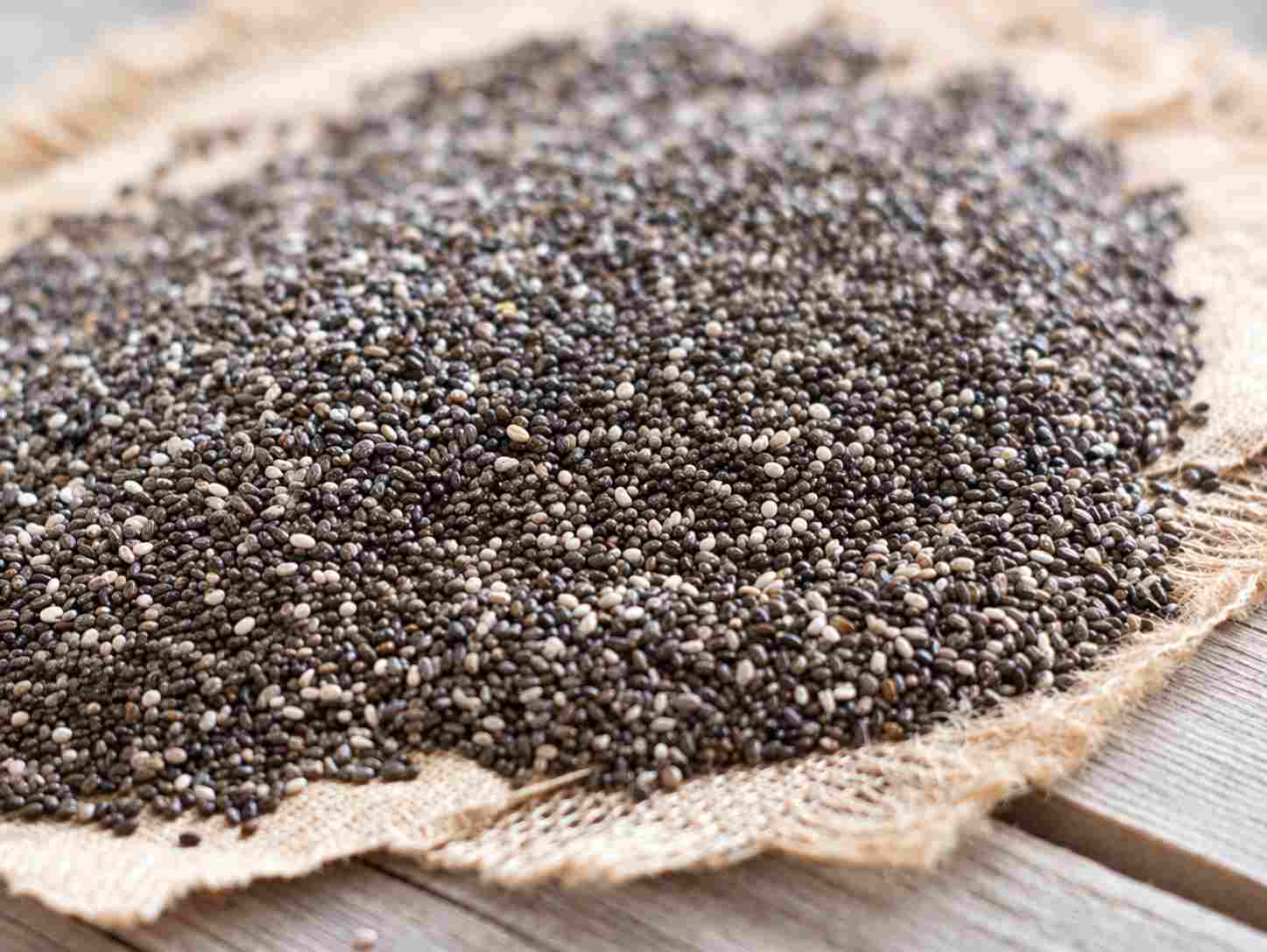
Chia seeds are becoming increasingly popular as a healthy food ingredient that can easily be incorporated into daily meals. These tiny black and white seeds are known for being rich in fiber, plant-based protein, and omega-3 fatty acids, which are important for the body. Beyond providing essential nutrients, chia seeds are also associated with digestive health, heart health, and weight management. But are all these benefits medically proven? How much chia seed should you consume daily? Read on to learn more about their health benefits, nutritional content, and safe ways to consume them.
What Are Chia Seeds?
Chia seeds are the seeds of the Salvia hispanica L. plant, which originates from Mexico and Guatemala. This plant belongs to the mint family, or Lamiaceae, and has long been used as a food source.
Chia seeds are small and typically come in black, white, or gray varieties. Despite their small size, they contain various essential nutrients, including fiber, protein, healthy fats, vitamins, and minerals.
One of their distinctive characteristics is their ability to absorb water and form a gel-like texture when soaked. This makes chia seeds a popular addition to smoothies, oatmeal, yogurt, and puddings.
Nutritional Content of Chia Seeds
Chia seeds contain a wide range of nutrients. Approximately 28 grams, or 2 tablespoons, provide:
-
Calories: approximately 140 kcal.
-
Protein: approximately 4 grams.
-
Fiber: approximately 11 grams.
-
Unsaturated fats: approximately 7 grams.
-
Calcium: approximately 18% of the daily requirement.
-
Omega-3: primarily in the form of alpha-linolenic acid (ALA).
-
Minerals: phosphorus, magnesium, zinc, and copper.
This combination of nutrients makes chia seeds a good plant-based source of fiber and omega-3 fatty acids.
Health Benefits of Chia Seeds for Digestive Health
The fiber content in chia seeds helps support digestive function. Fiber can increase stool bulk and help maintain regular bowel movements.
When exposed to liquid, chia seeds form a gel that helps retain moisture in the stool. However, this benefit should be supported by adequate water intake and a balanced diet.
1. Helps Prevent Constipation
One of the benefits of chia seeds is their ability to help meet daily fiber requirements. Adequate fiber intake can promote regular bowel movements and reduce the risk of constipation.
For people who follow a low-fiber diet, chia seeds can be a convenient addition to daily meals. It is best to increase consumption gradually to allow the body to adjust to the higher fiber intake.
2. Helps Maintain Heart Health
Chia seeds contain plant-based omega-3 fatty acids in the form of ALA, which play a role in supporting heart health.
Their fiber content may also help manage cholesterol levels as part of a healthy diet. However, consuming chia seeds alone has not been proven to prevent heart disease or replace medical treatment.
3. Helps Manage Cholesterol Levels
The fiber in chia seeds may help reduce cholesterol absorption in the digestive tract. This may support the management of blood cholesterol levels.
However, research findings regarding the direct effects of chia seeds on LDL and HDL cholesterol remain mixed. Therefore, they should be consumed as part of a diet that is low in saturated fat and rich in fiber.
4. Helps Maintain Blood Sugar Levels
The fiber in chia seeds can slow digestion and carbohydrate absorption when consumed with meals.
This may help control increases in blood sugar levels after eating. However, clinical studies have not demonstrated consistent benefits for fasting blood glucose or HbA1c levels.
People with diabetes should continue following their prescribed dietary plans and medical treatment.
5. Supports Weight Management
Chia seeds can absorb liquid and form a gel, which may help promote a feeling of fullness. Their fiber and protein content can also help maintain satiety.
Including chia seeds in a balanced diet may help with appetite management. However, chia seeds are not fat-burning foods and do not directly cause weight loss.
6. Provides Plant-Based Omega-3
Chia seeds are a source of alpha-linolenic acid (ALA), a type of omega-3 fatty acid that the body cannot produce on its own.
ALA plays a role in various bodily functions, including supporting cell health and cardiovascular function. However, ALA differs from EPA and DHA, which are commonly found in fatty fish.
7. Helps Meet Protein Requirements
In addition to fiber and healthy fats, chia seeds also contain plant-based protein. Protein is essential for building and repairing body tissues and maintaining muscle mass.
Chia seeds can be added to oatmeal, yogurt, or smoothies as a supplement to other protein sources.
8. Supports Bone Health
Chia seeds contain calcium, phosphorus, and magnesium, which play important roles in maintaining bone structure and strength.
These minerals can help contribute to daily nutritional requirements. However, bone health also requires adequate nutrition, vitamin D, physical activity, and appropriate sunlight exposure.
9. Contains Antioxidants
Chia seeds contain antioxidant compounds that help protect body cells from damage caused by free radicals.
Antioxidants play a role in maintaining the balance of oxidative processes in the body. Nevertheless, consuming chia seeds does not eliminate the risk of chronic diseases.
10. Helps You Feel Full Longer
The combination of fiber, protein, and the ability of chia seeds to absorb liquid may help promote a longer-lasting feeling of fullness.
This makes them a useful addition to breakfast or snacks. Choose food combinations without excessive added sugar to optimize their nutritional benefits.
11. Supports Nutritional Needs for Vegetarians
For people following a vegetarian diet, chia seeds can provide additional plant-based protein, omega-3 ALA, and minerals.
They can also be easily combined with various foods, such as soy milk, nuts, fruits, and oatmeal.
12. Helps Increase Daily Fiber Intake
Daily fiber requirements are often not met due to insufficient consumption of fruits, vegetables, and whole grains.
Adding chia seeds to meals can help increase daily fiber intake. However, fiber sources should remain varied to ensure the body receives a wide range of nutrients.
How to Consume Chia Seeds Properly
Chia seeds can be consumed in various ways and easily incorporated into everyday meals. For better consumption and comfort, chia seeds should be mixed with liquid and allowed to expand before eating.
Some ways to consume chia seeds include:
-
Chia Water: Mix chia seeds with drinking water and let them sit until they form a gel-like texture.
-
Chia Pudding: Soak chia seeds in cow's milk or plant-based milk, then refrigerate until thickened.
-
Yogurt Topping: Add chia seeds to unsweetened yogurt as a breakfast option or snack.
-
Oatmeal Mix: Add chia seeds to oatmeal to increase its fiber and nutritional content.
-
Fruit Smoothies: Blend chia seeds into fruit smoothies to add texture and nutrients.
Make sure the chia seeds have absorbed enough liquid before consuming them. Avoid swallowing dry chia seeds directly because they can expand when exposed to liquid.
How Much Chia Seed Should You Consume Daily?
Chia seeds are high in fiber, so their consumption should be adjusted according to individual needs. As a general guideline, approximately 1–2 tablespoons, or 15–28 grams, can be included in a daily diet.
However, this amount is not a mandatory requirement for everyone. Several factors should be considered when determining the appropriate intake:
-
Daily fiber requirements: Adjust the amount according to the fiber already obtained from other foods.
-
Digestive condition: People who are not accustomed to high-fiber foods should start with smaller portions.
-
Fluid intake: Ensure adequate water consumption to support the function of fiber in the digestive system.
-
Health conditions: Adjust consumption according to medical conditions and healthcare professional recommendations.
If you are new to consuming chia seeds, gradually increase your intake to help your body adapt.
Side Effects of Consuming Too Many Chia Seeds
Although chia seeds are nutrient-rich, excessive consumption or insufficient fluid intake may cause several side effects, including:
-
Bloating: A sudden increase in fiber intake may increase gas production in the digestive tract.
-
Constipation: Excessive fiber intake without adequate fluids may worsen constipation.
-
Diarrhea: A sudden increase in fiber consumption may cause changes in bowel movement frequency.
-
Abdominal discomfort: Some people may experience cramps or abdominal fullness while adapting to increased fiber intake.
To reduce these risks, consume chia seeds according to your needs and increase your intake gradually.
Who Should Be Careful When Consuming Chia Seeds?
Although chia seeds can be part of a healthy diet, they may require special consideration for certain individuals. The following groups should pay attention to how much and how they consume chia seeds:
-
People with swallowing difficulties: Dry chia seeds can expand after exposure to liquid and may pose a risk of esophageal blockage.
-
People with a history of chia seed allergies: Avoid consumption if you have a known chia seed allergy or have experienced an allergic reaction after eating them.
-
People taking blood pressure medication: Consult a doctor, as consuming large amounts may potentially affect blood pressure.
-
People with diabetes: Pay attention to your overall diet and monitor blood sugar levels, especially if you are taking glucose-lowering medication.
-
People with certain digestive disorders: Increased fiber intake should be adjusted according to individual digestive conditions and tolerance.
If you have an existing medical condition or take regular medication, consult your doctor before making chia seeds a regular part of your diet.
Tips for Choosing and Storing Chia Seeds Safely
In addition to monitoring consumption, the quality and storage of chia seeds are important for maintaining their safety and nutritional value.
Here are some tips to consider:
-
Choose quality products: Make sure the packaging is sealed, undamaged, and clearly displays the expiration date.
-
Check the seeds: Choose clean, dry chia seeds without signs of discoloration or mold.
-
Store in an airtight container: Keep chia seeds in an airtight container to protect them from moisture and contamination.
-
Avoid heat and direct sunlight: Store them in a cool, dry place to help maintain their quality.
-
Check storage duration: Follow the storage instructions on the packaging and discard the product if it develops a rancid smell or signs of spoilage.
By choosing quality products and storing them properly, chia seeds can become a convenient nutritional addition to a healthy daily diet.
Frequently Asked Questions About Chia Seeds
1. Can Chia Seeds Be Consumed Every Day?
Yes. Chia seeds can be consumed daily in moderate amounts as part of a balanced diet. Pay attention to portion sizes, fluid intake, and individual health conditions.
2. Can Chia Seeds Help with Weight Loss?
Chia seeds may help you feel full longer due to their fiber content. However, weight loss still requires calorie management, a balanced diet, and regular physical activity.
3. Do Chia Seeds Need to Be Soaked Before Consumption?
It is recommended. Chia seeds absorb liquid and expand, making them more suitable for consumption after soaking or mixing with sufficiently moist foods.
4. Can People with Diabetes Consume Chia Seeds?
Generally, yes. Chia seeds contain fiber and are relatively low in available carbohydrates. However, portions should be adjusted according to individual nutritional needs and blood sugar management.
5. When Is the Best Time to Consume Chia Seeds?
Chia seeds can be consumed at breakfast, lunch, or as a snack. There is no specific time proven to provide greater benefits. The most important factors are the amount and method of consumption.
When Should You Consult a Doctor?
Although chia seeds can be a healthy addition to your diet, nutritional needs and health conditions vary from person to person. You should consult a doctor if you experience symptoms after consuming chia seeds or have certain medical conditions.
Seek medical advice if you experience:
-
Persistent bloating, abdominal pain, or constipation.
-
Allergic reactions such as itching, rashes, swelling, or shortness of breath after consuming chia seeds. If you experience shortness of breath or swelling of the face and throat, seek emergency medical attention immediately.
-
Difficulty swallowing after consuming chia seeds.
-
Changes in blood sugar or blood pressure levels, especially if you are undergoing medical treatment.
-
Difficulty managing your diet or determining your daily nutritional requirements.
To receive recommendations on chia seed consumption based on your individual needs, you can consult a Clinical Nutrition Specialist. The doctor can help evaluate your nutritional requirements, health conditions, and appropriate dietary plan.
Discuss your nutritional needs with Tzu Chi Hospital.
Find a Doctor and consult a Clinical Nutrition Specialist at Tzu Chi Hospital. You can also schedule a consultation through Tzu Chi Hospital WhatsApp or contact our Call Center at 021 5095 0888.
Article reviewed by Dr. Dian Araminta Ramadhania, M.Gizi, Sp.GK
Topic