

Kesehatan Ibu dan Anak
Medicine for Children’s Stomach Aches: Safe Options and How to Use Them

Written By
Admin • 25 November 2026
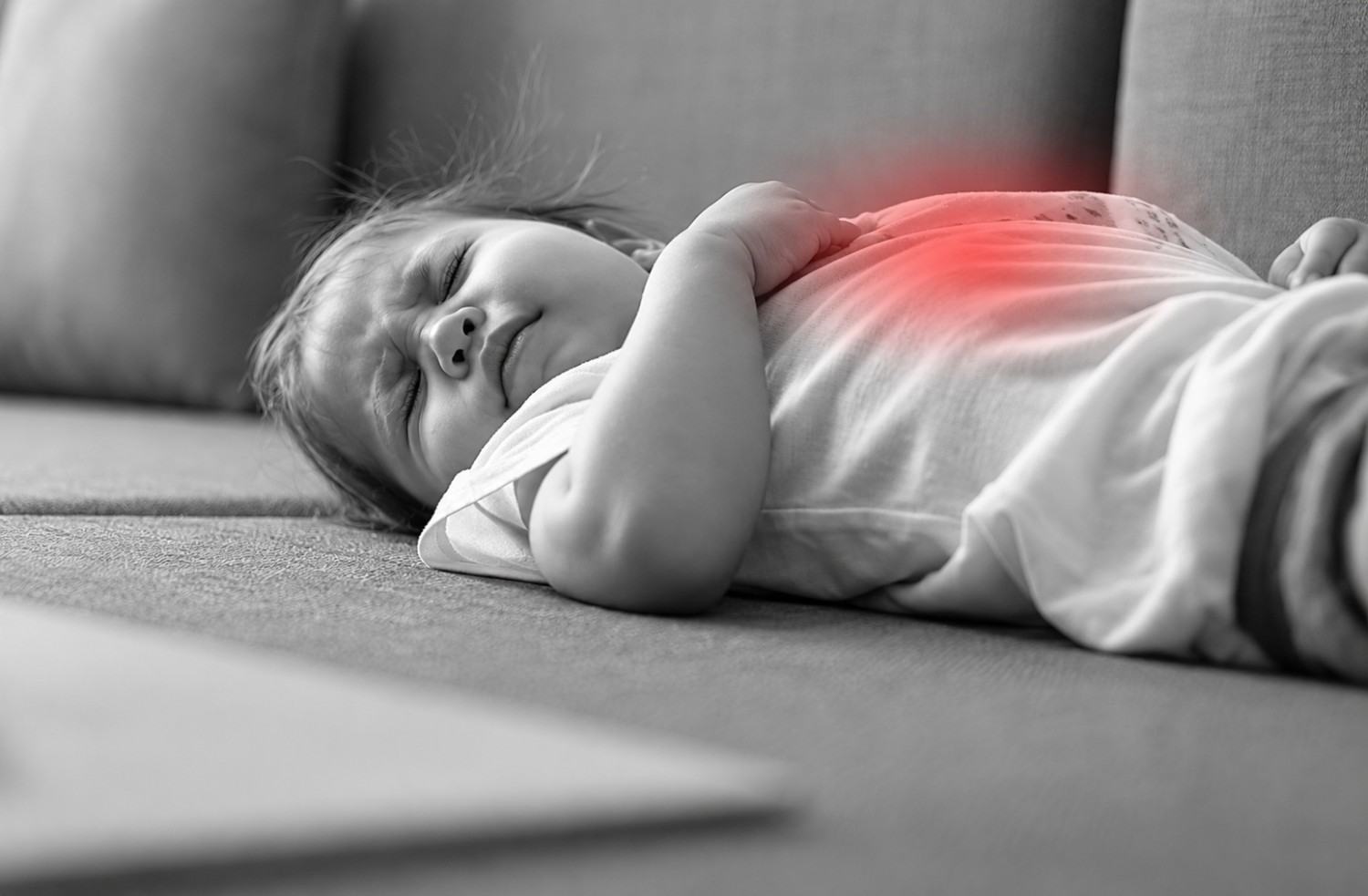
Stomach ache is one of the most common complaints parents face in their children. It can have many causes, from excess gas and mild indigestion to conditions that need urgent medical care.
Many parents' first reaction is to panic and rush to the nearest pharmacy for medicine. In fact, not every stomach ache needs medicine, and choosing the wrong one can make things worse.
That is why knowing which medicines are right and safe for children is important knowledge for every parent. Understanding when to seek a doctor's help also lets you make calm, well-targeted decisions.
What Is Stomach Ache in Children?
Stomach ache in children is very common; almost every child has it several times a year. Causes vary, including excess gas (colic), constipation, gastrointestinal infection (gastroenteritis), lactose intolerance, and serious conditions such as appendicitis.
In babies and young children, this complaint is hard to identify because they cannot yet describe their pain. Parents need to read body language carefully, such as unusual crying, pulling the legs up to the tummy, or refusing to eat. Watching for accompanying symptoms such as fever, changes in bowel habits, or vomiting helps decide whether a child needs a doctor or can be cared for at home.
Choosing the right medicine must take into account the child's age, weight, the cause of the stomach ache, and their overall health. Giving the wrong medicine, for example anti-nausea medicine for pain caused by constipation, is not only ineffective but can also delay the treatment that is actually needed.
Safe Medicine Options for Children's Stomach Aches
Several types of medicine are relatively safe for relieving stomach aches in children, depending on the cause. Here are the commonly used options, how they work, and how to use them.
Simethicone for Excess Gas and Colic
Simethicone is the most commonly used medicine for excess gas in babies and young children. It is easy to find in pharmacies across Indonesia as drops or syrup.
It works by breaking down large gas bubbles in the digestive tract into smaller bubbles that merge, so gas is more easily released through burping or passing wind and pressure on the intestinal wall is reduced. Simethicone is considered very safe because it is not absorbed into the bloodstream, works locally in the digestive tract, and is listed among medicines recognised as safe by WHO, even for babies.
For babies under 6 months, simethicone is available as drops. The recommended dose is usually a few drops per dose, given about 4 times a day after feeds and before bedtime, according to the dose on the package. Always use the measuring dropper provided to avoid overdosing, and consult a doctor first before giving simethicone to newborns or premature babies.
Domperidone for Nausea and Vomiting in Children
Domperidone is a prokinetic medicine used to treat nausea, vomiting, and a feeling of fullness, especially when a child's stomach empties slowly. It works by speeding up stomach emptying, strengthening the valve muscle between the stomach and oesophagus, and calming the brain's nausea control centre, reducing the risk of reflux and the urge to vomit.
Domperidone is available as syrup and suppositories for children. Suppositories are especially useful when a child cannot swallow medicine because of severe vomiting. It must be used under a doctor's supervision because it can cause heart rhythm disturbances at high doses or with long-term use, and it is not recommended for babies under 1 year without a doctor's prescription. Some antibiotics and antifungal medicines can also increase domperidone levels in the body, so consulting a doctor or pharmacist before use is very important.
Paracetamol for Colic and Stomach Pain with Fever
Paracetamol (acetaminophen) is a pain reliever and fever reducer that is safe for children when a stomach ache comes with fever or significant pain. Unlike ibuprofen, which can irritate the stomach lining, paracetamol does not disturb the stomach's protective lining, making it gentler on a sensitive digestive tract.
The paracetamol dose for children is calculated by body weight and can be given every 4–6 hours as needed, up to the maximum stated on the package. Use a child-appropriate form (children's syrup or suppository) and avoid giving it to babies under 3 months without a doctor's advice. Note that aspirin must not be given to children because of the risk of Reye's syndrome. Parents should also be careful, because many children's fever and cold products already contain paracetamol, so giving two medicines at once can lead to an accidental overdose.
Colic in Babies: Understanding and Managing It
Colic is one of the most common causes of excessive crying in babies and often worries parents. Here is an explanation of what colic is and how to manage it at home.
What Is Colic in Babies?
Colic is a condition in which a baby cries excessively, usually for more than 3 hours a day, more than 3 days a week, for more than 3 weeks, a pattern often called the “rule of threes”. It most often occurs in babies from 2–4 weeks to 3–4 months old and often makes new parents anxious because no clear cause can be found.
The exact cause of colic is not fully understood, but it is thought to be linked to excess gas, a still-developing digestive system, and sensitivity to environmental stimuli. Recent research also shows that an imbalance of good bacteria in the baby's gut plays a role, so certain probiotics are now being suggested for some breastfed babies. Colic symptoms include loud crying that is hard to stop, a red face, a tense-looking tummy, and pulling the legs up to the tummy. The good news is that almost all cases of colic resolve on their own by the time the baby is 4 months old, with no long-term effects.
Managing Colic at Home
Besides simethicone, several non-drug methods can help ease colic, including holding the baby face down along your forearm (football hold), gently massaging the baby's tummy clockwise, using white noise such as the sound of a fan, and making sure breastfeeding technique is correct to reduce swallowed air.
If you are breastfeeding, cutting back on certain foods such as cow's milk, soy, or spicy foods may help show whether they are linked to your baby's colic. Some research shows that some breastfed babies become calmer after their mother avoids cow's milk products for one to two weeks, but this step should be taken on a doctor's advice so that the mother's nutrition is maintained. Parents should not rush to change formula or give extra medicine without consultation, as unguided changes can disrupt the baby's nutrition.
When Should You Take Your Child to the Emergency Room?
Not every stomach ache in children is dangerous, but certain conditions require emergency care. Here are the warning signs that need urgent attention and the conditions that should be evaluated by a doctor.
Warning Signs That Need Immediate Treatment
Some warning signs (red flags) require urgent medical evaluation, even at the emergency room (ER). Recognising these signs quickly can be decisive for a child's safety, because conditions such as appendicitis or bowel obstruction can worsen within hours.
Take your child to the ER immediately if they show:
- very severe stomach pain that does not improve within 2 hours;
- a tummy that feels hard like a board when touched;
- stomach pain with a high fever (above 39°C) in babies under 3 months;
- vomit containing blood or that is green (bile);
- bloody stools or black, tar-like stools;
- a tummy that looks abnormally swollen;
- severe pain in the lower right abdomen (possible appendicitis);
- looking very weak, pale, or less alert;
- signs of severe dehydration, such as a very dry mouth, no tears when crying, and no urination for more than 8 hours.
Conditions That Should Be Evaluated by a Doctor (Non-Emergency)
Some conditions need a doctor's consultation even though they are not emergencies, such as recurrent stomach aches (more than 2–3 episodes a month), chronic constipation, persistent bloating, and loss of appetite with weight loss. These need further evaluation because they may signal a digestive disorder whose cause needs to be confirmed.
The doctor will usually recommend supporting tests such as an abdominal ultrasound or blood and stool tests to confirm the diagnosis. Recurrent stomach aches in school-age children are sometimes linked to psychological factors such as exam anxiety, so a doctor's evaluation helps separate physical causes from emotional triggers.
Common Causes of Stomach Ache in Children and How to Treat Them
Besides colic, several other causes often trigger stomach aches in children, including gastroenteritis and constipation. Understanding each cause helps parents choose the most appropriate management.
Gastroenteritis (Diarrhoea and Vomiting)
Gastroenteritis, or gastrointestinal infection, is the most common cause of sudden stomach ache in children, especially in Indonesia's tropical climate, which makes it easier for germs to spread through unclean food and water. Symptoms include diarrhoea, vomiting, nausea, and sometimes fever, which occur because the inflamed intestinal wall cannot absorb fluid properly. The main treatment is keeping the child well hydrated with oral rehydration solution (ORS), given little by little but often so as not to trigger more vomiting. WHO-recommended ORS contains the right mix of sugar and mineral salts and is more effective than sweet drinks or plain water in preventing dehydration.
Parents should avoid giving anti-diarrhoeal medicine without a prescription to children under 12, as these medicines can actually keep germs trapped in the gut. With proper ORS, most mild cases of gastroenteritis can recover at home within a few days. Consult a doctor promptly if your child shows signs of dehydration.
Constipation
Constipation, or difficulty passing stools, is a common cause of chronic stomach ache in children, often triggered by a low-fibre diet, not drinking enough, or a habit of holding in stools. Passing stools fewer than 3 times a week, hard stools that are difficult to pass, and pain when passing stools are the main symptoms. This pain makes the child even more afraid to go, so stools build up and harden.
Treatment includes increasing fibre and fluid intake and physical activity that stimulates bowel movement. A high-fibre diet with fruits such as papaya, pear, and kiwi has been shown to soften stools naturally. Getting your child into the habit of going to the toilet at regular times, for example after breakfast, trains the bowel to work more rhythmically and reduces the risk of recurrent constipation. If needed, the doctor may prescribe a mild laxative.
When Should You See a Doctor?
Most stomach aches in children are mild, but some conditions require prompt medical evaluation. Watch for very severe stomach pain, pain that does not improve within a few hours, or pain with unusual symptoms such as a board-hard tummy, bloody or green vomit, bloody stools, severe pain in the lower right abdomen, and signs of severe dehydration such as a very dry mouth and no urination for more than 8 hours.
Medicine should always match the cause and dose, especially for babies under 1 year, who are much more sensitive to side effects. Don't delay medical evaluation; early detection helps tell mild complaints apart from dangerous conditions, so your child avoids complications that could have been prevented.
If your little one often has stomach aches or you are unsure about their digestive health, don't delay a consultation. Book a check-up via WhatsApp Tzu Chi Hospital or find the right specialist through Find a Doctor. Tzu Chi Hospital serves patients with BPJS Kesehatan, insurance, or self-pay.
This article has been reviewed by Dr. Amelia, Sp.A
References
- American Academy of Pediatrics. (2024). Clinical Practice Guideline for the Evaluation of Acute Abdominal Pain in Children. Pediatrics.
- World Health Organization. (2023). The Treatment of Diarrhoea: A Manual for Physicians and Other Senior Health Workers. WHO Press.
- Vandenplas, Y., et al. (2023). Pediatric Gastroesophageal Reflux Clinical Practice Guidelines. Journal of Pediatric Gastroenterology and Nutrition, 76(1), 3–22.
- Hyman, P.E., et al. (2022). Childhood Functional Gastrointestinal Disorders: Neonate/Toddler. Gastroenterology, 162(4), 1090–1107.
- Kementerian Kesehatan Republik Indonesia. (2023). Pedoman Penggunaan Obat Bebas dan Obat Bebas Terbatas untuk Anak. Direktorat Jenderal Kefarmasian dan Alat Kesehatan.