

Pencegahan & Deteksi Dini Penyakit
PCOS in Women: Symptoms, Causes, and Treatment Options

Written By
Admin TzuChi • 23 November 2026
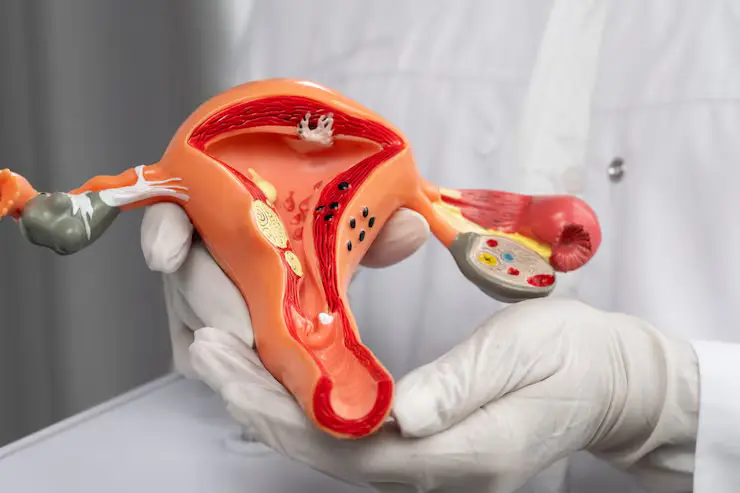
Polycystic Ovary Syndrome (PCOS) is one of the most common hormonal disorders affecting women worldwide, particularly those of reproductive age.
The condition often goes unrecognized, and it is estimated that many women with PCOS remain undiagnosed.
PCOS is more than just an ovarian disorder. It is a chronic hormonal and metabolic condition that can affect both physical and emotional health over the long term.
Understanding PCOS early is an important step toward managing symptoms and preventing more serious complications.
Understanding PCOS
PCOS is a hormonal disorder commonly associated with elevated levels of androgens, hormones that are naturally present in women but are typically found at higher levels in men.
These hormonal changes can interfere with normal ovulation, causing eggs to mature irregularly or preventing their release from the ovaries.
The term "polycystic" refers to the presence of numerous small, fluid-filled follicles in the ovaries, which contain immature eggs.
However, not all women with PCOS have polycystic-appearing ovaries, and the condition cannot be diagnosed based on ultrasound findings alone.
Can PCOS Be Cured?
Currently, there is no permanent cure for PCOS because it is a chronic condition.
However, the good news is that its symptoms can often be effectively managed, allowing women with PCOS to maintain a healthy and fulfilling life.
With a combination of lifestyle modifications, weight management when appropriate, and medical treatment, menstrual cycles may become more regular, hormonal symptoms may improve, and fertility can often be supported.
Although treatment outcomes vary, many women with PCOS can successfully conceive with appropriate medical guidance.
Causes of PCOS
The exact cause of PCOS is not yet fully understood.
However, researchers believe that the condition develops through a combination of several interconnected factors.
1. Insulin Resistance
Women with PCOS are more likely to experience insulin resistance, a condition in which the body's cells do not respond effectively to insulin.
As a result, insulin levels in the bloodstream may increase.
Elevated insulin levels can stimulate the ovaries to produce more androgens, which may further disrupt ovulation and menstrual cycles.
2. Hormonal Imbalance
In addition to insulin abnormalities, some women with PCOS have increased levels of Luteinizing Hormone (LH) or reduced levels of Sex Hormone-Binding Globulin (SHBG).
These hormonal changes may contribute to elevated testosterone activity and irregular ovulation.
Consequently, menstrual cycles may become irregular or occur less frequently.
3. Genetic Factors
PCOS tends to run in families.
Women who have a mother or sister with PCOS may have a higher likelihood of developing the condition.
A family history of type 2 diabetes may also indicate shared metabolic or genetic risk factors.
4. Low-Grade Inflammation
Several studies suggest that women with PCOS may experience chronic low-grade inflammation.
This inflammatory state may contribute to increased androgen production and metabolic disturbances.
However, the precise relationship between inflammation and PCOS is still being investigated.
Signs and Symptoms of PCOS in Women
PCOS symptoms vary considerably between individuals and may change with age, hormonal changes, and lifestyle.
1. Menstrual Irregularities
One of the most common symptoms of PCOS is an irregular menstrual cycle.
Some women experience infrequent menstrual periods, known as oligomenorrhea, while others may stop menstruating for extended periods, a condition called amenorrhea.
These changes often occur because the ovaries do not release eggs regularly.
2. Hyperandrogenism (Physical Symptoms)
Elevated androgen levels may cause several noticeable physical symptoms, including:
-
Excessive hair growth on the face, chest, or back (hirsutism).
-
Persistent or severe acne.
-
Thinning scalp hair or hair loss resembling a male-pattern distribution.
The severity of these symptoms differs among women with PCOS.
3. Weight Management Difficulties
Some women with PCOS experience weight gain or find it difficult to lose excess weight.
Fat accumulation around the abdomen may also occur.
These difficulties are often associated with insulin resistance and other metabolic factors.
However, PCOS can also affect women with a normal body weight.
4. Skin Changes
Some women with PCOS develop dark, thickened, velvety patches of skin, particularly around body folds such as:
-
The neck.
-
The armpits.
-
The groin.
This condition is known as acanthosis nigricans and may indicate underlying insulin resistance.
Risk Factors for PCOS
Several factors are associated with an increased likelihood of developing PCOS or experiencing more pronounced symptoms.
-
Family history: Having close relatives with PCOS or diabetes.
-
Obesity: Excess body weight can worsen insulin resistance and metabolic symptoms.
-
Sedentary lifestyle: Insufficient physical activity may contribute to metabolic health problems.
-
Ethnicity: The prevalence and severity of certain metabolic complications associated with PCOS may vary across ethnic populations.
PCOS can develop in women of different body types and backgrounds, including those without these risk factors.
How to Manage PCOS in Women
The main goals of PCOS management are to reduce symptoms, improve reproductive and metabolic health, and prevent long-term complications such as type 2 diabetes and cardiovascular disease.
Treatment should be individualized according to the patient's symptoms, medical condition, and pregnancy plans.
1. Lifestyle Modifications
A balanced diet and regular physical activity are important foundations of PCOS management.
These measures can help improve metabolic health, insulin sensitivity, and overall well-being.
Health benefits may occur even without significant weight loss.
For women who are overweight, gradual and sustainable weight management may also improve certain PCOS symptoms.
2. Hormonal Medications
Doctors may prescribe combined oral contraceptive pills to help regulate menstrual cycles and manage symptoms associated with elevated androgen levels.
These medications may help reduce acne and excessive hair growth.
However, hormonal treatment is not appropriate for everyone and requires medical assessment.
3. Insulin-Sensitizing Medication
Metformin may be prescribed for selected women with PCOS, particularly when metabolic abnormalities or insulin resistance are present.
It can help improve the body's response to insulin and may provide benefits for certain metabolic and menstrual symptoms.
4. Ovulation Induction
For women with PCOS who are planning to become pregnant, doctors may recommend medications that stimulate ovulation.
These treatments aim to help the ovaries release mature eggs and improve the chances of conception.
The most suitable approach depends on the woman's reproductive health and other fertility factors.
5. Surgical Treatment
In selected cases, Laparoscopic Ovarian Drilling (LOD) may be considered when other fertility treatments have not achieved the desired results.
This procedure uses laparoscopy to make small, controlled treatments on the ovarian surface, potentially helping restore ovulation in certain patients.
However, surgery is not a routine first-line treatment for PCOS and should only be considered after specialist evaluation.
Frequently Asked Questions About PCOS
The following are some frequently asked questions about PCOS.
1. Can Women with PCOS Get Pregnant?
Yes.
Although PCOS is a common cause of infertility related to irregular ovulation, many women with PCOS can become pregnant with appropriate treatment.
Depending on individual circumstances, fertility treatment may include ovulation-inducing medications or In Vitro Fertilization (IVF).
With suitable medical care, many women with PCOS successfully conceive and give birth to healthy babies.
2. Is PCOS the Same as Having Ovarian Cysts?
No.
Although the name includes the word "polycystic," the small follicles seen in PCOS are not the same as pathological ovarian cysts that may require surgery.
These follicles contain immature eggs that have not developed or ovulated normally.
It is also possible to have PCOS without polycystic ovarian morphology on ultrasound.
3. Is PCOS Treatment Covered by BPJS Kesehatan?
In Indonesia, medical consultations, diagnostic examinations, and certain treatments for PCOS may be covered by BPJS Kesehatan, according to applicable medical indications, coverage rules, and referral procedures.
Patients generally begin through a first-level healthcare facility (Fasilitas Kesehatan Tingkat Pertama), such as a community health center (Puskesmas) or clinic, before being referred to a hospital specialist when necessary.
Coverage for specific fertility treatments may differ and should be confirmed with BPJS Kesehatan or the healthcare provider.
When Should You See a Doctor?
If you experience irregular menstrual cycles, persistent acne, or unusual excessive hair growth, consider scheduling a medical consultation.
Early diagnosis and appropriate management can help reduce the risk of long-term complications, including type 2 diabetes and endometrial abnormalities.
Consult an Obstetrics and Gynecology (OB-GYN) specialist or an appropriate endocrinology specialist for further evaluation.
For your convenience, you can schedule an examination through Tzu Chi Hospital's WhatsApp service or use the Find a Doctor feature on our official website.
Professional medical care at Tzu Chi Hospital can help you manage PCOS symptoms, protect your long-term health, and improve your quality of life.
Medically reviewed by Dr. Christian, Sp.OG.
Topic