

Kesehatan Ibu dan Anak
PICU: Functions, Conditions Treated, and Hospital Services

Written By
Admin • 25 November 2026
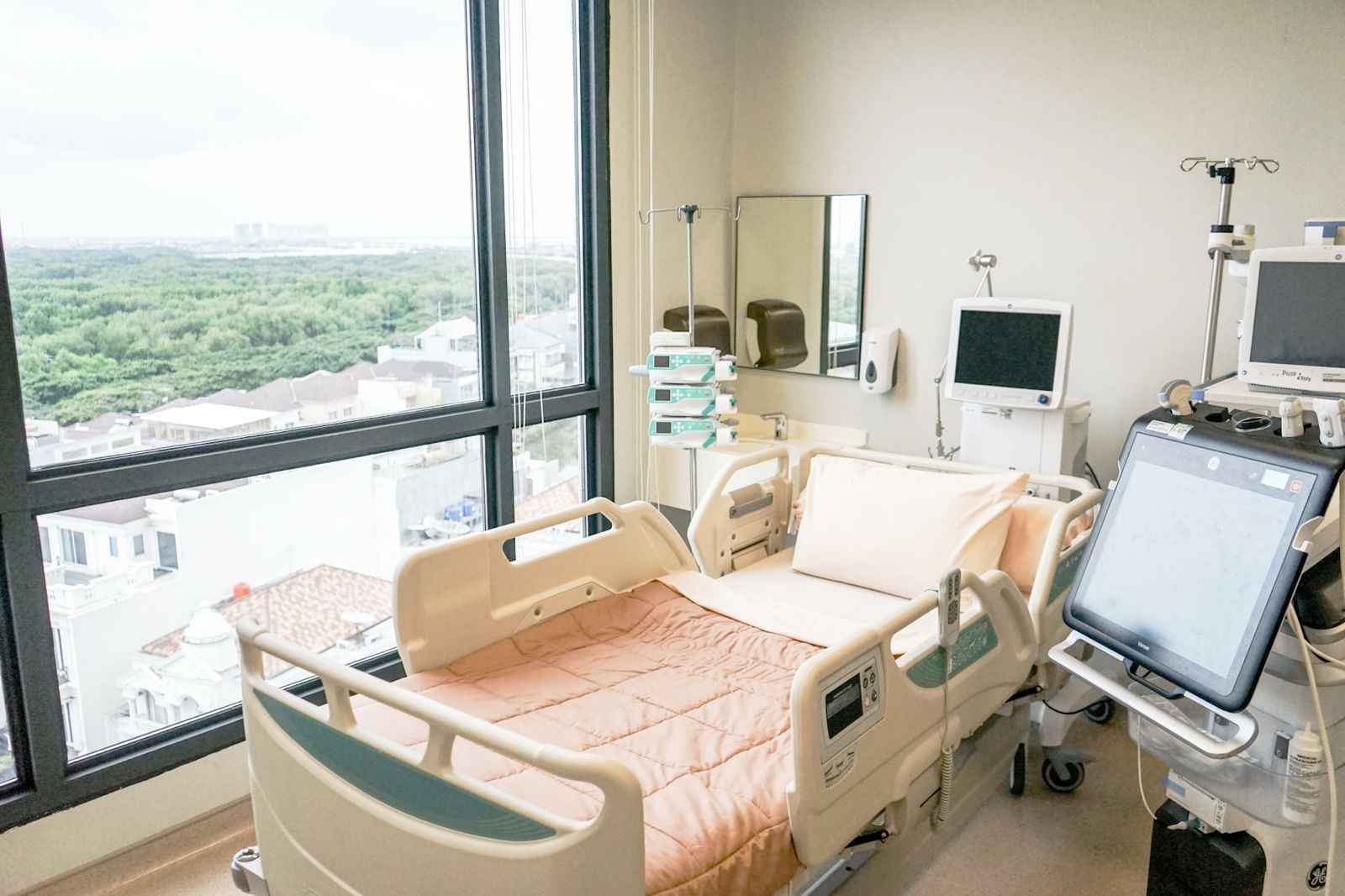
When a child falls ill with a life-threatening condition, parents need assurance that their little one is receiving the best possible care. The PICU (Pediatric Intensive Care Unit) is vital as a specialised unit designed to provide intensive care for critically ill children. By understanding what a PICU is, the conditions it treats, and how care is provided, parents can feel better prepared to face this situation.
What Is a PICU?
A PICU differs from a regular ward because it is equipped with the latest medical technology, closely monitored 24 hours a day, and run by a medical team specialised in paediatric intensive care. Here is a full explanation of this unit and how it differs from the NICU.
A PICU (Pediatric Intensive Care Unit) is a hospital unit that provides high-level care for children with life-threatening conditions. Critically ill children can change status very quickly, within minutes, so they need far more intensive monitoring than regular patients.
A PICU treats paediatric patients from 1 month to 18 years of age, although this upper limit may vary between institutions. Each child is monitored continuously, with a much higher nurse-to-patient ratio than on a regular ward, so that any small change in heart rate, oxygen level, or blood pressure can be detected immediately.
The Difference between PICU and NICU
Parents often ask about the difference between the PICU and the NICU, since both are intensive care units. The main differences lie in the patients' age group and the type of equipment used, as follows:
NICU (Neonatal Intensive Care Unit):
- Treats newborns up to about 28 days old, especially premature babies or babies with serious medical conditions.
- Conditions treated include very premature babies, breathing problems in newborns, babies who lacked oxygen at birth, severe infections, and congenital abnormalities that require immediate treatment.
- Special equipment includes incubators, baby-sized breathing support devices, and very small instruments.
Read also: Breast Pumping Tips: Relaxed, Safe, and Maximum Results
PICU (Pediatric Intensive Care Unit):
- Treats babies older than 1 month up to teenagers (usually up to 18 years).
- Covers a wider range of conditions because it includes various child age groups.
- Equipment and medicines are adjusted to children's various sizes and body weights.
To illustrate, a premature baby weighing 1 kilogram is treated in the NICU, while a 5-year-old child with a severe asthma attack is treated in the PICU. Some hospitals have a separate unit for each need, while others combine the NICU and PICU in one larger unit.
Conditions Treated in the PICU
The PICU is designed to handle a variety of emergency conditions that threaten a child's life, whether caused by illness or accidents. The conditions treated include respiratory, cardiovascular, and neurological disorders, as well as other critical conditions.
Critical Respiratory Conditions
Breathing problems are one of the most common reasons children are admitted to the PICU, especially because children's airways are smaller and more prone to narrowing than adults'. Critical respiratory conditions that are often treated include:
- Severe asthma attack (status asthmaticus): A severe asthma attack that does not improve despite the usual reliever medication.
- Severe bronchiolitis: Inflammation of the small airways in the lungs, especially in babies under 2 years old, often caused by RSV.
- Severe pneumonia: A lung infection that makes it hard for the child to breathe or requires a lot of oxygen.
- Severe croup: Inflammation of the upper airway that makes the child's breathing noisy and obstructed.
- Epiglottitis: Swelling of the flap at the base of the throat that can close off the airway.
- Respiratory failure from various causes that requires ventilator support.
In Indonesia, RSV bronchiolitis quite often affects babies during the rainy season and can develop into a severe condition requiring breathing support. With PICU care, children with respiratory failure can be supported with a ventilator until their lung function recovers.
Cardiovascular Disorders
Disorders of the cardiovascular system are very dangerous because they are directly related to blood flow and oxygen supply to all the body's organs. Some cardiovascular conditions treated in the PICU include:
- Shock, a condition in which blood pressure drops sharply and not enough blood flows to the body's organs, which can be caused by severe infection, heart problems, or large fluid or blood loss.
- Dangerous heart rhythm disorders, when the heart beats too fast, too slowly, or irregularly.
- Inflammation of the heart muscle (myocarditis), which makes it difficult for the heart to pump blood.
- Care after heart surgery in children with congenital heart disease.
- Sudden heart failure, when the heart suddenly cannot pump blood properly.
Children with congenital heart disease who have just had surgery need close monitoring in the PICU to make sure their heart is working well. The medical team can immediately give supportive medication or take further action if complications occur during recovery.
Neurological Disorders
The brain and central nervous system are very sensitive to a lack of oxygen and to excessive pressure, so delayed treatment can cause permanent damage. Some neurological conditions that are often treated include:
- Prolonged seizures that do not stop (status epilepticus).
- Severe inflammation of the brain (encephalitis) and of the membranes around the brain (meningitis).
- Severe head injuries from falls or accidents.
- Excessive pressure inside the skull that presses on the brain.
- Stroke in children, a disruption of blood flow to the brain.
- Care after brain or nerve surgery.
Children with status epilepticus need immediate treatment to stop the seizures and prevent brain damage. In the PICU, the medical team gives anti-seizure medication through an IV at controlled doses while monitoring brain activity, so the risk of long-term complications can be reduced.
Other Conditions
Besides the three groups above, the PICU also treats various other critical medical and surgical conditions. Other conditions treated include:
- Severe infection that spreads throughout the body (sepsis), causing blood pressure to drop sharply.
- Failure of several organs at once, for example the kidneys, liver, and lungs.
- Poisoning or swallowing excessive amounts of medicines or harmful substances.
- Drowning.
- Severe injuries from accidents or extensive burns.
- Care after major surgery.
- Severe disturbances in blood sugar and body chemistry balance, such as emergencies in children with diabetes.
- Children with a very weak immune system who develop a severe infection.
Drowning, which still happens quite often in Indonesia, requires intensive care to monitor lung and brain function afterwards. Poisoning from household chemicals also often requires PICU care to stabilise the child and prevent wider organ damage.
Equipment in the PICU
The PICU is equipped with a range of advanced equipment that is the main thing that sets it apart from a regular ward. This equipment includes monitoring systems, ventilators, and devices that support vital organs, including the following.
Advanced Monitoring
Every bed in the PICU is equipped with a monitoring system that tracks vital parameters continuously, 24 hours a day. Some commonly used monitoring equipment includes:
- Vital signs monitor: A screen that displays heart rate, blood pressure, breathing rate, oxygen level, and body temperature in real time.
- Breath monitor: Measures the carbon dioxide level in the child's breath to make sure they are breathing well enough.
- Brainwave recorder (EEG): Detects seizures that are not visible from the outside in children with neurological disorders.
- Intracranial pressure monitor: Used in children with head injuries or raised pressure inside the skull.
- Bedside heart ultrasound: To see directly how well the child's heart is working.
The many cables and devices attached to a child's body often worry parents. In fact, this shows that the child's condition is being monitored very carefully, so the medical team can respond quickly if anything changes.
Ventilators
A mechanical ventilator assists or replaces the breathing of a child who cannot breathe on their own, by delivering pressurised air into the lungs as needed. The PICU has ventilators with various ventilation modes that can be adjusted for babies through to teenagers, namely:
- Full breathing support through a tube, when the child cannot breathe on their own at all.
- Light breathing support without a tube, using just a mask, for children who can still breathe but need support.
- A special mode with very gentle and rapid puffs of air for children with very severe lung problems.
Ventilator use is always accompanied by close monitoring so that the air pressure delivered is not excessive and remains safe for the child's lungs.
Other Supporting Equipment
Besides monitors and ventilators, the PICU is equipped with supporting equipment to keep the child's overall condition stable, including:
- Highly precise infusion pumps to deliver blood pressure stabilising medicines, sedatives, and nutritional fluids in the right doses.
- Special lines inserted into blood vessels to give medicines and to monitor the child's condition accurately.
- Dialysis machines to support a child's kidneys that suddenly stop working.
- ECMO therapy, a machine that temporarily takes over the function of the child's heart or lungs; available at top-tier referral hospitals for cases of very severe organ failure.
Technology such as ECMO is a last hope for children with severe heart or lung failure, because the machine temporarily takes over the function of these organs until the child's body is able to recover.
The Medical Team in the PICU
Multidisciplinary Team Composition
The PICU is run by a multidisciplinary medical team that works closely together, because the complexity of critically ill children's conditions cannot be handled by a single specialty. Here is the composition of the team typically involved in PICU care:
- Paediatric intensive care consultant: Leads the team and makes the main medical decisions.
- Paediatrician: Provides comprehensive care for the child.
- PICU nurses: Specially trained to care for critically ill children; usually one nurse looks after one or two children so that monitoring is truly intensive.
- Anaesthesiologist: Manages sedatives, pain relief, and the placement of breathing support devices.
- Other specialists as needed: For example, paediatric cardiologists, paediatric neurologists, paediatric surgeons, and infectious disease specialists.
- Physiotherapists: Help clear the child's breathing and start early recovery of movement.
- Pharmacists: Ensure medicine doses are accurate and safe for children.
- Psychologists/counsellors: Support the mental wellbeing of the child and family.
This cross-disciplinary collaboration is discussed in daily team meetings, so each child's care plan is always evaluated and adjusted based on how their condition develops.
The PICU at Tzu Chi Hospital Jakarta
Tzu Chi Hospital's Facilities and Commitment
Tzu Chi Hospital Jakarta provides PICU services with state-of-the-art medical equipment and a team of experienced paediatricians. The PICU operates 24 hours a day, 7 days a week, so children who need intensive care receive a rapid response whenever an emergency occurs.
The care philosophy in the PICU at Tzu Chi Hospital focuses on a family-centred care approach. Parents are involved as active partners in the care process, receive clear and transparent information, and are supported emotionally during the critical period. The PICU is designed to allow parents to be present during flexible visiting hours, because research shows that parental presence has a positive impact on a child's recovery.
A Guide for Parents
What to Expect in the PICU
For parents facing a situation in which their child needs to be admitted to the PICU, the sight of all the devices and cables can feel frightening at first. Here are some things parents should know:
- Your child will be monitored continuously with various devices and cables—this is normal and important for accurate monitoring.
- There may be various tubes, catheters, and equipment attached to your child.
- The medical team will regularly explain your child's condition and treatment plan.
- Parents are encouraged to ask questions if there is anything they don't understand.
- Psychological support is available for parents who need it.
Parents are encouraged not to hesitate to communicate actively with the medical team, both to ask about their child's progress and to understand every procedure carried out. Looking after yourself and getting enough rest is also important so that you stay strong as you accompany your child throughout their care.
When Should You See a Doctor?
If your child shows critical signs such as fast, laboured breathing, bluish lips, seizures, reduced consciousness, or a high fever that does not improve, take them to the nearest healthcare facility immediately. These conditions can worsen within minutes and must not be delayed.
Read also: Supporting Autistic Children to Develop Optimally through Therapy and a Healthy Lifestyle
Tzu Chi Hospital Jakarta is ready to handle children's emergencies with PICU services that operate 24/7. If you would like to consult earlier or plan your child's care, schedule an examination through WhatsApp Tzu Chi Hospital for easy access without long queues. Services are available for self-paying patients, insurance users, and BPJS Kesehatan (national health insurance) members. Find the right paediatrician through Find a Doctor.
Article reviewed by Dr. Amelia, Sp.A
References
- Pediatric Critical Care Medicine Society. (2024). Guidelines for Pediatric Intensive Care Units. PCCM Society.
- Kissoon, N., et al. (2023). Surviving Sepsis Campaign International Guidelines for Children. Pediatric Critical Care Medicine, 24(2), e77-e111.
- Rimensberger, P.C., et al. (2023). Ventilatory Support in Children with Pediatric ARDS. Intensive Care Medicine, 49(7), 724-741.
- Davidson, J.E., et al. (2023). Family-Centered Care in the PICU: An Official ATS/SCCM Guideline. Critical Care Medicine, 51(6), 851-867.
- Indonesian Pediatric Society (IDAI). (2023). Guidelines for Pediatric PICU Medical Services. IDAI Press.
Topic