

Tindakan Medis & Terapi
Cancer Radiotherapy: Types, Procedures, Duration & Side Effects

Written By
Admin TzuChi • 17 November 2026
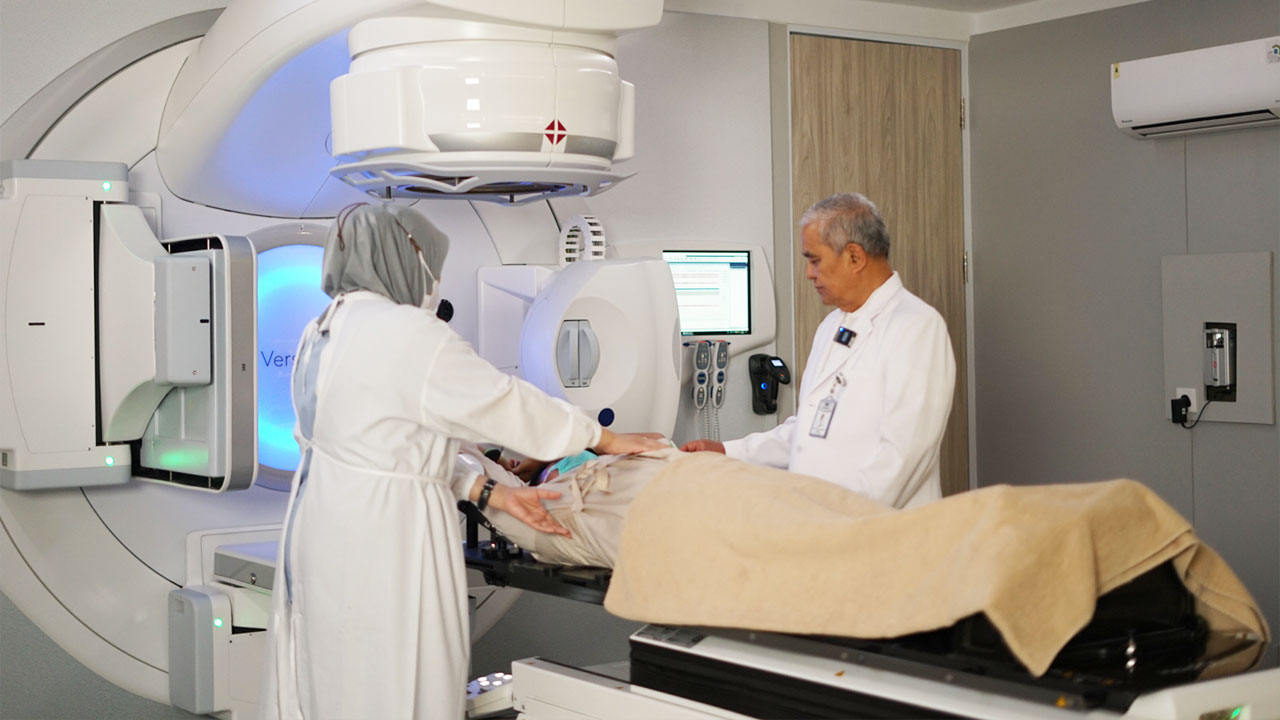
Radiotherapy is one of the main methods of cancer treatment, alongside chemotherapy, although the two work differently. While chemotherapy uses medications that may circulate throughout the body, radiotherapy delivers radiation more directly to the affected area.
This targeted approach allows radiotherapy to treat cancer cells within a specific region while limiting unnecessary exposure to surrounding healthy tissues. However, side effects can still occur and vary depending on the treatment location, radiation dose, and individual patient condition.
Radiotherapy works by directing high-energy radiation toward cancerous tissues to damage the DNA of cancer cells, preventing them from growing and dividing.
This treatment can be used for various types of cancer, including head and neck, lung, breast, cervical, and prostate cancers.
Before undergoing radiotherapy, it is important to understand its types, how it works, its benefits, and potential side effects so that patients can make informed treatment decisions.
Here is a comprehensive explanation.
What Is the Success Rate of Cancer Radiotherapy?
Radiotherapy plays a major role in cancer treatment worldwide.
According to the World Health Organization (WHO), more than 50% of cancer patients may require radiotherapy at some stage of their treatment.
Additionally, a publication available through the National Library of Medicine discusses radiotherapy's contribution to approximately 40% of cancer cures.
These figures highlight the importance of radiotherapy as a cancer treatment, whether used independently or combined with surgery, chemotherapy, or other therapies.
However, there is no single success rate that applies to all cancer patients.
The effectiveness of radiotherapy depends on several factors, including:
-
Type and stage of cancer
-
Tumor location
-
Patient's overall health condition
-
Radiotherapy technology and treatment techniques used
The radiation oncologist will evaluate these factors to determine the most appropriate treatment plan for each patient.
Related Article: 11 Warning Signs of Cancer in Children and Their Possible Causes
What Types of Cancer Can Be Treated with Radiotherapy?
Radiotherapy can be used at different stages of cancer, from early-stage to advanced disease.
For some patients with stage I–III cancers, radiotherapy may be delivered with curative intent, meaning the treatment aims to eliminate the cancer.
For patients with stage IV or metastatic cancer, radiotherapy is often used to control tumor growth, relieve symptoms, and improve quality of life.
However, in selected cases of locally advanced disease or limited metastatic spread, radiotherapy may still be included in treatment plans with potentially curative intent.
Treatment goals depend on the cancer type, staging system, disease extent, and individual medical assessment.
Common cancers that may be treated with radiotherapy include:
-
Brain cancer and selected brain tumors
-
Breast cancer
-
Lung cancer
-
Esophageal cancer
-
Colon and rectal cancer
-
Liver and pancreatic cancer
-
Nasopharyngeal and other head and neck cancers
-
Prostate cancer
-
Cervical, uterine, and vaginal cancers
-
Selected testicular cancers
-
Bone and soft tissue cancers
-
Metastatic cancer
Types of Radiotherapy Equipment Used for Cancer Treatment
Cancer radiotherapy can generally be divided into two main categories: external beam radiation therapy (EBRT) and brachytherapy.
The selection of radiotherapy equipment and technique depends on several factors, including cancer type, tumor location, disease stage, the patient's health condition, and whether additional treatments such as surgery or chemotherapy are required.
Below are the two main approaches.
1. External Beam Radiation Therapy (EBRT)
External beam radiation therapy is one of the most commonly used types of cancer radiotherapy.
It delivers high-energy radiation from a machine positioned outside the patient's body.
During treatment, the machine directs radiation beams toward the tumor from carefully planned angles. Depending on the equipment and technique, parts of the machine may rotate around the patient.
The goal is to deliver the prescribed radiation dose to the target area while minimizing unnecessary exposure to nearby healthy tissues.
For example, when treating lung cancer, radiation is directed toward the designated tumor region in the chest.
Although external radiotherapy machines are large, the radiation itself is not felt during treatment.
External beam radiotherapy is commonly used for cervical cancer and several other malignancies, including:
-
Head and neck cancer
-
Lung cancer
-
Breast cancer
-
Prostate cancer
-
Brain tumors
-
Cervical and uterine cancer
-
Soft tissue sarcoma
2. Brachytherapy (Internal Radiation Therapy)
Brachytherapy is a type of radiotherapy in which a radioactive source is placed inside or very close to the tumor.
Unlike external beam radiotherapy, brachytherapy delivers radiation from within the body or directly adjacent to the treatment area.
Depending on the procedure, radioactive sources may be supplied in forms such as:
-
Small radioactive seeds
-
Radioactive ribbons or wires
-
Radioactive capsules
Because the radiation source is positioned close to the tumor, brachytherapy can deliver a concentrated dose to the target area while limiting exposure to certain surrounding tissues.
Brachytherapy may be used in treating selected cancers, including:
-
Prostate cancer
-
Cervical cancer
-
Breast cancer
The suitability of brachytherapy depends on the patient's diagnosis, disease stage, and treatment objectives.
Related Article: 10 Cancer Hospitals in Jakarta with Advanced Facilities and Comprehensive Oncology Services
How Long Does Cancer Radiotherapy Take?
One of the most common questions patients ask is, "How many radiotherapy sessions will I need?"
The answer varies from patient to patient because the treatment schedule depends on the type of cancer, radiation technique, prescribed dose, and treatment goals.
Conventionally, radiotherapy is often delivered five days a week, from Monday to Friday, allowing time between treatments for normal tissue recovery.
This scheduling approach is commonly used in countries such as the United States, Japan, the United Kingdom, and Singapore.
However, some treatment plans may involve fewer sessions, more than one session per day, or treatment during weekends in specific circumstances.
The actual radiation delivery usually takes only a few minutes, although patient positioning, imaging verification, and treatment preparation may make the overall appointment longer.
Radiotherapy is commonly prescribed in treatment sessions called fractions.
For example, a treatment plan consisting of 25 fractions generally means the patient will receive radiation treatment over 25 scheduled sessions.
Your radiation oncologist will explain the total number of sessions and expected treatment duration based on your individual treatment plan.
Side Effects of Radiotherapy for Cancer Treatment
Although radiotherapy uses high-energy radiation to target cancer cells, it may also affect healthy tissues within or near the treatment area.
As a result, patients may experience side effects during or after treatment.
Radiotherapy side effects are often related to the area receiving radiation, although fatigue and other general symptoms may also occur.
The severity and duration of side effects vary depending on the radiation dose, treatment technique, cancer location, and individual patient factors.
Below are possible side effects according to the treatment area.
1. Brain Cancer
Possible side effects include:
-
Hair loss in the treated area of the scalp
-
Headaches
-
Nausea
2. Head and Neck Cancer
Including nasopharyngeal, oral cavity, and laryngeal cancers.
Possible side effects include:
-
Mouth sores or mucositis
-
Pain or difficulty swallowing
-
Dry mouth
-
Changes in taste
-
Reduced appetite
3. Lung Cancer
Possible side effects include:
-
Coughing
-
Changes in breathing comfort or lung function
-
Chest discomfort
-
Pain or difficulty swallowing if the esophagus receives radiation
4. Breast Cancer
Possible side effects include:
-
Skin redness or irritation in the treated area
-
Dryness or peeling of the skin
-
Local breast or chest wall discomfort
5. Esophageal Cancer
Possible side effects include:
-
Pain when swallowing (odynophagia)
-
Difficulty maintaining adequate food intake
6. Stomach, Liver, Pancreatic, and Abdominal Cancers
Possible side effects include:
-
Nausea
-
Vomiting
-
Diarrhea
-
Reduced appetite
7. Colon and Rectal Cancer
Possible side effects include:
-
Diarrhea
-
Rectal irritation
-
Pain during bowel movements
-
Anal discomfort
-
Reduced blood cell counts, including anemia, leukopenia, or thrombocytopenia, in certain treatment settings
8. Prostate Cancer
Possible side effects include:
-
Increased urinary frequency
-
Pain or discomfort during urination
-
Mild diarrhea
-
Changes in sexual function
9. Cervical, Uterine, Vaginal, and Vulvar Cancers
Possible side effects include:
-
Skin irritation in the pelvic area
-
Vaginal discharge or irritation
-
Diarrhea
-
Reduced blood cell counts in certain circumstances
-
Changes in sexual function
10. Bone and Soft Tissue Cancers
Possible side effects include:
-
Localized pain
-
Joint stiffness
-
Skin irritation in the treated area
-
Swelling around the radiation treatment site
-
Reduced blood cell counts in certain treatment settings
Not every patient will experience these side effects. Some effects may develop during treatment, while others may appear weeks, months, or longer afterward.
Patients should discuss any new or worsening symptoms with their radiation oncology team so that appropriate supportive treatment can be provided.
Experience Precision Cancer Radiotherapy at Tzu Chi Hospital
If you are looking for advanced cancer radiotherapy supported by modern technology and experienced medical professionals, Tzu Chi Hospital provides comprehensive radiation oncology services.
Tzu Chi Hospital uses the Versa HD Linear Accelerator (LINAC), an advanced external beam radiotherapy system designed to deliver precisely planned radiation doses to cancerous tissues while helping limit unnecessary exposure to surrounding healthy structures.
The radiotherapy system also supports advanced technologies, including:
-
4D Imaging: Helps evaluate changes in tumor position caused by breathing and other physiological movements.
-
Active Breathing Coordinator (ABC): Supports controlled breath-hold techniques to improve treatment consistency when targeting moving organs, such as the lungs.
These technologies assist radiation oncologists in planning and delivering precise treatments according to each patient's medical needs.
Tzu Chi Hospital's radiotherapy services are provided through its Comprehensive Cancer Treatment Center.
The center received a top-level award from Indonesia's Nuclear Energy Regulatory Agency (BAPETEN) in 2024 in recognition of radiation source safety and security practices.
This recognition reflects the hospital's commitment to maintaining appropriate radiation safety standards and responsible use of advanced radiotherapy technology.
Radiation Oncology Specialists at Tzu Chi Hospital
Patients can receive consultations and treatment from the following radiation oncology specialists:
-
Dr. Defrizal, Sp.Onk.Rad (K) — Consultant Radiation Oncologist
-
Dr. Fenny Gozal, Sp.Onk.Rad, M.A.R.S — Radiation Oncologist
-
Dr. Andre Prawira Putra, Sp.Onk.Rad, M.P.H — Radiation Oncologist
To view consultation schedules and arrange an initial assessment, visit the Find a Doctor section on the official Tzu Chi Hospital website.
You can also contact Tzu Chi Hospital via WhatsApp for appointment registration and further information about radiotherapy services.
Take the next step toward personalized cancer care with advanced radiotherapy technology at Tzu Chi Hospital.
This article has been medically reviewed by Dr. Andre Prawira Putra, Sp.Onk.Rad, M.P.H..
References
Topic