

Tindakan Medis & Terapi
Breast Cancer Radiotherapy: Procedures & Side Effects

Written By
Admin TzuChi • 23 November 2026
Breast cancer radiotherapy is one of the most commonly used cancer treatments, particularly after surgery or other therapies, to help destroy any remaining cancer cells and reduce the risk of recurrence.
Many patients have questions about when radiotherapy is necessary, how the procedure works, and what side effects they may experience.
Concerns about treatment duration and potential side effects are also common.
To address these questions, this article provides a comprehensive explanation of breast cancer radiotherapy, including its purpose, treatment methods, procedures, possible side effects, and tips for managing them.
If you would like to better understand breast cancer radiotherapy, explore the following guide.
What Is Breast Cancer Radiotherapy?
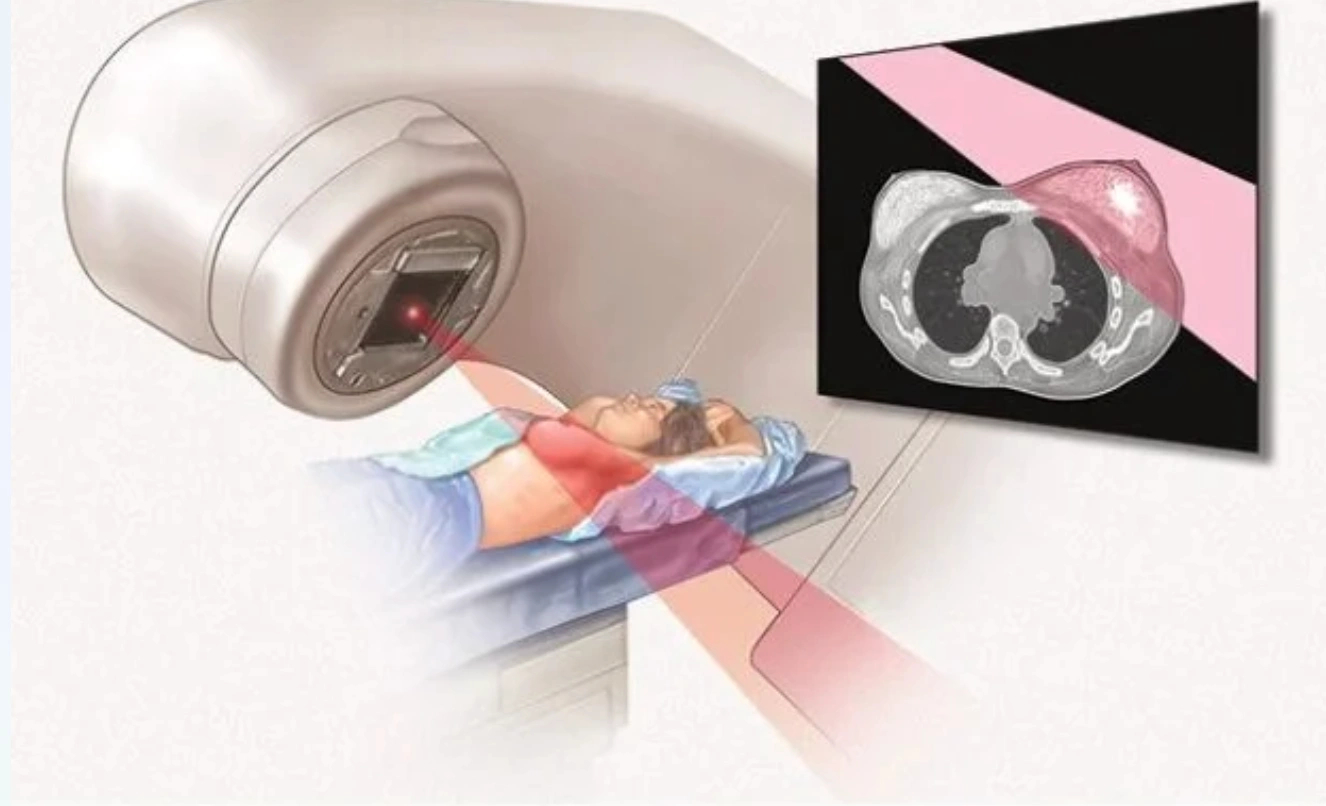
Illustration of Breast Cancer Radiotherapy | Source: OncoDaily
Breast cancer radiotherapy is a medical treatment that uses high-energy ionizing radiation, such as X-rays or electron beams, to destroy cancer cells that may remain after surgery or shrink tumors in certain situations.
The main goals of radiotherapy include:
-
Curative Treatment: To eliminate or significantly reduce cancer, prevent recurrence at the surgical site, and control cancer in nearby lymph nodes.
-
Palliative Treatment: To relieve symptoms, control pain, and improve the patient's overall quality of life.
Some patients are concerned about whether they need to avoid close contact with others after radiotherapy.
It is important to understand that external beam radiotherapy does not make the patient's body radioactive.
The X-rays used during treatment are painless and do not leave residual radiation in the body. Therefore, patients can safely remain close to their loved ones, including children and pregnant women, after external beam radiotherapy sessions.
Radiotherapy may be used alone or combined with surgery and systemic cancer treatments, including chemotherapy, immunotherapy, targeted therapy, and hormonal therapy.
When Is Breast Cancer Radiotherapy Necessary?
According to a review published in the European Journal of Breast Health, radiotherapy remains an important additional treatment, known as adjuvant therapy, following breast-conserving surgery.
Radiotherapy has been shown to reduce the risk of local cancer recurrence and improve disease control.
However, not every breast cancer patient requires radiotherapy. The decision depends on the individual's diagnosis, cancer stage, surgical findings, and overall treatment plan.
Below are several situations in which radiotherapy may be recommended.
1. After Lumpectomy
Radiotherapy is commonly recommended after a lumpectomy, also known as breast-conserving surgery, to destroy microscopic cancer cells that may remain in the breast.
The combination of lumpectomy and radiotherapy is known as breast-conserving therapy.
For appropriately selected patients, breast-conserving therapy can provide long-term outcomes comparable to mastectomy, which involves removing the entire breast.
2. After Mastectomy
Even after the entire breast has been removed, radiotherapy may still be necessary in certain circumstances.
Post-mastectomy radiotherapy may be considered when:
-
Cancer has spread to nearby lymph nodes.
-
The primary breast tumor is larger than 5 cm.
-
Lymph node evaluation is inadequate or incomplete.
-
Surgical findings indicate an increased risk of recurrence, such as positive or close surgical margins.
-
Tumor location and other clinical factors indicate a higher risk of recurrence.
-
Cancer has returned in the chest wall or surrounding tissues after mastectomy.
The decision to undergo radiotherapy after mastectomy is based on an individualized risk assessment by the oncology team.
3. When Breast Cancer Has Spread (Metastasis)
When breast cancer spreads to other parts of the body, radiotherapy may help shrink tumors in affected areas and relieve symptoms.
For example, radiotherapy may be used to manage pain caused by bone metastases or relieve symptoms caused by tumors affecting nearby organs.
4. Advanced Breast Cancer
For patients with locally advanced breast cancer, radiotherapy may be recommended to treat tumors that cannot be completely removed through surgery.
It may also form part of the treatment plan for inflammatory breast cancer, an aggressive type of breast cancer that affects the skin and lymphatic vessels of the breast.
Types of Breast Cancer Radiotherapy
Breast cancer radiotherapy can generally be divided into two main types, depending on where the radiation source is located.
1. External Beam Radiation Therapy (EBRT)
External beam radiation therapy is the most commonly used radiotherapy technique for breast cancer.
During this procedure, the radiation source remains outside the patient's body, and radiation beams are directed toward the designated treatment area.
Patients lie on a specialized treatment table while the radiation therapy team verifies their position using imaging technology.
Once the correct position has been confirmed, the machine delivers radiation for several minutes.
A review published in the International Journal of Women's Health discusses the benefits of external beam radiotherapy in breast cancer treatment.
Radiotherapy has contributed to improved local cancer control and, in certain patient groups, improved survival outcomes, particularly among patients at increased risk of recurrence.
At Tzu Chi Hospital, radiotherapy services are supported by the advanced Versa HD Linear Accelerator (LINAC).
This system supports precision radiation techniques, including:
-
Stereotactic Radiosurgery (SRS)
-
Stereotactic Radiotherapy (SRT)
-
Stereotactic Body Radiation Therapy (SBRT)
-
Volumetric Modulated Arc Therapy (VMAT)
For breast cancer treatment, Versa HD also supports advanced radiation delivery techniques combined with Active Breathing Coordinator (ABC) technology.
These technologies help the treatment team deliver radiation more precisely while reducing unnecessary exposure to surrounding healthy organs.
2. Internal Radiation Therapy (Brachytherapy)
Brachytherapy is a form of internal radiation treatment in which a radioactive source is placed inside or close to the area being treated.
For selected breast cancer patients, a catheter or specialized applicator may be positioned in the breast near the surgical cavity.
A radioactive source is then temporarily introduced through the applicator to deliver radiation directly to the target tissue.
Brachytherapy is used in selected clinical situations and is not required for every breast cancer patient.
Breast Cancer Radiotherapy Techniques
Modern radiotherapy has advanced significantly through precision-based technologies.
At Tzu Chi Hospital, radiation treatment planning and delivery emphasize three important principles.
1. Precise Targeting
With technologies such as 4D imaging and Active Breathing Coordinator (ABC), the radiation therapy team can account for certain movements caused by breathing.
This is particularly important when treating areas near moving organs, including the lungs and heart.
For breast cancer radiotherapy, precise positioning and motion management help ensure that radiation reaches the intended target.
2. Accurate Radiation Dose
The Versa HD LINAC supports precise radiation dose delivery according to the treatment plan developed by the radiation oncologist and medical physicist.
The objective is to deliver an effective dose to the target area while minimizing unnecessary radiation exposure to surrounding healthy tissues.
3. Efficient Treatment Time
Consistency in radiotherapy scheduling is important for achieving the intended treatment outcomes.
Advanced radiotherapy technology can support efficient radiation delivery while maintaining treatment precision.
Shorter treatment delivery times may also improve patient comfort and reduce the likelihood of movement during treatment.
Breast Cancer Radiotherapy Procedure: Step-by-Step Guide
Before beginning breast cancer radiotherapy, patients undergo several important preparation stages.
Radiotherapy may begin several weeks after surgery or chemotherapy, depending on wound healing, the overall treatment sequence, and the patient's medical condition.
The source article describes a typical interval of approximately three to eight weeks in certain circumstances, although the actual timing is determined individually.
Here are the main stages of breast cancer radiotherapy.
1. Initial Consultation and Evaluation
The first stage involves consultation with a radiation oncology specialist.
The radiation oncologist evaluates the patient's overall medical condition to determine whether radiotherapy is appropriate and how the treatment should be planned.
a. Medical History Assessment
Patients are asked to provide detailed information about their medical history, including previous surgery, cancer treatments, and other relevant health conditions.
b. Risks and Benefits
The doctor explains the goals of radiotherapy, whether curative or palliative, as well as the expected treatment duration and potential side effects.
This discussion helps patients understand the benefits and risks before treatment begins.
2. Radiotherapy Simulation (Treatment Planning)
The second stage involves determining exactly where and how radiation will be delivered.
This stage includes several important steps.
a. Specialized CT Simulation
Patients lie on a treatment table in the same position that will be used during radiotherapy sessions.
A specialized CT scan is performed to obtain anatomical images of the breast and surrounding target areas, such as regional lymph nodes.
The images may be acquired using 3D or selected 4D techniques, depending on the treatment plan.
For left-sided breast cancer, the team may use the ABC technique during simulation to help manage breathing-related movement.
Patients may be instructed to hold their breath for a specified period, sometimes approximately 30 seconds, depending on their ability and the treatment protocol.
b. Skin Markings
The radiation therapy team may place small marks on the patient's skin, including tiny tattoo-like dots.
These markings help ensure consistent positioning during subsequent treatment sessions.
c. Positioning Adjustments
For patients receiving radiotherapy to the left breast, specialized breathing techniques may be used to help increase the distance between the heart and the radiation treatment area.
These techniques aim to reduce radiation exposure to nearby vital organs.
3. Radiation Dose Planning
After simulation, the medical physicist and radiation oncologist work together to develop an individualized treatment plan.
a. Identifying the Treatment Target
The team identifies the area requiring radiation, including the tumor bed or other tissues at increased risk of containing microscopic cancer cells.
They also identify nearby healthy organs that require protection.
b. Radiation Dose Calculation
The medical physicist uses advanced computer algorithms to calculate and optimize the radiation dose distribution according to the prescribed treatment plan.
c. Treatment Plan Verification
The radiation oncologist reviews the treatment plan to confirm that the intended target receives the prescribed dose while surrounding healthy tissues are appropriately protected.
Related Article: Radiation Oncology Specialists: Benefits, Treatment Types, and Side Effects
4. Radiotherapy Treatment Sessions
The fourth stage involves the scheduled treatment sessions.
a. Daily Treatment Procedure
Patients lie on the radiotherapy treatment table beneath a machine such as the Versa HD LINAC.
The radiation therapist carefully positions the patient using the reference markings established during simulation.
b. Duration and Frequency
Conventional radiotherapy schedules often involve five sessions per week, from Monday to Friday.
Radiation delivery typically lasts only a few minutes per session.
The total course of treatment may last approximately three to six weeks, depending on the cancer type, stage, and treatment objectives.
However, shorter treatment schedules are increasingly used for selected patients, and the final duration depends on the prescribed regimen.
c. Patient Monitoring
During radiation delivery, the radiation therapists monitor the patient from a separate control room.
Communication and monitoring systems allow the team to ensure that treatment proceeds according to the approved plan.
5. Medication and Supplement Management
Throughout treatment preparation and delivery, it is important to communicate openly with the medical team.
Inform your physician about all medications, vitamins, supplements, herbal products, and alternative treatments you are taking.
Some substances may interact with cancer treatments or affect treatment safety.
Do not stop or change prescribed medications without consulting your physician.
Related Article: 10 Cancer Hospitals in Jakarta with Modern Facilities and Comprehensive Oncology Services
Care After Breast Cancer Radiotherapy
After completing radiotherapy, patients undergo follow-up consultations to monitor recovery, manage side effects, and assess for possible cancer recurrence.
Contact your healthcare team if you experience:
-
Persistent or worsening pain
-
New breast lumps, bruising, rashes, or swelling
-
Significant unexplained weight loss
-
Fever or a persistent cough
In addition to cancer-specific follow-up, maintaining overall health, including cardiovascular and metabolic health, remains important.
Related Article: 10 Signs of Harmless Neck Lumps and How to Manage Them
Side Effects of Breast Cancer Radiotherapy
Every patient responds differently to radiotherapy.
Although modern radiation techniques are designed to reduce unnecessary exposure to healthy tissues, side effects may still occur.
The type and severity of side effects depend on factors such as radiation dose, treatment area, technique, and individual patient characteristics.
Radiotherapy side effects are generally divided into short-term, long-term, and less common complications.
Short-Term Side Effects
Short-term side effects may begin several days or weeks after radiotherapy starts.
Many are temporary and improve within weeks after treatment finishes, although recovery time varies.
Possible short-term side effects include:
-
Skin Irritation: Redness, sensitivity, burning sensations, or skin changes resembling sunburn.
-
Fatigue: Tiredness that may continue for several weeks after treatment.
-
Changes in Skin Sensation: Increased sensitivity, discomfort, or temporary changes in the treated area.
-
Underarm Hair Loss: Temporary or persistent hair loss may occur if the underarm region is included in the radiation field.
Long-Term Side Effects
Some side effects develop months or even years after treatment.
Possible long-term changes include:
-
Breast Tissue Changes: The skin or breast tissue may become firmer, thicker, or less flexible.
-
Changes in Sensation: The treated breast may become more or less sensitive.
-
Changes in Breast Shape: Swelling, fluid accumulation, or scar tissue may affect the breast's appearance.
The duration of these effects varies. Some may improve over time, while others can persist.
Less Common Side Effects
Certain complications are less common but may occur following breast cancer radiotherapy.
Before recommending treatment, the radiation oncologist carefully evaluates the expected benefits and potential risks.
Possible complications include:
-
Lymphedema: Swelling caused by impaired lymphatic drainage, particularly in patients who have also undergone lymph node surgery.
-
Rib Fractures: Radiation may occasionally weaken nearby rib bones.
-
Radiation Pneumonitis: Inflammation of lung tissue following radiation exposure.
-
Cardiac Effects: Radiation involving the left side of the chest may expose parts of the heart to radiation. Modern treatment techniques aim to minimize this risk.
-
Secondary Cancer: Radiation-associated secondary cancers are rare and generally develop many years after treatment.
How to Manage Breast Cancer Radiotherapy Side Effects
Although not all side effects can be prevented, several measures may help reduce discomfort and support recovery.
1. Wear Comfortable Clothing
Choose loose-fitting clothing and comfortable bras without underwires to reduce friction against sensitive skin.
2. Practice Gentle Skin Care
Use mild soap and fragrance-free moisturizers recommended by your healthcare team.
Avoid rubbing, scratching, or applying irritating products to the treated area.
Do not use ice packs, heating pads, or unapproved topical medications on the treatment area without medical advice.
Your radiation oncologist may recommend specific creams or ointments to help manage skin reactions.
3. Get Adequate Rest
Allow time for rest and recovery throughout treatment.
Adjust strenuous physical activities according to your energy levels and medical recommendations.
If sweating causes skin discomfort around the chest or underarm area, consider modifying activities to reduce irritation.
4. Maintain a Healthy Diet
Consume a balanced diet that provides adequate energy, protein, vitamins, and minerals to support overall health and recovery.
If you experience eating difficulties or significant weight changes, consult your healthcare team or a clinical dietitian.
What Other Cancers Can Be Treated with Radiotherapy?
Radiotherapy is a versatile cancer treatment used for many different malignancies, not only breast cancer.
Depending on the diagnosis and treatment goals, radiotherapy may be used for:
-
Cervical cancer
-
Nasopharyngeal cancer
-
Vocal cord cancer
-
Lung cancer
-
Colorectal cancer
-
Gastrointestinal cancers
-
Head and neck cancer
-
Prostate and other urogenital cancers
-
Liver cancer
-
Selected cases of leukemia and lymphoma
-
Brain tumors
-
Skin cancer
-
Soft tissue cancers
-
Metastatic cancer
Modern radiation technologies, including those available at Tzu Chi Hospital, support a variety of treatment approaches tailored to individual patient needs.
Related Article: 10 Leading Cancer Hospitals in Indonesia
When Should You Consult a Doctor?
If you have been diagnosed with breast cancer, have a strong family history of the disease, or notice a new lump or unusual breast changes, consult a healthcare professional promptly.
Early evaluation and appropriate treatment planning are important parts of breast cancer management.
At Tzu Chi Hospital, we are committed to providing safe, precise, and compassionate radiotherapy services.
Our Radiotherapy Department has also received a top-level award from Indonesia's Nuclear Energy Regulatory Agency (BAPETEN) in recognition of radiation source safety and security standards.
Radiation Oncology Specialists at Tzu Chi Hospital
Tzu Chi Hospital's radiation oncology team includes experienced specialists dedicated to supporting patients through a comprehensive and compassionate approach.
Our specialists include:
-
Dr. Defrizal, Sp.Onk.Rad (K)
-
Dr. Fenny Gozal, Sp.Onk.Rad, M.A.R.S
-
Dr. Andre Prawira Putra, Sp.Onk.Rad, M.P.H.
Patient Testimonial
"One month after giving birth to my second child, I underwent a medical examination and was diagnosed with uterine fibroids. I continued with regular check-ups, and approximately five months later, cancer was eventually detected.
During my treatment at Tzu Chi Hospital, the communication was informative, clear, and reassuring.
The medical team explained everything patiently and thoroughly, which helped me feel more confident about undergoing radiotherapy.
The service was excellent, compassionate, and attentive."
— Joyce, Radiotherapy Patient
If you would like to schedule a consultation or find the most suitable specialist for your condition, visit the Find a Doctor section on the Tzu Chi Hospital website.
Regular health assessments and age-appropriate cancer screening can help identify certain medical conditions at an earlier stage.
Take the next step toward comprehensive cancer care at Tzu Chi Hospital.
Contact us via WhatsApp to arrange a consultation with our radiation oncology specialists or obtain more information about our radiotherapy services.
This article has been reviewed by Dr. Andre Prawira Putra, Sp.Onk.Rad, M.P.H.
References
-
European Journal of Breast Health. New Approaches in Breast Cancer Radiotherapy.
-
International Journal of Women's Health. Benefits, Risks, and Safety of External Beam Radiation Therapy for Breast Cancer.