

Pencegahan & Deteksi Dini Penyakit
Cervical Cancer Radiotherapy: Types, Procedures & Side Effects

Written By
Admin TzuChi • 25 November 2026
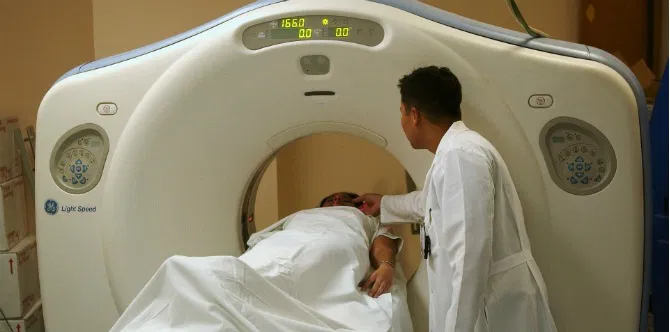
Radiotherapy is one of the main treatment methods for cervical cancer and has been shown to improve the chances of remission and successful disease control in appropriately selected patients.
Cervical cancer radiotherapy can be delivered through two main approaches: external beam radiation therapy (EBRT) and brachytherapy. These methods may be used individually or together, depending on the patient's medical needs.
This article provides a comprehensive explanation of cervical cancer radiotherapy, including treatment preparation, procedures, effectiveness, possible side effects, and post-treatment care.
Understanding each stage of treatment can help patients feel more informed, prepared, and confident throughout their recovery journey.
What Is Cervical Cancer Radiotherapy?
Illustration of Cervical Cancer Radiotherapy | Source: Frontiers
Cervical cancer radiotherapy is a cancer treatment that uses high-energy radiation, such as X-rays or gamma rays, to damage the DNA of cancer cells, destroy cancerous tissue, and prevent further tumor growth.
Radiotherapy may be used as the primary treatment for cervical cancer or combined with other approaches, including surgery and systemic therapies such as chemotherapy.
It remains an essential treatment for cervical cancer, particularly in locally advanced cases.
For many patients with locally advanced cervical cancer, combining external beam radiation therapy with concurrent chemotherapy and brachytherapy is a standard treatment approach. This combination aims to improve local and pelvic tumor control while limiting unnecessary radiation exposure to healthy tissues.
Main Goals of Cervical Cancer Radiotherapy
-
Curative Treatment: Aims to eliminate cancer or achieve long-term disease control, particularly when treatment is delivered with curative intent.
-
Palliative Treatment: Aims to reduce cancer-related bleeding, control pain, relieve symptoms, and improve quality of life in patients with advanced disease.
When Is Radiotherapy Needed for Cervical Cancer?
The decision to undergo radiotherapy depends on the stage of cervical cancer, tumor characteristics, and the patient's overall health condition.
Persistent infection with high-risk human papillomavirus (HPV) is the main cause of cervical cancer, making prevention and early detection particularly important.
Research has also suggested that reductions in tumor volume during radiotherapy may be associated with improved outcomes in patients with locally advanced cervical cancer.
Radiotherapy may be recommended in the following situations:
1. Definitive Treatment
Radiotherapy may be recommended as the primary treatment when surgery is not appropriate or when the cancer is locally advanced, including selected stage IB3 and IIA2 cases and more advanced stages.
2. Combination with Chemotherapy (Chemoradiation)
Concurrent chemoradiation is a standard treatment approach for many patients with locally advanced cervical cancer.
Chemotherapy is administered alongside radiotherapy to increase the sensitivity of cancer cells to radiation, improving treatment effectiveness.
3. Adjuvant Treatment After Surgery
Radiotherapy may be recommended after surgery to treat possible microscopic cancer cells remaining in the pelvic region and reduce the risk of recurrence.
4. Palliative Treatment
For patients with advanced or widespread cervical cancer, radiotherapy may help control tumor-related bleeding, relieve pain, and manage other distressing symptoms.
Types of Radiotherapy for Cervical Cancer
There are two main types of radiotherapy commonly used in cervical cancer treatment.
These treatments are often combined to deliver an appropriate radiation dose to the tumor while protecting surrounding healthy tissues as much as possible.
1. External Beam Radiation Therapy (EBRT)
External beam radiation therapy uses a large medical device called a Linear Accelerator (LINAC) to deliver radiation from outside the body toward the pelvic region where the cancer is located.
At Tzu Chi Hospital, external beam radiotherapy is supported by the Elekta Versa HD LINAC, an advanced radiation treatment system designed for precise radiation delivery.
Modern radiotherapy techniques allow physicians to shape radiation beams according to the treatment area, helping minimize unnecessary exposure to nearby healthy organs.
2. Brachytherapy (Internal Radiation Therapy)
Brachytherapy involves placing a small radioactive source inside or very close to the cervical tumor.
Because the radiation source is positioned near the cancer, a high radiation dose can be delivered directly to the target area while limiting exposure to surrounding healthy tissues.
Brachytherapy is an important component of curative treatment for many patients with locally advanced cervical cancer.
Cervical Cancer Radiotherapy Procedure
Cervical cancer radiotherapy involves several carefully planned stages designed to deliver effective treatment while minimizing unnecessary exposure to healthy tissues.
Understanding each step can help patients and their families prepare for treatment.
1. Preparation and Medical Consultation
The first stage involves a comprehensive medical evaluation, which may include:
-
Physical examination
-
Laboratory examinations
-
Review of pathology results
-
Diagnostic imaging, such as CT scans or MRI
The radiation oncology team will explain the treatment plan, expected procedures, possible side effects, and necessary preparations.
Patients are encouraged to ask questions and discuss any concerns before beginning treatment.
2. Radiotherapy Simulation
During simulation, the patient is positioned carefully on a specialized examination table.
The medical team may place positioning marks to ensure that the patient can be positioned consistently during subsequent radiotherapy sessions.
This stage is performed using a CT Simulator, which resembles a conventional diagnostic CT scanner but serves a different purpose.
Instead of being used primarily for diagnosis, CT simulation provides anatomical images for computerized radiation treatment planning.
For selected treatment techniques, four-dimensional (4D) imaging may also be used to assess target movement and improve treatment precision.
Modern radiation treatment planning uses specialized computer systems.
The patient's CT simulation images are transferred to a treatment planning system, where the radiation oncologist and medical physicist:
-
Identify the tumor and treatment target areas
-
Outline surrounding healthy organs
-
Calculate and optimize radiation doses
-
Evaluate the proposed treatment plan
Once the treatment plan has been reviewed and approved by the radiation oncologist, the patient can proceed to the next stage.
If the plan does not meet the required treatment objectives, adjustments are made before treatment begins.
3. Radiotherapy Sessions
During an external beam radiotherapy session, the patient lies on the treatment table beneath the LINAC machine.
Before radiation is delivered, the medical team performs positioning verification to ensure that the patient's position matches the approved treatment plan.
Once positioning has been confirmed, radiation delivery begins.
The radiation itself is painless and usually takes only a few minutes, although the overall appointment may take longer because of preparation and verification procedures.
Advanced verification technologies, including image-guided and selected 4D techniques, may be used when clinically appropriate to improve treatment accuracy.
4. Additional Treatment and Monitoring
After the initial course of external beam radiotherapy, many patients with cervical cancer undergo additional radiation treatment, commonly through brachytherapy.
This additional treatment is often referred to as a boost, which delivers a concentrated radiation dose to the tumor or selected high-risk areas.
When brachytherapy cannot be performed, alternative techniques, including stereotactic radiation approaches, may be considered in selected circumstances following careful specialist evaluation.
The boost treatment phase may take approximately one to two weeks, depending on the treatment plan.
After treatment, patients undergo regular follow-up examinations to assess treatment response, monitor side effects, and evaluate their overall health.
Related Article: Radiation Oncology Specialists: Benefits, Treatment Types, and Side Effects
Success Rates of Radiotherapy for Cervical Cancer
Radiotherapy plays an important role in achieving cancer control and improving outcomes for patients with cervical cancer.
Research has demonstrated favorable treatment outcomes in selected patient populations, particularly when external beam radiotherapy is combined with brachytherapy.
The source article cites several study findings:
1. Cancer Remission Rates
In the cited study, patients receiving external beam radiotherapy combined with brachytherapy achieved a reported remission rate of approximately 92.5%.
This finding illustrates the potential effectiveness of combined radiation treatment in the studied patient population.
However, remission rates vary significantly depending on cancer stage, tumor characteristics, treatment techniques, and individual patient factors.
2. Five-Year Survival Rates
The cited research reported a five-year survival rate of approximately 68.5% among patients receiving combined radiotherapy approaches.
These findings should not be interpreted as a universal survival prediction for all cervical cancer patients.
Individual outcomes depend on multiple factors, including disease stage, overall health, and response to treatment.
3. Improved Cancer Control
The source article also reports that cancer recurrence occurred in approximately 31.3% of patients receiving combined chemotherapy and radiotherapy, compared with 37.2% of patients receiving radiotherapy alone.
These findings suggest that combining treatment modalities may improve disease control in appropriately selected patients.
However, treatment outcomes must always be interpreted within the context of the specific clinical study and patient population.
Related Article: 10 Cancer Hospitals in Indonesia with Comprehensive Oncology Services
Care After Cervical Cancer Radiotherapy
After completing radiotherapy, appropriate self-care and continued medical monitoring are essential for recovery and long-term well-being.
Recommended post-treatment care includes:
-
Regular Follow-Up Appointments: Attend scheduled consultations to monitor treatment response and assess possible complications.
-
Avoid Smoking: Stay away from cigarette smoke and other tobacco products to support overall health.
-
Maintain Balanced Nutrition: Consume nutritious meals to support recovery and maintain adequate energy levels.
-
Get Enough Rest: Allow your body sufficient time to recover from treatment-related fatigue.
-
Manage Stress: Practice relaxation techniques and seek emotional support when needed.
-
Engage in Light to Moderate Physical Activity: Follow your physician's recommendations regarding safe exercise and daily activities.
-
Maintain Skin Hygiene and Moisture: Use appropriate skin care products recommended by your healthcare team to manage radiation-related skin changes.
Side Effects of Cervical Cancer Radiotherapy
Cervical cancer radiotherapy uses ionizing radiation to damage and destroy cancer cells.
However, surrounding healthy tissues may also be affected, leading to treatment-related side effects.
The type and severity of side effects vary depending on the radiation dose, treatment area, treatment technique, and individual patient condition.
Below are six important side effects described in the source article.
1. Skin Irritation (Radiodermatitis)
Radiotherapy may cause skin reactions in the treated area, sometimes resembling sunburn.
Possible Symptoms:
-
Redness or darkening of the skin
-
Dryness
-
Burning or tenderness
-
Peeling skin
-
Itching
-
Moist skin breakdown in more severe cases
Management Tips:
Use moisturizers recommended by your healthcare team, avoid tight clothing around the affected area, and do not scratch irritated skin.
2. Digestive Problems
Radiation directed toward the pelvic region may affect the intestines and surrounding digestive structures, leading to temporary gastrointestinal symptoms.
Possible Symptoms:
-
Nausea
-
Vomiting
-
Diarrhea
-
Rectal discomfort or pain during bowel movements
Management Tips:
Eat small, easily digestible meals, avoid foods that worsen symptoms, and maintain adequate hydration.
Discuss persistent digestive symptoms with your medical team.
3. Radiation Cystitis (Bladder Irritation)
Radiation exposure may irritate the bladder and urinary tract, causing inflammation known as radiation cystitis.
Possible Symptoms:
-
Burning sensation during urination
-
Increased urinary frequency
-
Pain during urination
-
Frequent urgency to urinate
Management Tips:
Maintain adequate fluid intake and consider limiting caffeine or alcohol if these worsen your symptoms.
Contact your healthcare team if urinary symptoms become severe or persistent.
4. Vaginal Irritation
Radiation to the pelvic region may affect vaginal tissues, resulting in irritation, inflammation, or discomfort.
Possible Symptoms:
-
Pain during physical activities
-
Pain during sexual intercourse
-
Redness
-
Swelling
-
Vaginal discomfort
Management Tips:
Wear comfortable clothing, avoid irritating hygiene products, and follow your physician's guidance on gentle intimate care.
Report persistent or severe symptoms to your healthcare team.
5. Early Menopause
Radiotherapy to the pelvic area may affect ovarian function, particularly in premenopausal women.
Damage to the ovaries can reduce hormone production and may lead to early menopause.
Possible Symptoms:
-
Hot flashes
-
Irregular or absent menstrual periods
-
Mood changes
-
Other symptoms related to reduced estrogen levels
Management Tips:
Discuss menopause management, fertility preservation, and appropriate hormonal treatment options with your physician before and after radiotherapy, when relevant.
6. Reduced Blood Cell Counts (Myelosuppression)
Pelvic radiotherapy may affect bone marrow activity, potentially reducing blood cell production.
This risk may be greater when radiotherapy is combined with chemotherapy.
Possible Symptoms:
-
Anemia: Fatigue, weakness, or pale skin
-
Leukopenia: Increased susceptibility to infections
-
Thrombocytopenia: Easy bruising or bleeding
Management Tips:
Your medical team may recommend regular blood tests to monitor blood cell counts.
Depending on the results, supportive treatments, medications, or blood transfusions may be necessary.
The frequency of blood tests is determined according to the patient's treatment plan and clinical condition.
How to Manage Cervical Cancer Radiotherapy Side Effects
Managing side effects is an important part of cancer treatment.
Appropriate symptom management can help patients maintain comfort, continue treatment when medically appropriate, and support their overall quality of life.
Here are several recommended approaches.
1. Manage Fatigue
Get adequate rest and adjust your daily activities according to your energy levels.
Light physical activity may help some patients manage fatigue when recommended by their healthcare team.
2. Practice Proper Skin Care
Use only skin care products recommended by your physician or radiation oncology team.
Avoid applying unfamiliar creams, ointments, or other products to the treated area without medical guidance.
Wear loose, comfortable clothing to reduce friction and irritation.
3. Maintain Appropriate Nutrition
Choose nutritious, easily digestible meals to help manage nausea and maintain adequate nutritional intake.
Consult a dietitian if eating difficulties or significant weight changes occur.
4. Maintain Adequate Hydration
Drink sufficient fluids according to your medical team's recommendations to support normal body function and help manage certain urinary symptoms.
Patients with medical conditions requiring fluid restriction should follow individualized advice.
5. Discuss Sexual Health Concerns
If you experience vaginal discomfort, pain during intercourse, or changes in sexual function, discuss these symptoms with your healthcare team.
Appropriate medical guidance and supportive treatment may help manage these concerns.
What Other Types of Cancer Can Be Treated with Radiotherapy?
In addition to cervical cancer, radiotherapy may be used to treat various other cancers.
These include:
-
Breast cancer
-
Nasopharyngeal cancer
-
Lung cancer
-
Esophageal and stomach cancer
-
Head and neck cancer
-
Prostate and other selected urogenital cancers
-
Liver cancer
-
Uterine cancer
-
Selected cases of leukemia and lymphoma
-
Brain tumors and brain cancer
-
Colorectal and anal cancer
-
Bone and soft tissue cancers (sarcomas)
-
Metastatic cancer
Radiotherapy treatment depends on the cancer type, stage, location, and overall treatment goals.
Related Article: Blood Cancer Treatment: Symptoms and Chances of Recovery
When Should You Consult a Doctor?
If you experience unusual vaginal bleeding, persistent pelvic pain, abnormal vaginal discharge, or other concerning symptoms, consult a healthcare professional for appropriate evaluation.
These symptoms do not necessarily indicate cervical cancer, but they should be assessed to identify the underlying cause.
For patients who have already been diagnosed with cervical cancer, consultation with a radiation oncologist can help determine whether radiotherapy is appropriate.
Cervical Cancer Radiotherapy at Tzu Chi Hospital PIK
Tzu Chi Hospital is committed to providing safe, precise, and compassionate radiotherapy services supported by an experienced radiation oncology team.
Our treatment approach emphasizes advanced medical technology, individualized treatment planning, and patient safety.
Commitment to Radiation Safety
In 2024, Tzu Chi Hospital's Radiotherapy Department received a top-level award from Indonesia's Nuclear Energy Regulatory Agency (BAPETEN) in recognition of its radiation source safety and security standards.
This recognition reflects the hospital's commitment to responsible radiation practices and patient safety.
Patient Testimonial
"One month after giving birth to my second child, I underwent an examination and was diagnosed with uterine fibroids. I continued having regular check-ups, and five months later, cancer was eventually detected.
During my treatment at Tzu Chi Hospital, I experienced clear, informative, and reassuring communication.
The medical team explained every step patiently and thoroughly, helping me feel more confident about undergoing radiotherapy.
The care was excellent, compassionate, and attentive."
— Joyce, Radiotherapy Patient
Radiation Oncology Specialists at Tzu Chi Hospital
Although radiotherapy is a highly technical medical field, our experienced radiation oncology specialists are dedicated to providing compassionate, patient-centered care.
Our radiation oncology team includes:
-
Dr. Defrizal, Sp.Onk.Rad (K) — Consultant Radiation Oncologist
-
Dr. Fenny Gozal, Sp.Onk.Rad, M.A.R.S — Radiation Oncologist
-
Dr. Andre Prawira Putra, Sp.Onk.Rad, M.P.H — Radiation Oncologist
If you or a loved one is experiencing concerning symptoms or requires further cancer treatment evaluation, Tzu Chi Hospital PIK is ready to provide professional medical assistance.
Visit the Find a Doctor section on Tzu Chi Hospital's official website to explore specialist consultation options.
You can also schedule appropriate preventive health examinations based on your age, individual risk factors, and medical recommendations.
Would you like to consult a radiation oncologist or schedule an appointment?
Contact Tzu Chi Hospital via WhatsApp for assistance with appointments and further information about radiotherapy services.
Take the next step toward personalized cervical cancer care with advanced medical technology and compassion at Tzu Chi Hospital.
This article has been reviewed by Dr. Andre Prawira Putra, Sp.Onk.Rad, M.P.H.
References
-
Springer. Review of Radiotherapy for Cervical Cancer.
-
Springer. Prognostic Implications of Tumor Volume Reduction During Radiotherapy in Locally Advanced Cervical Cancer: A Risk-Stratified Analysis.