

Kesehatan Ibu dan Anak
Td/Tdap Tetanus Vaccines: Benefits, Schedule, and When You Need Them

Written By
Admin • 25 November 2026
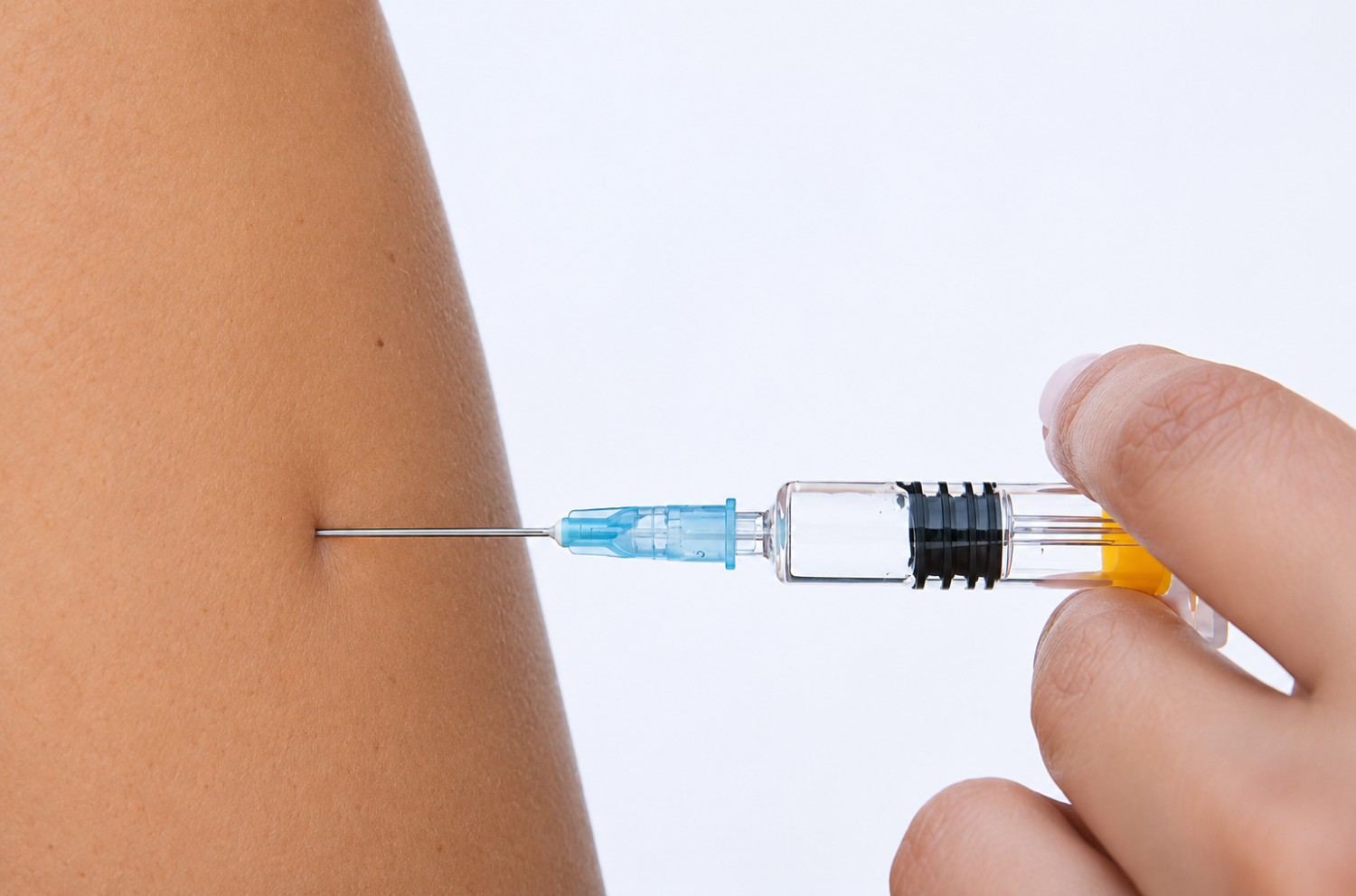
Tetanus may sound like a disease from the past. In reality, tetanus cases are still reported in Indonesia every year, including neonatal tetanus in newborns, which has a very high death rate.
The tetanus vaccine is one of the most proven vaccines in the world in terms of safety and effectiveness. Even so, its effectiveness depends heavily on keeping antibody levels protective through regularly scheduled boosters.
Read also: Stunting in Children: Signs, Causes, and How to Prevent It
This article therefore covers everything you need to know about Td and Tdap vaccines, from the diseases they prevent to the right schedule for each age group.
Understanding the Diseases Prevented: Tetanus, Diphtheria, and Pertussis
Td and Tdap vaccines are designed to protect the body against three equally dangerous diseases at once: tetanus, diphtheria, and pertussis.
Tetanus
Tetanus is caused by a toxin produced by the bacterium Clostridium tetani. This bacterium has a unique ability: it can form “sleeping seeds” or spores that are extremely durable and survive for years in soil, dust, animal faeces, and rusty metal.
Imagine these spores as seeds waiting for the right place to grow, and that place is a wound on the human body, even a small one. Once inside, the spores “wake up” and begin producing a very powerful toxin that attacks the nervous system, making muscles throughout the body stiff and causing very painful spasms.
As a real-life example, a farmer who steps on a rusty nail in a rice field, or someone injured while gardening without adequate immunisation, is at high risk of this condition.
One important thing sets tetanus apart from flu or coughs: tetanus does not spread from person to person. You will not catch it just by being near a patient, because the toxin enters through a wound, not through the air or touch. Fatal cases usually affect the most vulnerable groups: babies who are not yet immune, adults who forgot their booster, older people with weakened immunity, and people with dirty wounds who did not receive proper preventive treatment.
Diphtheria
Diphtheria is caused by the bacterium Corynebacterium diphtheriae, which causes a throat infection and the formation of a thick membrane that can block the airway. Furthermore, the diphtheria toxin does not only attack the throat; it can also spread through the bloodstream and cause serious damage to the heart and nerves.
Indonesia has experienced significant diphtheria outbreaks (KLB) in several provinces in recent years. This shows that the disease remains a real threat, which is why the diphtheria component is kept in combination vaccines such as Td and Tdap to ensure continuous protection throughout life.
Pertussis (Whooping Cough)
Pertussis, better known as whooping cough or the “hundred-day cough”, is caused by the bacterium Bordetella pertussis. Its hallmark is severe coughing fits that come one after another, often ending with a long “whoop” sound as the person breathes in.
This cough happens because the bacteria release a toxin that damages the lining of the airways, so the body is constantly pushed to cough and finds it hard to stop. Most worrying of all, pertussis is very dangerous and can be life-threatening, especially for babies under 6 months old. Often, the person who infects the baby is an adult at home who thinks they just have an “ordinary cough”. This is why protecting the people around a baby through vaccination is so important.
Vaccine Types: Td vs Tdap vs DTP
Vaccine names such as Td, Tdap, and DTP are often confusing because they look similar, but each letter has a specific meaning that shows the vaccine's components and intended users. Here is what each letter means:
- D/d: Diphtheria (capital D for the full dose for children; lowercase d for a smaller dose for adults)
- T: Tetanus
- P/p: Pertussis or whooping cough (capital P for the older version; lowercase p for the newer version with milder side effects)
- a: Indicates the modern, gentler pertussis version that rarely causes reactions
By understanding these letter codes, anyone can tell apart the three main types of vaccine available. DTP/DTaP is the basic vaccine for babies and children. It contains full-dose diphtheria and tetanus plus a whooping cough component, making it suitable for building immunity from an early age.
Td, meanwhile, contains only tetanus and diphtheria in adult doses. It is used as a booster every 10 years in adults, or as a preventive measure after a wound. Tdap is an adult booster that also adds protection against whooping cough, and is usually given once in place of one routine Td dose.
Immunisation Schedule: From Babies to Older Adults
The need for tetanus vaccination does not end in childhood; it continues throughout life. Here is the immunisation schedule for babies, adolescents, and adults who have never been vaccinated.
Basic Immunisation for Babies and Children
The DTP series is given in five doses designed to build immunity gradually from an early age. The full schedule is as follows:
- Dose 1: 2 months
- Dose 2: 3 or 4 months
- Dose 3: 4 or 6 months
- Dose 4 (first booster): 15 to 18 months
- Dose 5 (second booster): 4 to 6 years (before starting primary school)
Giving the doses step by step is deliberate, because a baby's immune system needs repeated exposure to form strong, long-lasting immune memory. In Indonesia, this schedule is integrated into the national immunisation programme and is available at Posyandu, Puskesmas, and hospitals, so parents can make sure their child receives full protection.
Boosters for Adolescents and Adults
After the basic series is complete, protection needs to be strengthened again in adolescence and maintained throughout adulthood. Tdap is given once at age 11 to 12, or at any time for adolescents and adults who have never received it, in place of one Td dose.
Td is then given as a booster every 10 years throughout life to maintain protection against tetanus and diphtheria. This matters because without boosters, protective antibody levels drop significantly after 10 years, leaving a person vulnerable again even if they were fully vaccinated as a child.
Adults Who Have Never Been Vaccinated or Are Incompletely Vaccinated
Many adults do not have clear childhood immunisation records, especially those born before immunisation programmes were expanded evenly.
If you have no clear immunisation history or never completed the primary series, your doctor will recommend a three-dose series: the first dose (dose 0), the second dose one month later, and the third dose 6 to 12 months after that. One of the three doses should be Tdap so that pertussis protection is also covered. It is never too late to start immunisation; consulting a doctor will help determine the best starting point for your situation.
Special Indication: Dirty Wound Protocol
Not all wounds carry the same tetanus risk, so management differs depending on the type of wound and immunisation history.
When someone has a wound at risk of tetanus, such as a puncture wound, dirty wound, bite, burn, or a wound exposed to soil, dust, or dirt, it must be assessed promptly to decide whether additional preventive treatment (prophylaxis) is needed. This decision depends on two main factors: the type of wound and the person's immunisation history.
1. Type of Wound
The first step is to determine the wound category, because the level of tetanus risk depends heavily on how clean or dirty the wound is:
- Clean, minor wound: low tetanus risk, for example a small, shallow, uncontaminated cut.
- Dirty wound (all other wounds): higher risk, including puncture wounds, wounds contaminated with soil, and wounds with dead tissue.
A puncture wound that looks small on the surface is often more dangerous, because bacteria can enter deep into tissue where there is no oxygen, and this oxygen-free environment is exactly where tetanus bacteria thrive. Never judge the risk only by how big the wound looks on the surface.
2. Immunisation History
Once the wound type is determined, the second factor is the person's tetanus immunisation history. The combination of these two factors is summarised in the following table as a decision guide:
|
Immunisation History |
Clean, Minor Wound |
Dirty Wound |
|---|---|---|
|
Complete primary series, last booster ≤5 years ago |
Not needed |
Not needed |
|
Complete primary series, last booster 5–10 years ago |
Not needed |
Give 1 dose of Td |
|
Complete primary series, last booster >10 years ago |
Give 1 dose of Td |
Give 1 dose of Td |
|
Incomplete or unknown immunisation |
Start/complete the series |
Start the series + consider TIG |
TIG (tetanus immunoglobulin) becomes important for severe dirty wounds when immunisation history is incomplete or unknown. Unlike a vaccine, which trains the body to make its own antibodies over several weeks, TIG provides ready-made antibodies immediately. Think of it as a temporary shield that protects right away while the vaccine builds a long-term line of defence.
Tdap Vaccine for Pregnant Women
Vaccination during pregnancy plays a special role that concerns not only the mother's health but is also the main protection for the baby before it can be vaccinated itself.
Tdap is recommended in every pregnancy, ideally between weeks 27 and 36, or in the third trimester. During this window, the mother's body has enough time to produce the maximum amount of antibodies before delivery.
The main reason for this vaccine is not only to protect the mother, but to protect the most vulnerable baby through the concept of “cocooning”. This protection works in two ways at once:
- When the mother is vaccinated, her body makes antibodies against whooping cough that pass through the placenta to the baby, so the baby is born with “protective supplies” for the first few months.
- Whooping cough is most dangerous in babies under 2 months old, before they receive their first DTP immunisation. These antibodies from the mother protect the baby during this most vulnerable period.
If the mother did not receive Tdap during pregnancy, the vaccine should still be given as soon as possible after delivery, ideally before leaving the hospital, so that the mother does not become a source of infection for her own baby.
Side Effects of Td/Tdap Vaccines
Td and Tdap vaccines are considered very safe and have been widely used for decades, although some mild side effects may occur, as follows.
Local Reactions
Local reactions are the most common side effects and are usually limited to the area around the injection site:
- Pain, redness, and swelling around the injection site. This is the most common complaint and is completely normal.
- In some people who have had many tetanus boosters, the swelling can spread more widely in the arm and usually resolves on its own within 1 to 2 weeks without special treatment.
These injection-site reactions are actually a good sign that the immune system is responding to the vaccine. A cold compress and gentle arm movement can help ease the discomfort.
Systemic Reactions
Besides local reactions, some people may experience mild systemic reactions such as low-grade fever, fatigue, or headache. These are usually short-lived and resolve within one to two days, so adequate rest and fever-reducing medicine if needed are usually enough.
Serious Reactions (Very Rare)
Serious reactions are very rare but still important to recognise. They include severe allergic reactions or anaphylaxis, which can cause shortness of breath and a drop in blood pressure. This is why vaccine recipients are asked to wait 15 to 30 minutes after the injection so medical staff can act immediately if something happens. The protective benefits of this vaccine far outweigh the risk of possible side effects.
Who Should Not Receive This Vaccine?
Although Td and Tdap vaccines are safe for almost everyone, there are some special conditions to note as contraindications:
- A previous severe allergic reaction or anaphylaxis to a Td or Tdap vaccine.
- Severe brain disorder (encephalopathy) within 7 days after a previous DTP injection. In this case, the whooping cough component in particular should be avoided.
- Currently having a high fever. This is not a permanent restriction; it only means vaccination should be postponed until the body recovers.
In addition, if you have ever had Guillain-Barré syndrome within 6 weeks after a previous tetanus injection, consult a doctor before receiving the next dose. Anyone with one of the conditions above is strongly advised to be assessed directly by a doctor so that the vaccination decision is made safely and appropriately.
When Should You See a Doctor?
See a doctor promptly if you have a dirty wound, a deep puncture wound, a bite, or a wound exposed to soil or rusty metal. Early assessment is very important to determine whether you need an additional dose of Td or TIG.
Also watch for specific signs such as a stiff jaw that is hard to open, painful muscle spasms, difficulty swallowing, or fever after an injury. If you are pregnant, consult your doctor promptly about your Tdap schedule so your baby is protected from the womb.
Read also: Measles Immunisation: Schedule, Benefits, and Side Effects
Don't delay checking your immunisation status, especially if it has been more than 10 years since your last booster. Book a check-up via WhatsApp Tzu Chi Hospital or find the right doctor through Find a Doctor. Vaccination services at Tzu Chi Hospital are available for all age groups and can be accessed with BPJS Kesehatan, insurance, or self-pay.
This article has been reviewed by Dr. Sayuri Suwandi, Sp.PD, FINASIM
References
- WHO. (2018). Tetanus vaccines: WHO position paper – February 2017. Weekly Epidemiological Record, 93(6), 53–76.
- CDC. (2024). Tetanus vaccination: What everyone should know. CDC.gov.
- Kemenkes RI. (2022). Jadwal Imunisasi Dewasa Indonesia. Direktorat Pengelolaan Imunisasi, Kemenkes RI.
- Havers, F.P., et al. (2020). Use of tetanus toxoid, reduced diphtheria toxoid, and acellular pertussis vaccines: Updated recommendations of the Advisory Committee on Immunization Practices. MMWR Recommendations and Reports, 69(3), 1–14.
- Pertiwi, P.A., et al. (2019). Maternal Tdap vaccination in Indonesia: Coverage and effectiveness. Vaccine, 37(42), 6235–6241.
Topic