Health
Five Facts About HMPV You Need to Know!

Written By
Admin • 29 April 2025
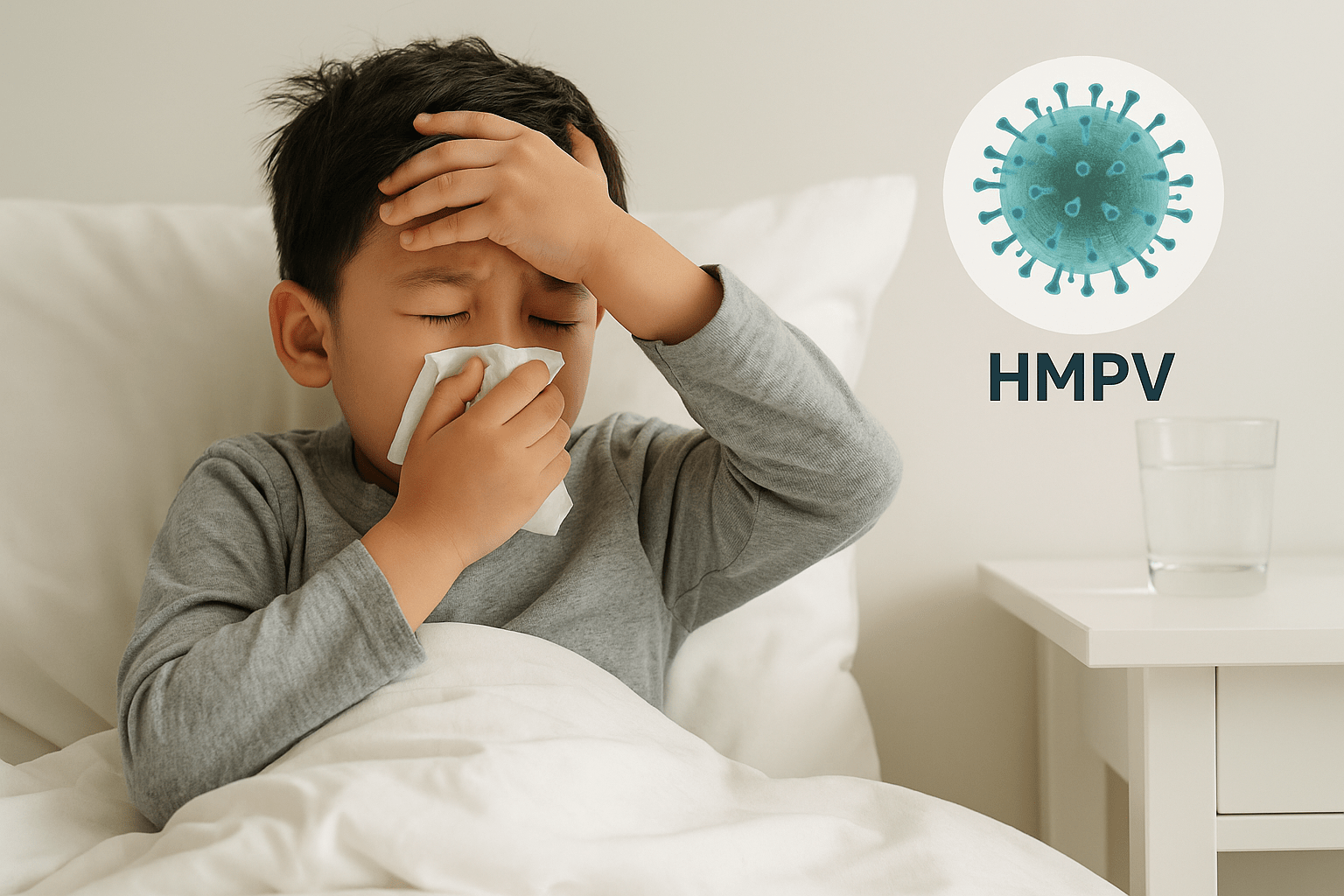
At the beginning of 2025, Indonesians were alarmed by reports of the HMPV virus, or human metapneumovirus, spreading in China. Although HMPV is not a new virus, it is still important to remain vigilant by seeking accurate information about it.
Here are some key facts about HMPV that are essential to know:
-
HMPV was identified in 2001
HMPV was discovered in 2001 and belongs to the Pneumoviridae family, which includes viruses that infect the respiratory tract. HMPV can cause acute respiratory infections (ARI).
-
HMPV symptoms resemble the flu
The illness caused by HMPV infection is often referred to as Influenza-Like Illness because it exhibits symptoms similar to the common flu, such as coughing, runny nose, sore throat, and nasal congestion. Most people recover on their own without special treatment.
-
HMPV spreads through droplets
People infected with HMPV can transmit the virus through droplets released during coughing, talking, or sneezing. Physical contact with an infected person or touching surfaces contaminated with the virus and then touching the face can also increase the risk of infection.
-
Children are more vulnerable to HMPV
While people of all ages are at risk of contracting HMPV, children and the elderly are known to be more susceptible or may experience more severe symptoms. Individuals with underlying health conditions that weaken the immune system should also be cautious about this virus.
-
A healthy lifestyle is key to preventing HMPV
Although there is no vaccine for HMPV, adopting a healthy lifestyle—such as maintaining a balanced diet, getting enough rest, avoiding stress, and washing hands regularly—can help strengthen the immune system. A strong immune system reduces vulnerability to HMPV.
Raising awareness about disease outbreaks is crucial, but it is equally important to stay calm and avoid excessive worry. If you notice or experience suspicious symptoms, contact the Tzu Chi Hospital call center immediately to receive prompt medical care.
This article has been medically reviewed by Dr. Ronald Irwanto Natadidjaja, Sp.PD, Subsp.PTI (K), FINASIM.