

Pencegahan & Deteksi Dini Penyakit
Normal Cholesterol Levels: LDL, HDL, and Triglyceride Chart

Written By
Admin • 10 November 2026
Normal Cholesterol Levels: LDL, HDL, and Triglyceride Chart
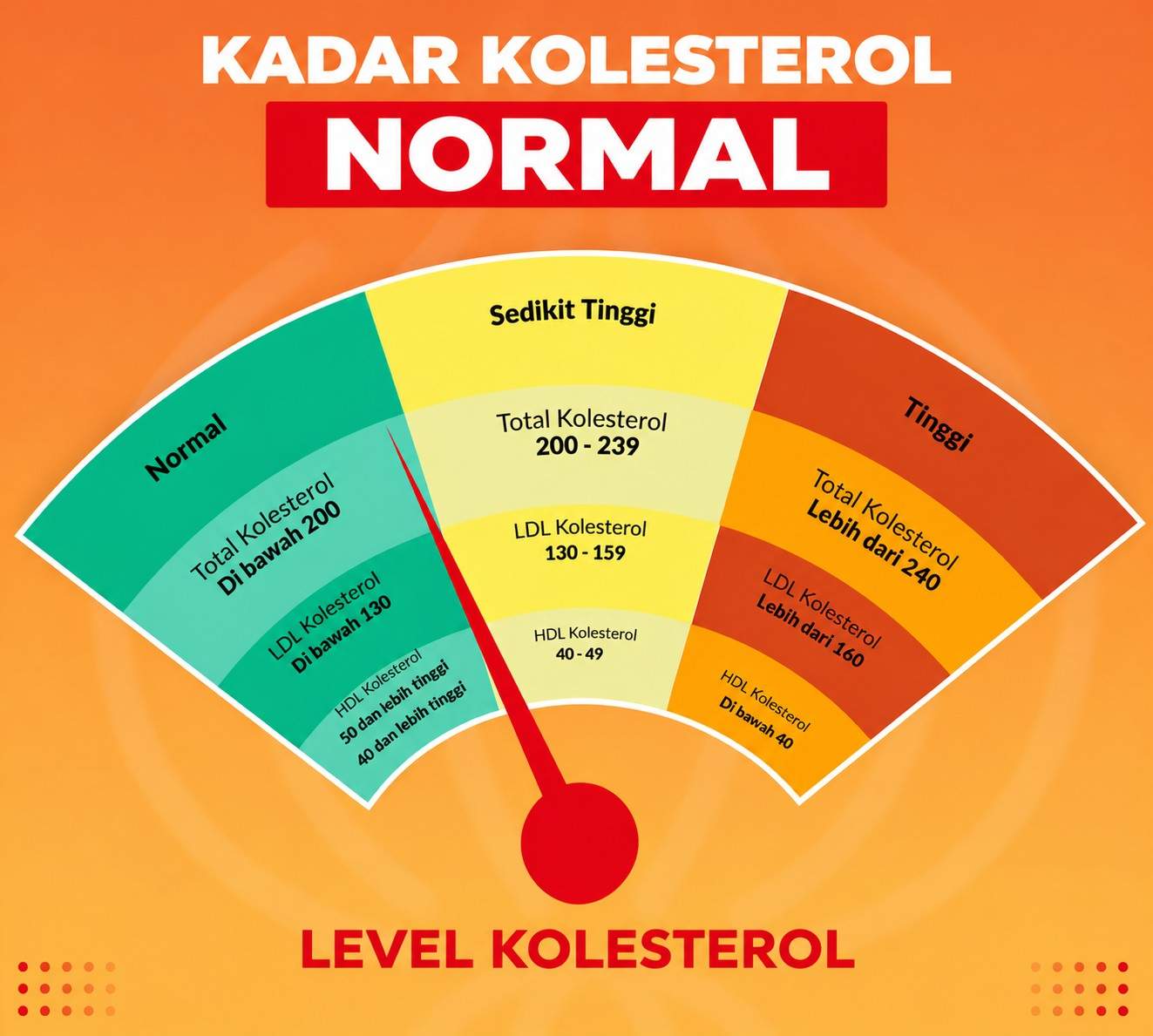
Normal cholesterol levels in adults generally include total cholesterol below 200 mg/dL, LDL cholesterol below 100 mg/dL, HDL cholesterol of at least 40 mg/dL for men and 50 mg/dL for women, and triglycerides below 150 mg/dL. However, individual LDL cholesterol targets may vary depending on the risk of cardiovascular disease.
Cholesterol test results can often be confusing because they include several different measurements. This guide explains how to interpret each component of a lipid profile, understand cholesterol level categories, learn why LDL targets vary between individuals, and maintain healthy cholesterol levels.
Understanding the Components of a Cholesterol Test
A complete cholesterol test, also known as a lipid profile, typically includes four main components:
-
Total cholesterol: The total amount of cholesterol in the blood.
-
LDL cholesterol (low-density lipoprotein): Often called "bad cholesterol" because it can accumulate in blood vessel walls and contribute to plaque formation.
-
HDL cholesterol (high-density lipoprotein): Commonly known as "good cholesterol" because it helps transport excess cholesterol back to the liver.
-
Triglycerides: A type of fat that stores excess energy obtained from food.
Some laboratories also report non-HDL cholesterol, which is calculated by subtracting HDL cholesterol from total cholesterol. This measurement reflects cholesterol carried by lipoproteins that can contribute to plaque buildup in blood vessels.
Normal Cholesterol Levels in Adults: Reference Chart
| Component | Desirable Level | Borderline High | High |
|---|---|---|---|
| Total Cholesterol | Below 200 mg/dL | 200–239 mg/dL | 240 mg/dL or higher |
| LDL Cholesterol | Below 100 mg/dL (optimal); 100–129 mg/dL (near optimal) | 130–159 mg/dL | 160–189 mg/dL (high); 190 mg/dL or higher (very high) |
| HDL Cholesterol | 40 mg/dL or higher (men); 50 mg/dL or higher (women) | — | Below these levels is considered low |
| Triglycerides | Below 150 mg/dL | 150–199 mg/dL | 200–499 mg/dL (high); 500 mg/dL or higher (very high) |
Reference ranges may vary slightly between laboratories. Always compare your results with the reference intervals provided on your laboratory report and discuss them with your doctor.
Why Do LDL Cholesterol Targets Differ Between Individuals?
Recommended LDL cholesterol levels depend on a person's cardiovascular risk, including the likelihood of experiencing a heart attack or stroke.
For individuals at low cardiovascular risk, an LDL cholesterol level below 100 mg/dL is often considered optimal.
However, people at high or very high cardiovascular risk, such as those with diabetes, chronic kidney disease, or a history of heart attack or stroke, may require lower LDL targets.
Depending on individual risk, a doctor may recommend LDL cholesterol levels below 70 mg/dL or even below 55 mg/dL, in accordance with the 2021 Indonesian Dyslipidemia Management Guidelines.
Therefore, a cholesterol result marked as "normal" on a laboratory report may not necessarily represent the appropriate treatment target for everyone.
What If Your LDL Cholesterol Is Very High?
An LDL cholesterol level of 190 mg/dL or higher in adults may raise suspicion of familial hypercholesterolemia, an inherited condition that causes high cholesterol levels from an early age.
This condition may require further medical evaluation and cholesterol screening for family members.
What If Your Triglyceride Levels Are Very High?
Triglyceride levels of 500 mg/dL or higher require medical evaluation and appropriate management.
Very high triglyceride levels increase the risk of pancreatitis, an inflammation of the pancreas, particularly when levels become significantly elevated.
Normal Cholesterol Levels in Children and Adolescents
For children and adolescents up to 19 years old, recommended cholesterol levels are generally lower than those for adults.
Desirable levels include:
-
Total cholesterol: Below 170 mg/dL.
-
LDL cholesterol: Below 110 mg/dL.
Total cholesterol levels between 170–199 mg/dL are considered borderline high, while levels of 200 mg/dL or higher are classified as high.
Children's cholesterol test results should be interpreted with the guidance of a pediatrician.
Factors That Affect Cholesterol Levels
Cholesterol levels are influenced by a combination of lifestyle habits, underlying health conditions, and factors that cannot be changed.
These include:
-
A diet high in saturated fat, including fried foods, rich coconut milk dishes, organ meats, and fatty cuts of meat.
-
Physical inactivity and excess body weight, which may negatively affect cholesterol levels.
-
Smoking, which can reduce HDL cholesterol.
-
High consumption of sugar, sugary beverages, and alcohol, which particularly contributes to elevated triglycerides.
-
Genetic factors, including inherited cholesterol disorders.
-
Aging and hormonal changes, particularly after menopause.
-
Medical conditions, such as diabetes, hypothyroidism, and kidney disease, as well as certain medications.
Understanding these factors can help you identify appropriate steps to maintain healthier cholesterol levels.
How to Maintain Normal Cholesterol Levels
1. Choose Healthier Fats
Reduce your intake of saturated fats from fried foods, rich coconut milk dishes, butter, organ meats, and chicken skin.
Replace them with sources of unsaturated fats, such as:
-
Fish.
-
Avocados.
-
Nuts.
-
Olive oil.
-
Canola oil.
Consume these foods in appropriate portions as part of a balanced diet.
2. Increase Your Fiber Intake
Vegetables, fruits, oats, legumes, and whole grains contain dietary fiber that supports cardiovascular health.
Soluble fiber, in particular, can help lower LDL cholesterol levels.
Including fiber-rich foods in your daily meals is a practical way to improve your cholesterol profile.
3. Limit Sugar and Alcohol Consumption
Sugary beverages, foods high in added sugar, refined carbohydrates, and alcoholic drinks can increase triglyceride levels.
Choose water as your primary everyday beverage and limit foods and drinks containing excessive added sugar.
4. Stay Physically Active
Regular moderate-intensity physical activity, such as brisk walking, cycling, or swimming, can help increase HDL cholesterol and lower triglyceride levels.
Aim to stay active on most days of the week.
Choose activities appropriate for your age, physical condition, and medical needs.
5. Maintain a Healthy Weight and Quit Smoking
Losing excess body weight can improve your overall lipid profile.
Quitting smoking may help increase HDL cholesterol while protecting blood vessels and reducing cardiovascular risk.
Maintaining a healthy weight, staying physically active, and avoiding tobacco are important parts of long-term heart health.
6. Check Your Cholesterol Regularly
High cholesterol usually does not cause noticeable symptoms.
Therefore, a blood test is the most reliable way to determine whether your cholesterol levels are within the recommended range.
Healthy adults may undergo cholesterol screening every 4–6 years.
However, individuals with cardiovascular risk factors may require more frequent testing, depending on their doctor's recommendations.
When Does High Cholesterol Require Medication?
Treatment for high cholesterol generally involves lifestyle modifications and, when medically indicated, cholesterol-lowering medication.
For individuals at high cardiovascular risk, those with a history of atherosclerotic cardiovascular disease, such as a heart attack or stroke caused by blocked arteries, or those with very high LDL cholesterol levels, doctors may prescribe medications such as statins alongside lifestyle changes.
Cholesterol-lowering medications should be taken according to your doctor's instructions and monitored regularly.
Do not start, change, or stop cholesterol medication without consulting your doctor.
Frequently Asked Questions About Normal Cholesterol Levels
1. What Are Normal Cholesterol Levels by Age?
For children and adolescents up to 19 years old, desirable total cholesterol levels are below 170 mg/dL.
For adults, total cholesterol levels below 200 mg/dL are generally considered desirable.
In older adults, the same general reference values are commonly used. However, individual LDL cholesterol targets depend more strongly on cardiovascular risk than age alone.
2. Is Higher HDL Cholesterol Always Better?
In general, higher HDL cholesterol levels are associated with a lower risk of cardiovascular disease.
However, having high HDL cholesterol does not cancel out the risks associated with elevated LDL cholesterol.
Therefore, maintaining LDL cholesterol within an appropriate target range remains important.
3. Is a Total Cholesterol Level of 210 mg/dL Dangerous?
A total cholesterol level between 200–239 mg/dL is classified as borderline high.
A result of 210 mg/dL should therefore be evaluated in the context of other lipid measurements, including LDL, HDL, and triglycerides.
Other cardiovascular risk factors, such as blood pressure, blood glucose levels, and smoking habits, should also be considered.
4. Can Slim People Have High Cholesterol?
Yes. High cholesterol can affect people regardless of body weight.
Cholesterol levels are influenced by genetics, dietary habits, physical activity, and underlying medical conditions.
Therefore, cholesterol screening may still be recommended even if you have an ideal body weight.
5. Do You Need to Fast Before a Cholesterol Test?
Not always.
Many cholesterol tests can now be performed without fasting.
However, your doctor may recommend fasting for approximately 9–12 hours, particularly when triglyceride levels need to be evaluated more accurately.
Follow the instructions provided by your doctor or laboratory before undergoing testing.
When Should You Consult a Doctor?
Consult a doctor about your cholesterol test results if:
-
Your total cholesterol, LDL cholesterol, or triglyceride levels are higher than recommended.
-
Your HDL cholesterol is below the desirable range.
-
Your LDL cholesterol reaches 190 mg/dL or higher, or your triglyceride level reaches 500 mg/dL or higher.
-
You have diabetes, hypertension, kidney disease, or a history of heart disease or stroke.
-
A family member has experienced a heart attack or stroke at a young age.
-
You are already taking cholesterol-lowering medication and need to determine whether your treatment targets have been achieved.
Find a doctor specializing in internal medicine or cardiology at Tzu Chi Hospital to help interpret your cholesterol test results and determine the appropriate targets based on your cardiovascular risk.
You can also schedule a consultation through Tzu Chi Hospital WhatsApp or contact our Call Center at 021 5095 0888.
Medically reviewed by the Tzu Chi Hospital Medical Team.
Related Articles
Topic